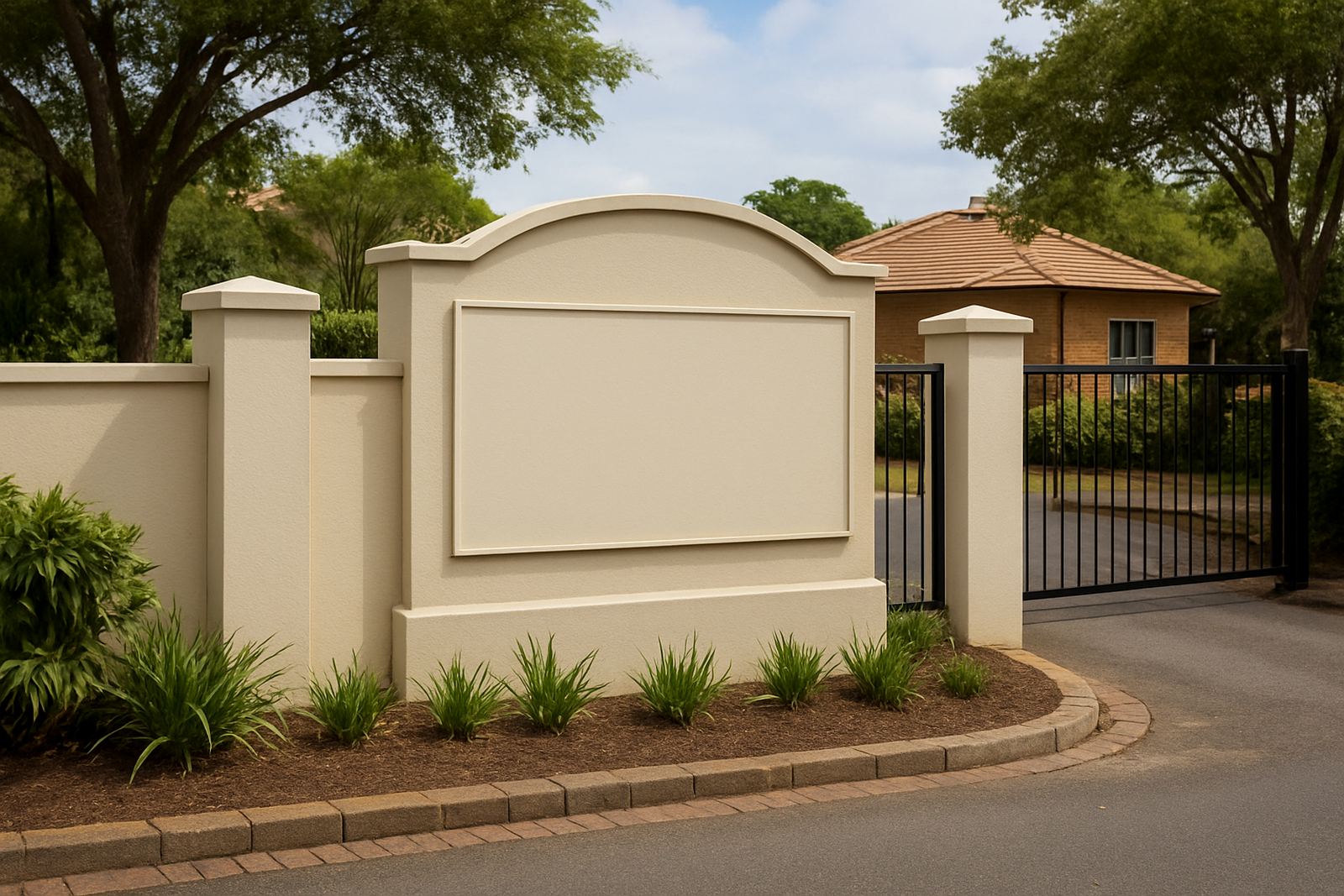
Estate entrances that are easy to find and hard to miss
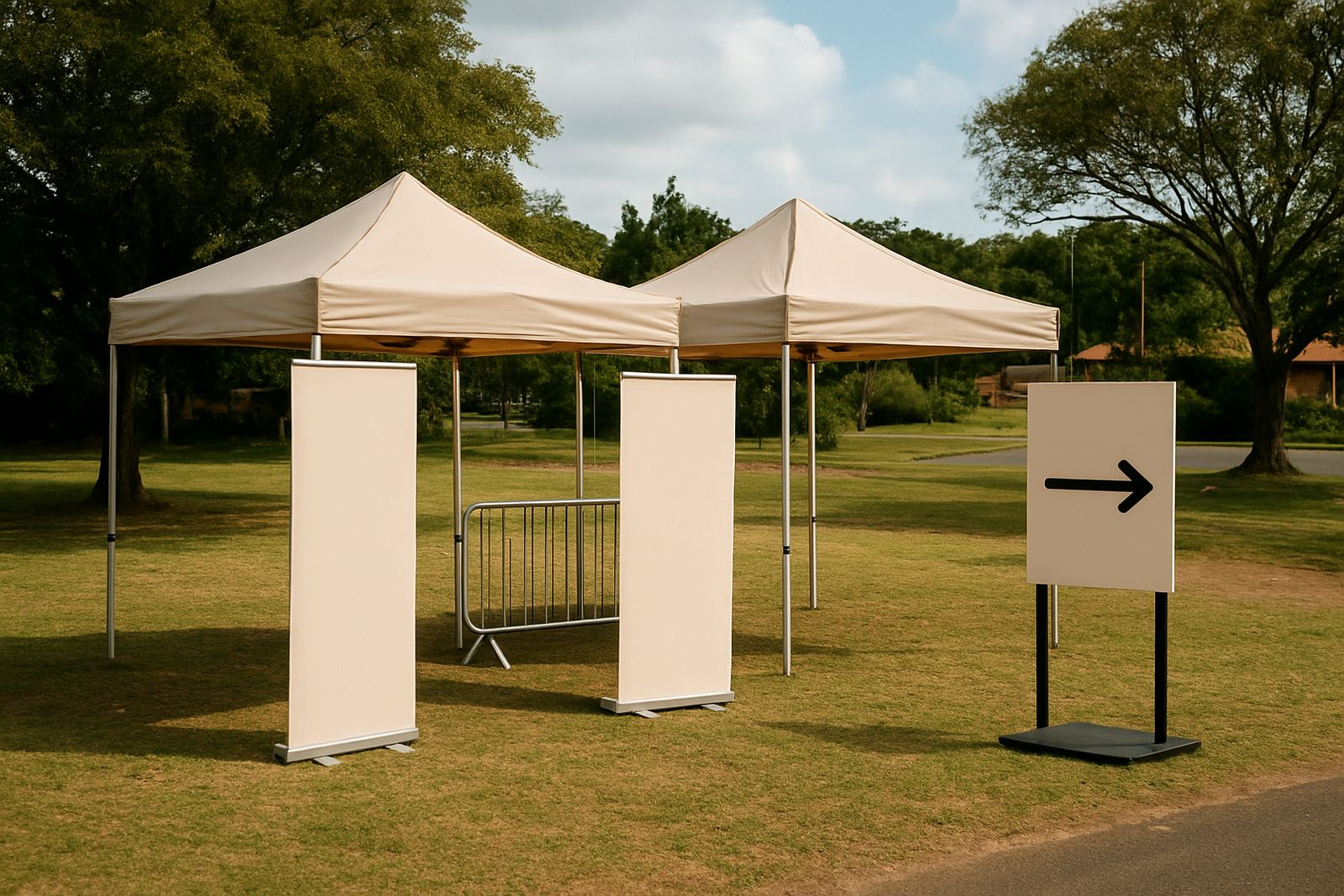
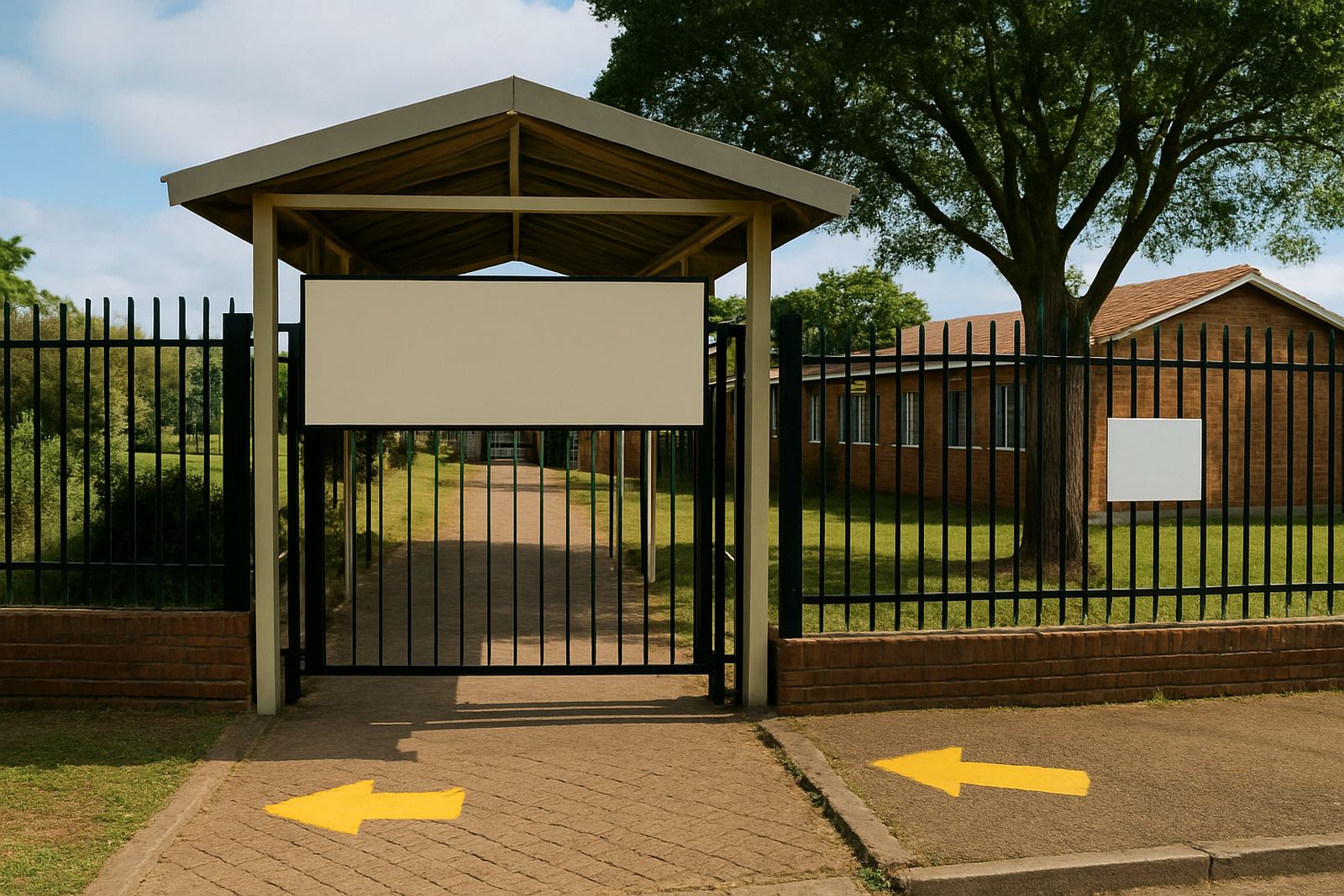
Directional signs keep traffic moving and reduce questions at the gate. In estates with multiple phases, visitor parking, staff access, bin stores and shared facilities, clear direction boards are far cheaper than repeated calls to security. We plan these signs from the point of entry inward so visitors are not forced to reverse or make U turns inside narrow roads.
Layouts are usually designed to match the estate’s road naming and numbering system. That includes unit ranges, blocks, cluster names and arrows for clubhouses, play areas or maintenance yards. If the estate has tight security protocols, the wording can be kept simple and formal, such as Visitor Parking, Delivery Bay, Reception, No Entry or Residents Only. It saves confusion and it looks tidier too.
- Directional arrows at split roads and intersections
- Parking and access control signs for visitors, residents and contractors
- Internal wayfinding boards for phases, blocks and amenities
- Reflective or high contrast finishes for low light conditions
Rules boards that look neat and are easy to read
Rules boards are common in estates, townhouse complexes and sectional title developments. These boards must be readable from a short distance and placed where people naturally stop, such as guardhouses, lift lobbies, clubhouse entries and pool areas. The challenge is to fit enough information on the board without making it crowded. That usually means short headings, clear spacing and a sensible font size rather than long blocks of text.
We often recommend separating permanent rules from changing notices. Permanent items like speed limits, parking rules, pet policies and noise restrictions can be mounted on a fixed board. Temporary notices, for example maintenance visits or water restrictions, can be handled on a smaller removable insert panel. This keeps the main sign clean and avoids a patchwork of old notices sticking up everywhere.
- By-law and rules boards for entrances, lifts, lobbies and common areas
- Maintenance notice boards with changeable inserts
- Safety and emergency instruction signs for generators, pools and stairwells
- Durable prints with lamination for easier cleaning and longer life
The usual material set for a coastal estate
Most estate signage jobs use a mix of fabricated and printed components. For the main face, Chromadek is common where a painted steel look is needed, while Perspex suits cleaner modern lettering and layered effects. ABS is useful for shaped panels and smaller direction markers. Vinyl cutting works well for crisp lettering on flat surfaces, and digital printing is used when the sign needs logos, gradients or detailed maps.
Lighting is chosen carefully on estates because power availability and operating hours matter. Some entrances use simple external flood lighting, while others need light boxes for better night visibility during load-shedding. If the estate is near the sea, fastener choice and bracket protection matter as much as the face panel. Salt air can damage fittings quicker than the sign itself if the metalwork is not specified correctly.
Typical equipment and finishes include:
- Large format printing for maps, rules boards and branded panels
- Vinyl cutting for lettering, numbering and simple directional marks
- Print lamination for UV protection and easier maintenance
- Fabricated frames, stand-offs and powder-coated or painted brackets
- Window frosting or contra-vision for guardhouses and office glazing
Planning advice before you approve the drawings
The best estate signs are planned with the road layout, security process and municipal limits in mind. Before approving artwork, check where the sign will sit relative to gates, sight lines, road bends and pedestrian routes. A sign can be beautifully made but still fail if it is hidden by trees, set too high, or placed where headlights wash it out at night.
It also helps to confirm who will approve what. Many estates need sign-off from trustees, managing agents, architects and security managers, and sometimes the municipality if the sign projects over a boundary or includes lighting. If the estate has a uniform design language, keep the fonts, colours and panel shapes consistent so the site does not end up with three different styles over time.
- Confirm exact wording, spelling and unit numbering before print
- Measure sight lines from vehicle entry points and pedestrian routes
- Allow for future phases, new blocks or temporary access changes
- Check if any sign needs permits, easements or estate committee approval
Common mistakes that cost estates extra money
The most common mistake is making the entrance sign too small for the road. The second is overloading rules boards with too much text, which makes them hard to read and easy to ignore. Another frequent issue is mixing materials that age at different rates. For example, a printed panel may still look good while the surrounding frame has rust spots or faded paint, so the whole sign starts looking tired.
We also see estates spend money on a new board before sorting out the wording. That leads to expensive reprints when the rules change or a phase name is corrected. On the installation side, poor wall preparation, weak anchors and thin posts can cause movement in high wind, especially in exposed areas near the coast. It is better to spend a bit more on proper fixing at the start than to repair a leaning sign after the first storm.
- Wrong scale for the road distance or gate setback
- Too much text on one board and no clear hierarchy
- Inconsistent colours, fonts and sign sizes across the estate
- Poor fixing details that fail in wind, rain or coastal conditions
Budget ranges for estate signage in Rand
Estate signage budgets vary a lot depending on size, lighting, finishes and installation difficulty. A small rules board or directional sign may start from around R1 500 to R4 500. Mid-size internal direction sets and branded entrance panels often fall between R8 000 and R25 000. A full entrance monument with fabrication, installation and lighting can range from about R35 000 to R120 000 or more, especially where groundwork, electrical connections or custom metalwork are involved.
For larger estates, it is often smarter to phase the project. Start with the entrance, then add directional boards, then rules boards and wayfinding at the clubhouse or security office. This spreads the cost and lets the estate test the first signs before ordering the rest. It also helps when trustees need a realistic year-end budget rather than one large payment in a single month.
Our team in Briardene handles site surveys, artwork setup, fabrication and installation for estates in Durban North, Umhlanga, Pinetown, Westville, Phoenix, Verulam, Tongaat and Ballito. Clients usually reach us through the enquiry form on our contact page, and we can then plan the right sign set for the property size and access control needs.