


What You Will Find in the Sign Journal
This journal covers the day to day questions we hear from business owners, site managers and anyone pricing signage for a shop, office, warehouse or vehicle. You will find clear notes on what different sign types do, how they hold up in Durban weather, and what to think about before you place an order.
The aim is to help you compare options properly. A light box is not the same as a flat panel, and window frosting is not the same as contra-vision film. The right choice depends on where the sign will sit, how far away people will read it, and whether it must cope with coastal humidity, sun exposure or regular after hours visibility.
- Indoor and outdoor sign material guides
- Advice for retail fronts, offices and industrial sites
- Notes on measuring, artwork and approvals
- Installation planning for Durban rain and load-shedding
How to Choose the Right Sign for Your Site
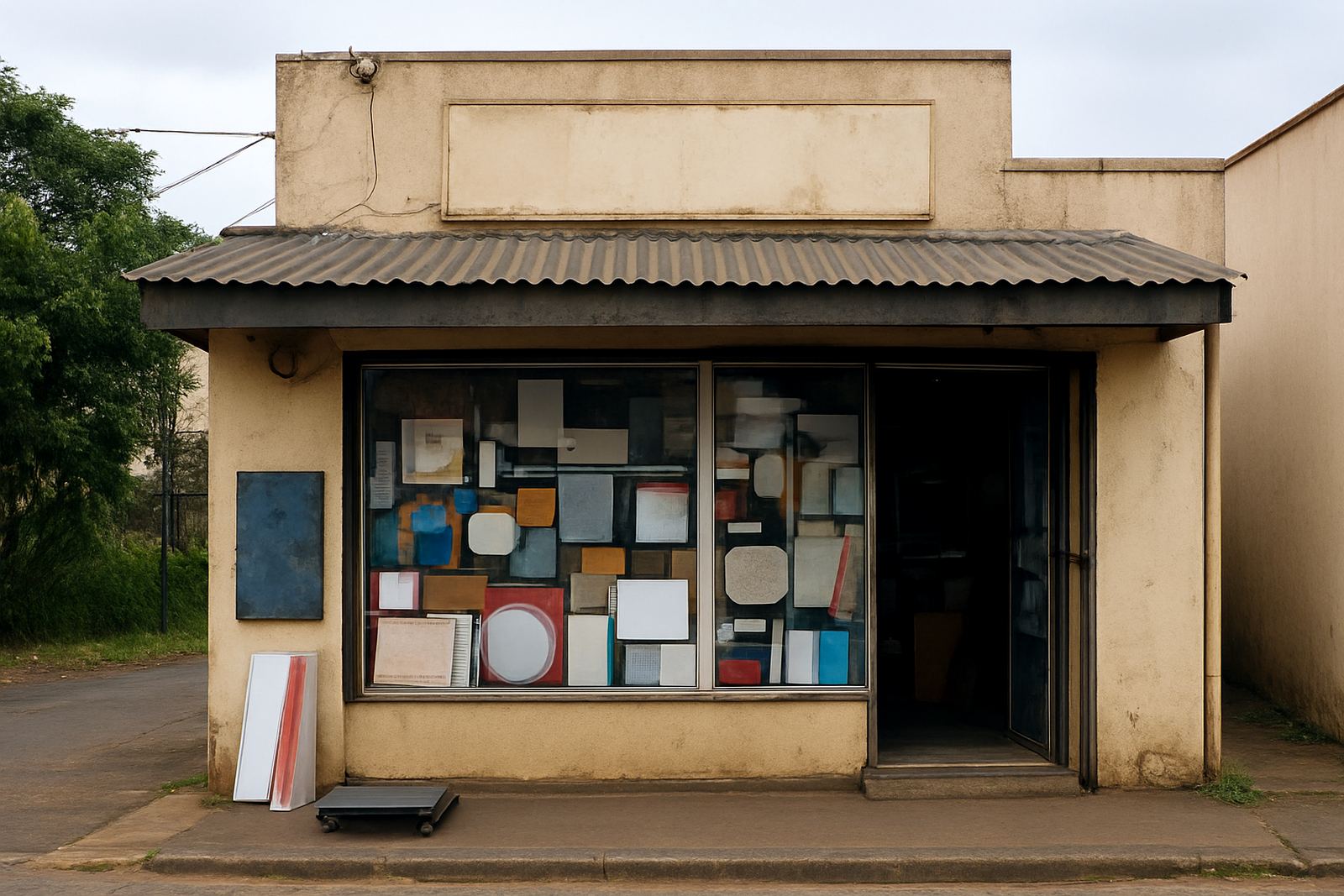
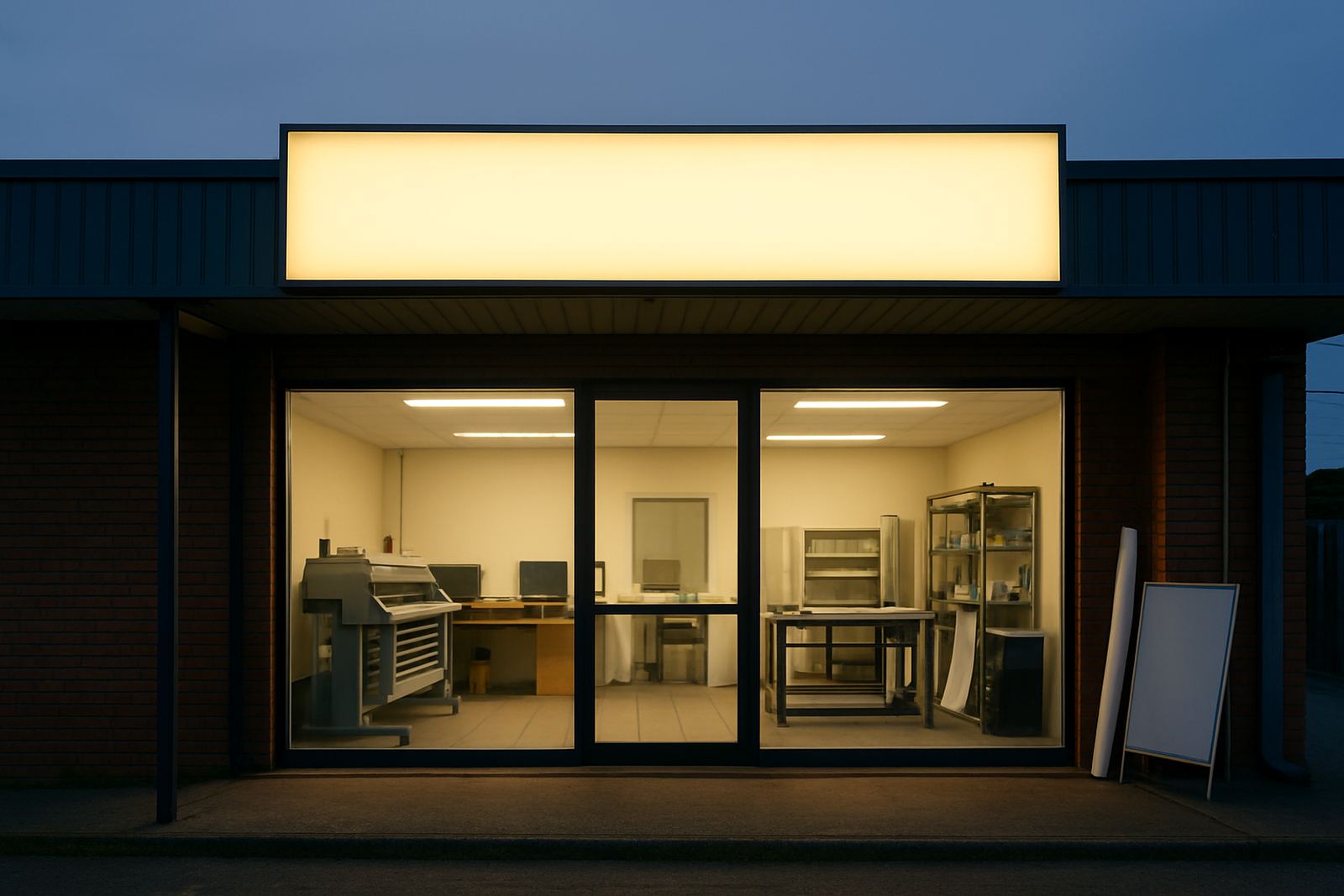
Choosing signage starts with the site itself. A small reception area needs different treatment from a roadside shopfront in Umhlanga or a factory entrance in Pinetown. You need to think about viewing distance, mounting surface, and whether the sign must be seen in daylight only or after dark too.
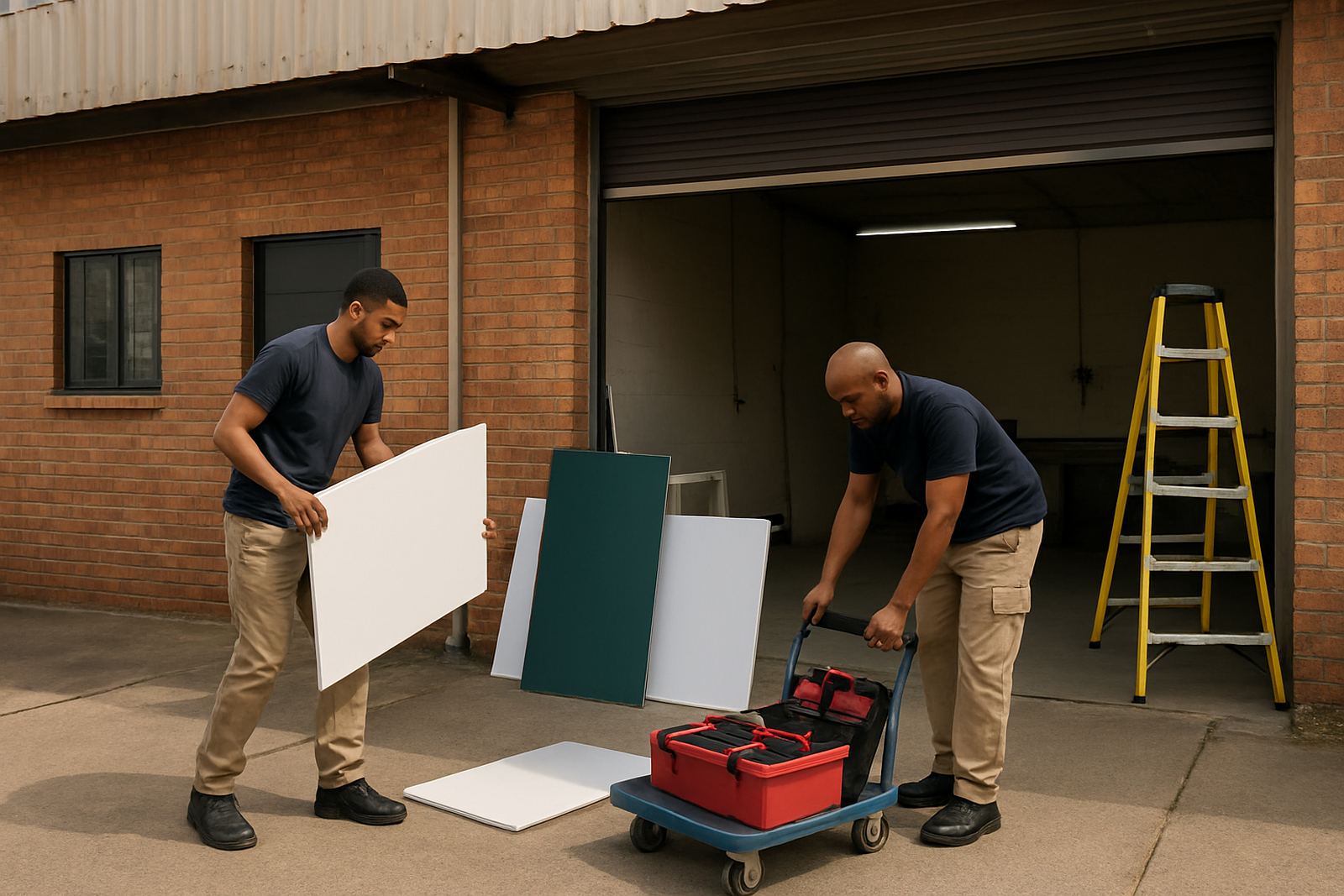
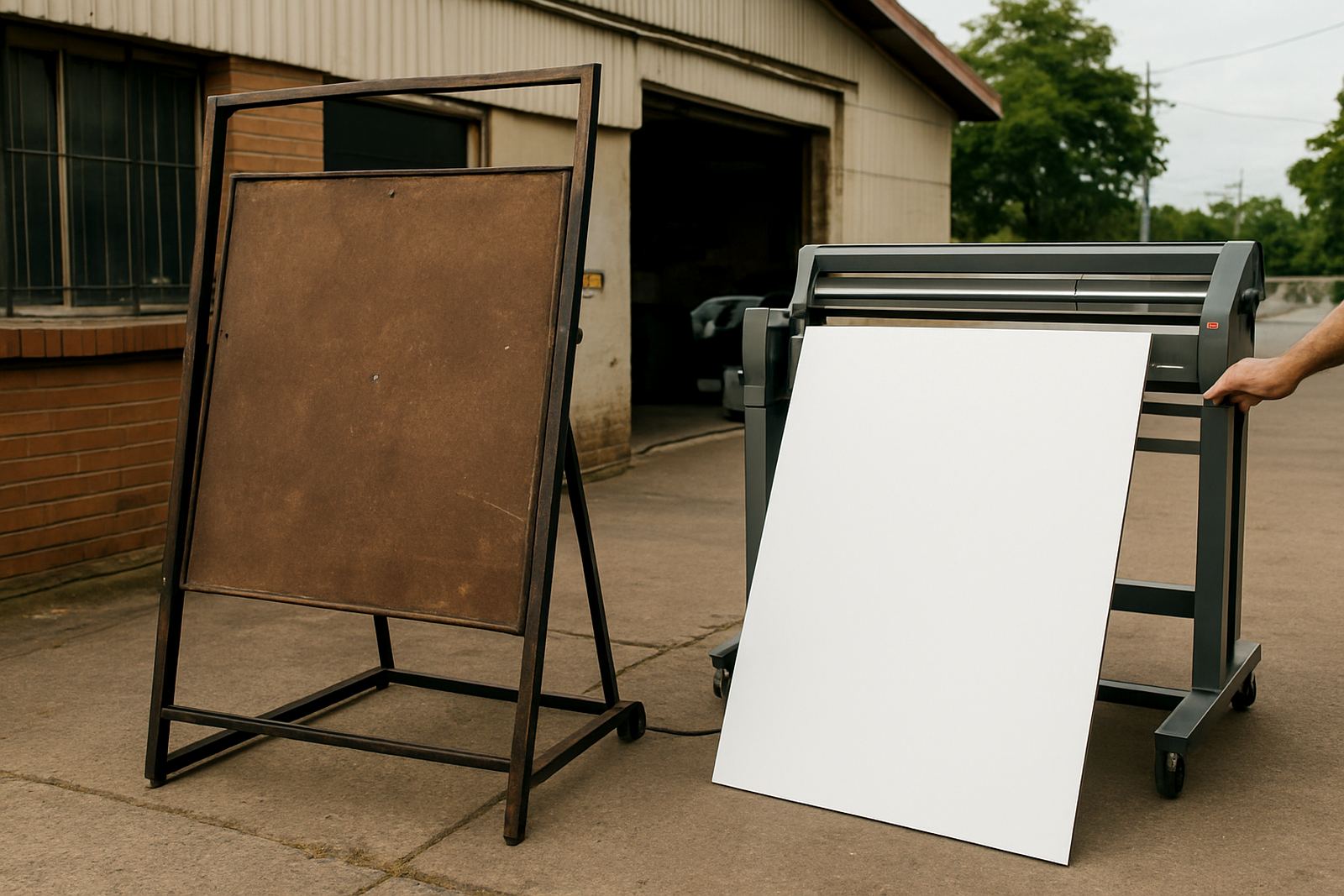
For some businesses, vinyl cutting and window graphics are enough. Others need large format printing on a rigid board, chromadek for durability, or a light box for better visibility in low light. If the area gets a lot of wind or salt air, material choice matters even more. A sign that looks good on day one should still hold its shape and colour after months of weather.
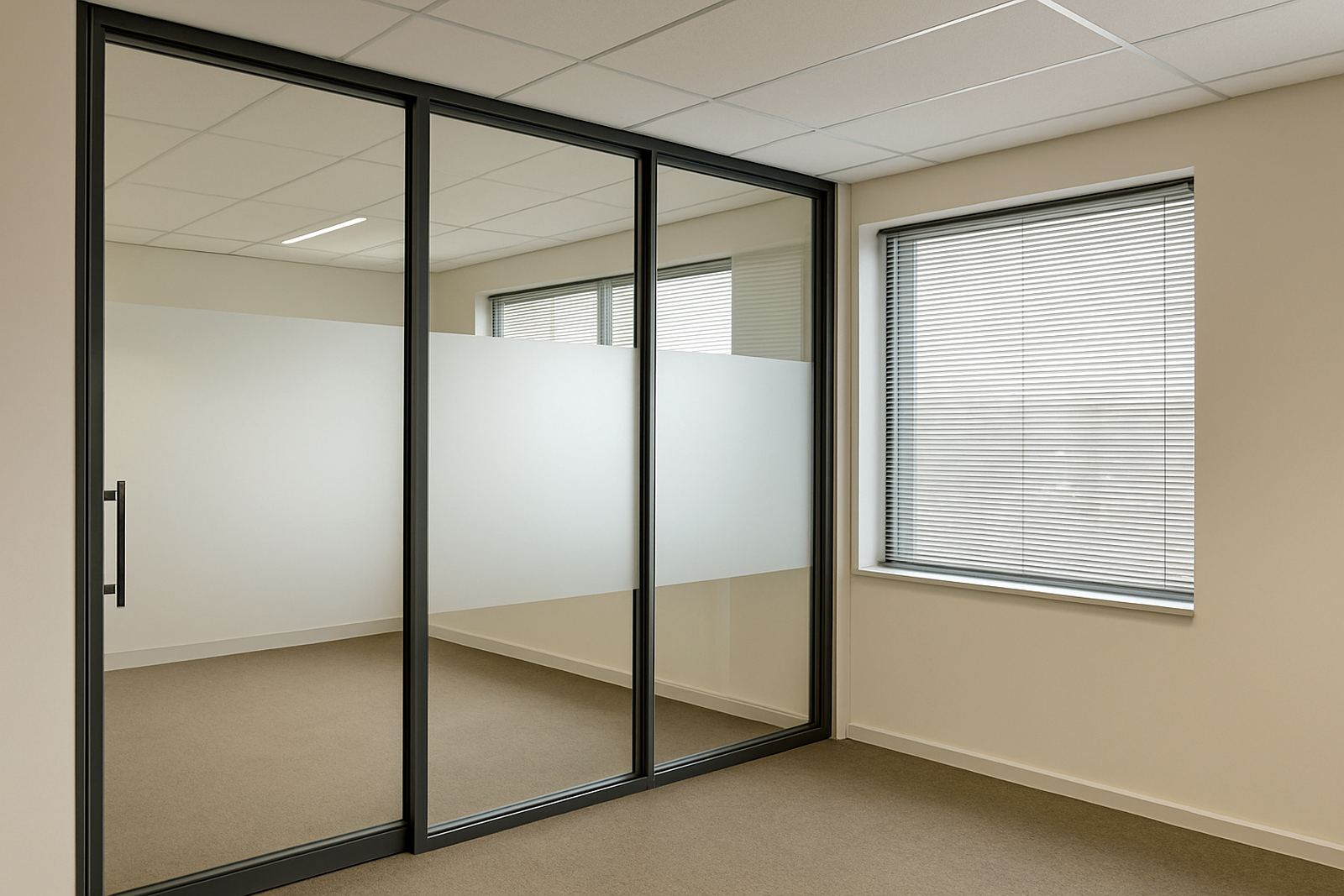
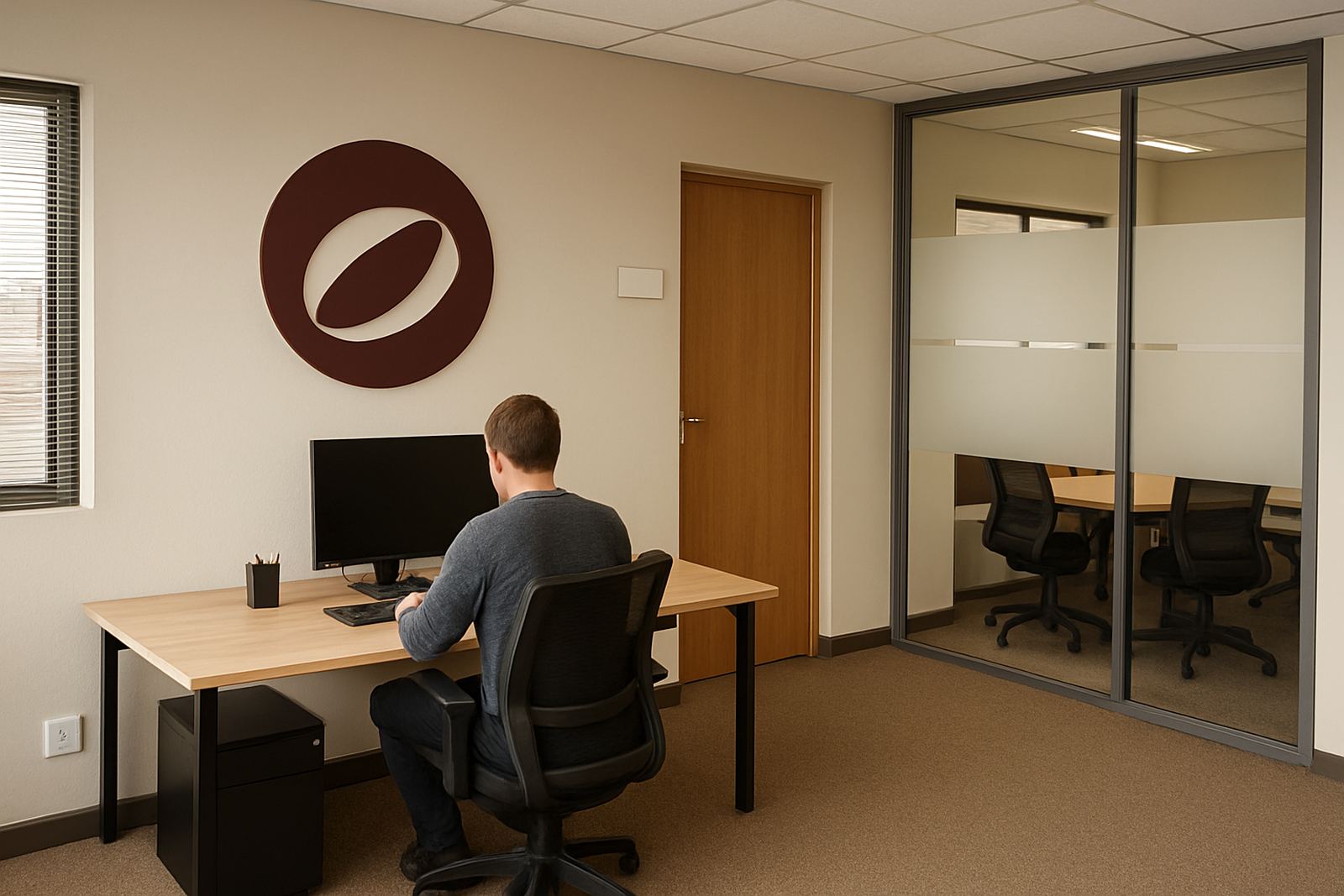
- Short viewing distance: vinyl lettering, frosting or printed panels
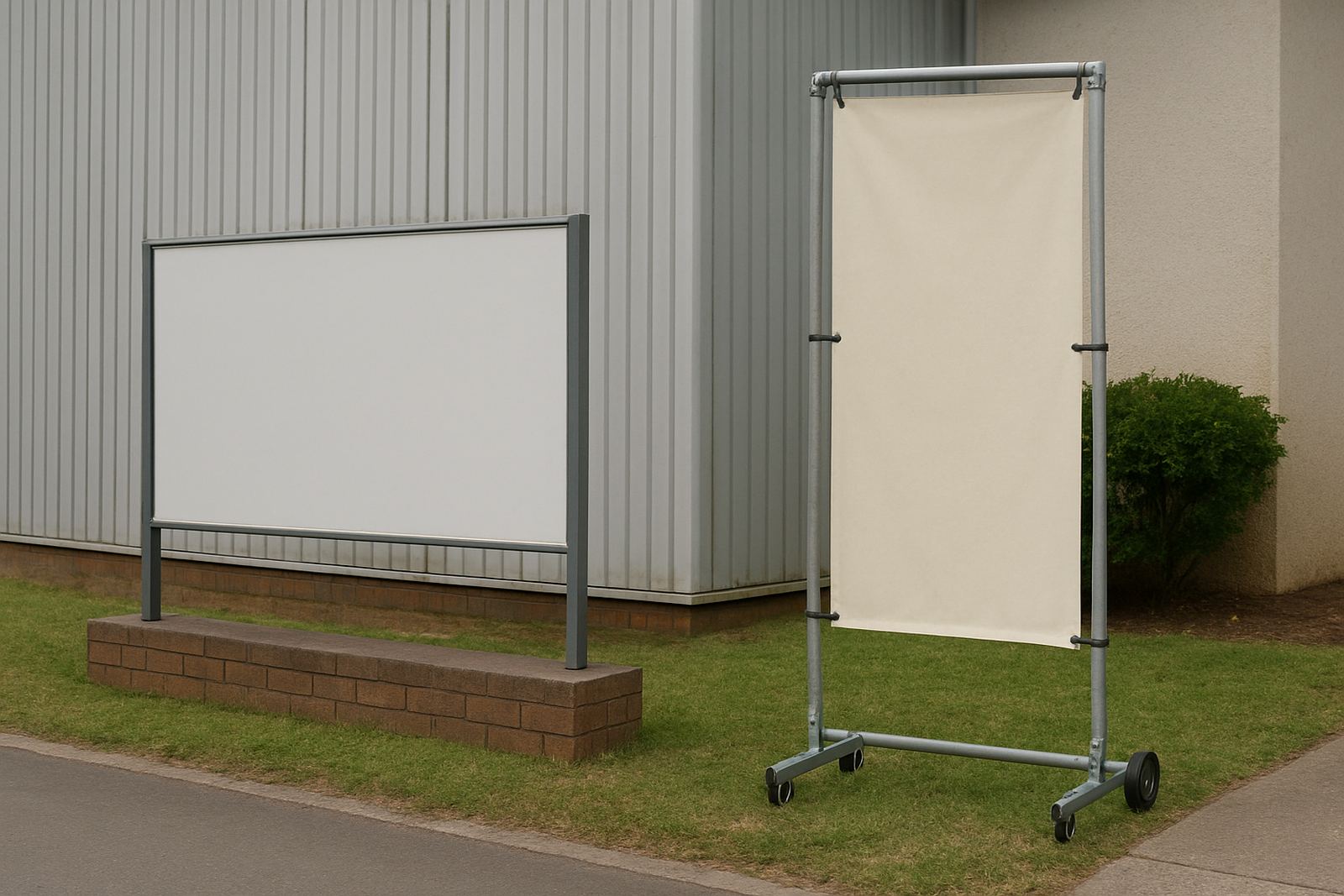
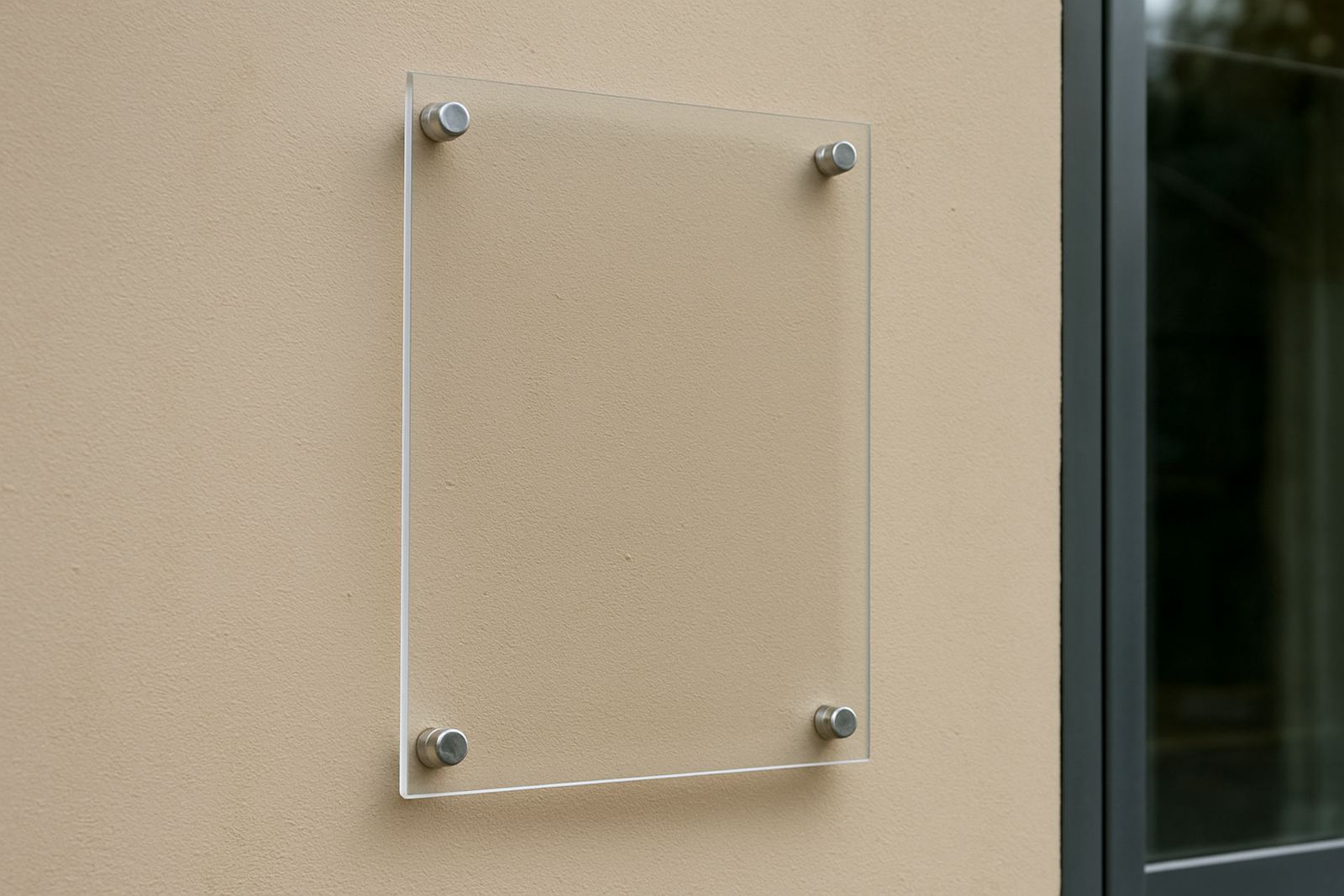
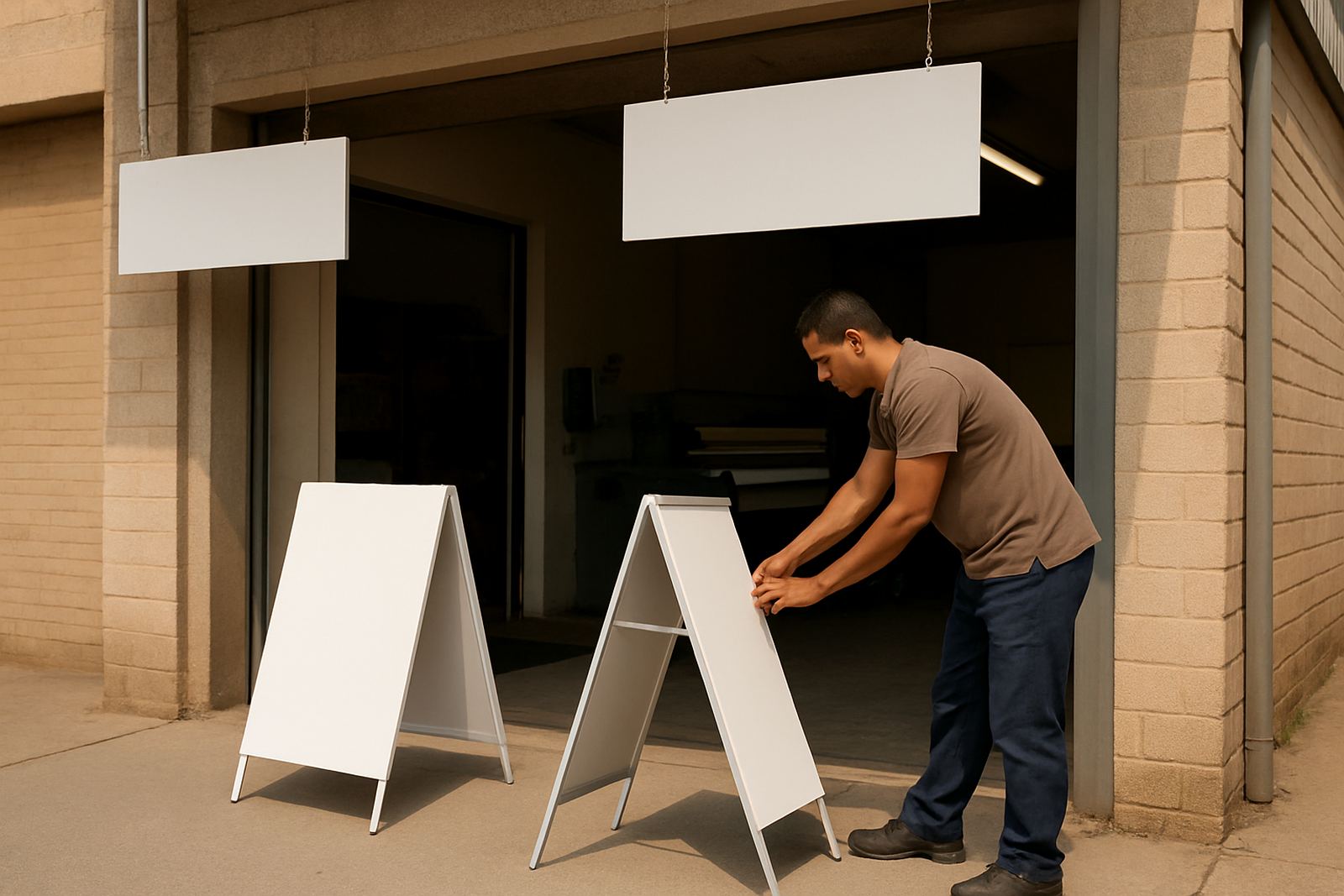
- Medium distance: Perspex, ABS or flat board signage
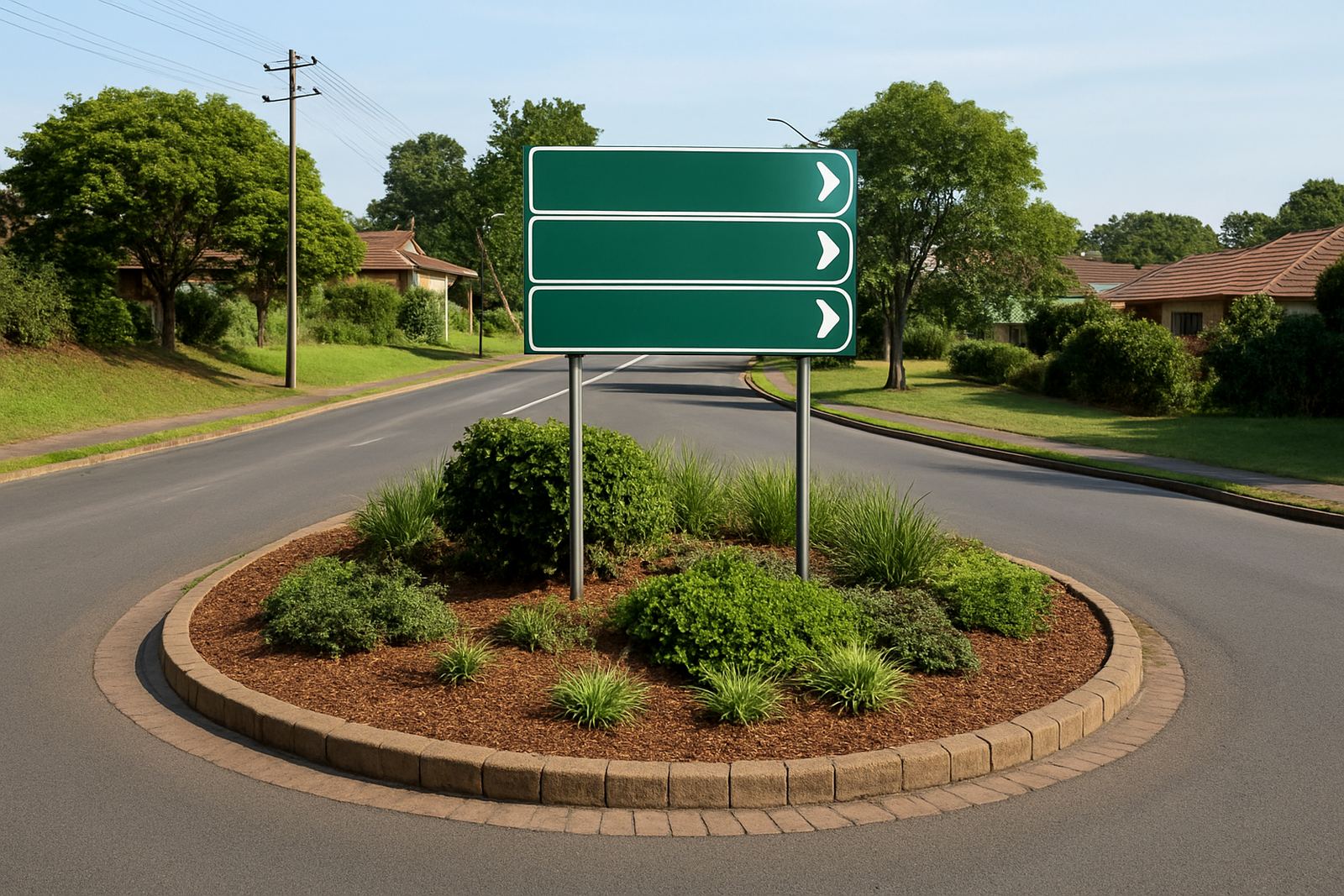
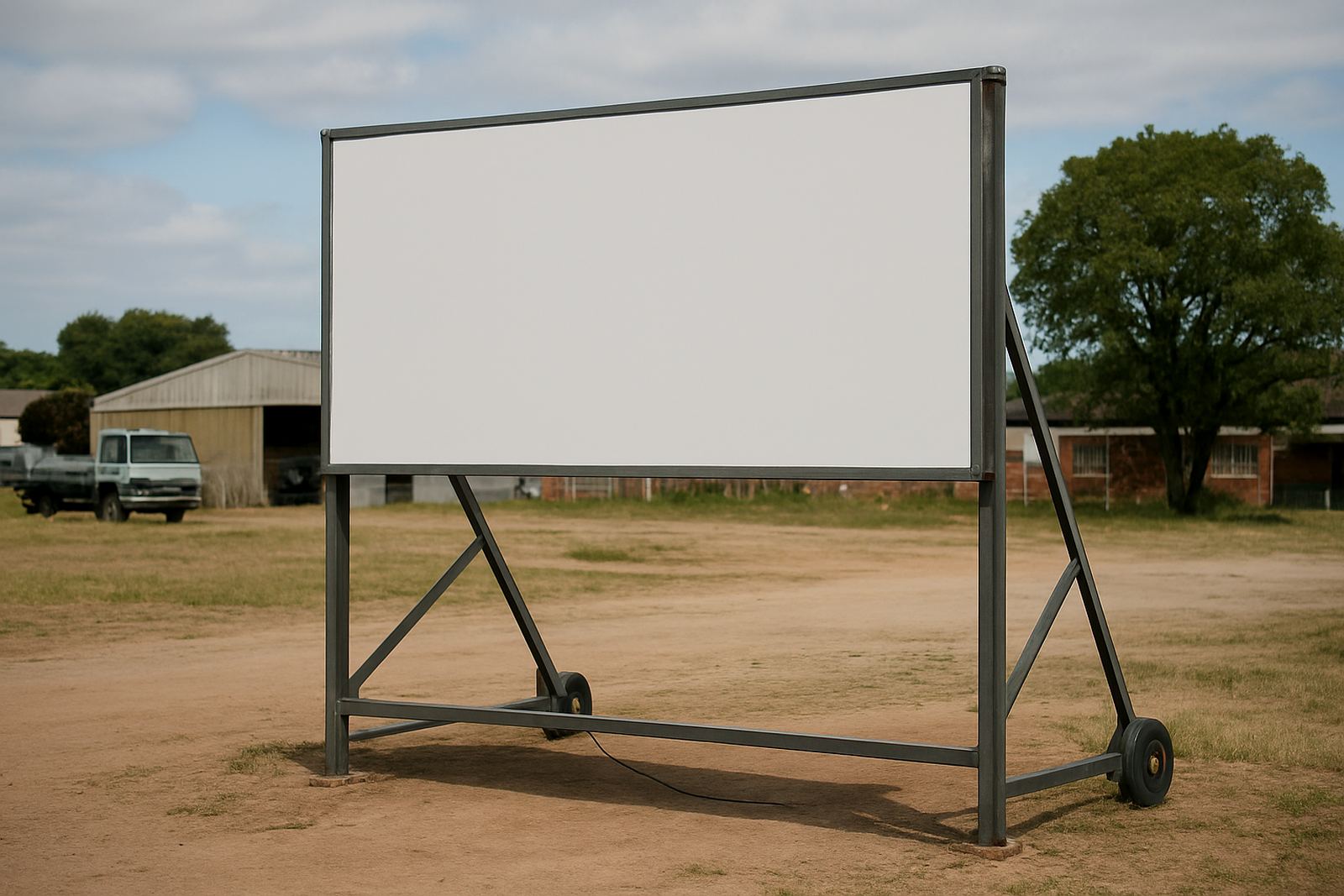
- Roadside visibility: light boxes, larger lettering and stronger contrast
- High moisture areas: weather suitable fixings and sealed edges
Planning for Durban Conditions and Municipal Rules
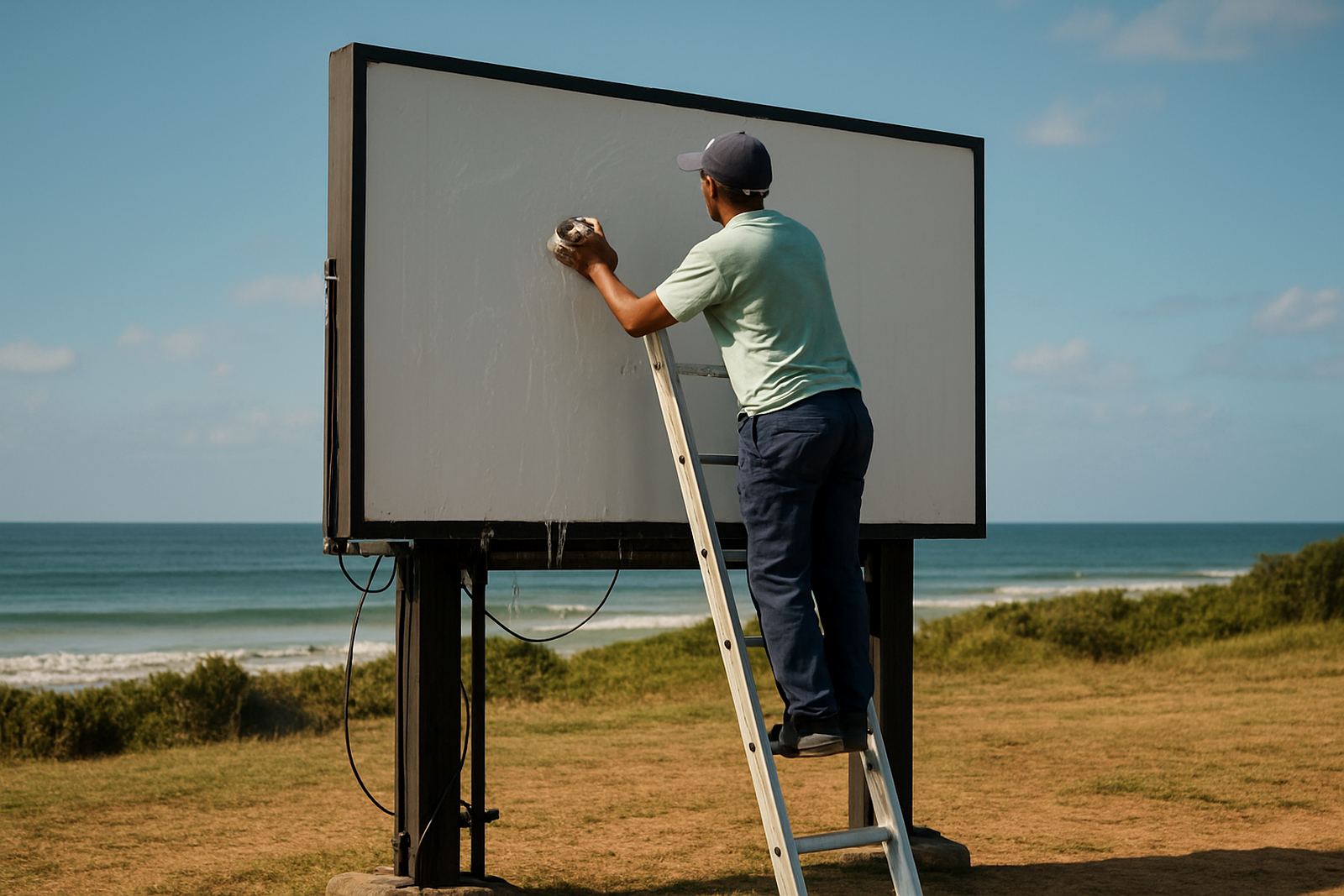
Durban conditions can be tough on signs. Strong sun, coastal moisture and sudden rain all affect print life and fixings. In some areas, power interruptions also change how illuminated signage performs, so it helps to ask whether the sign will still read well without internal lighting. If your site is near busy roads or in a centre with landlord rules, you may also need approval before fabrication begins.
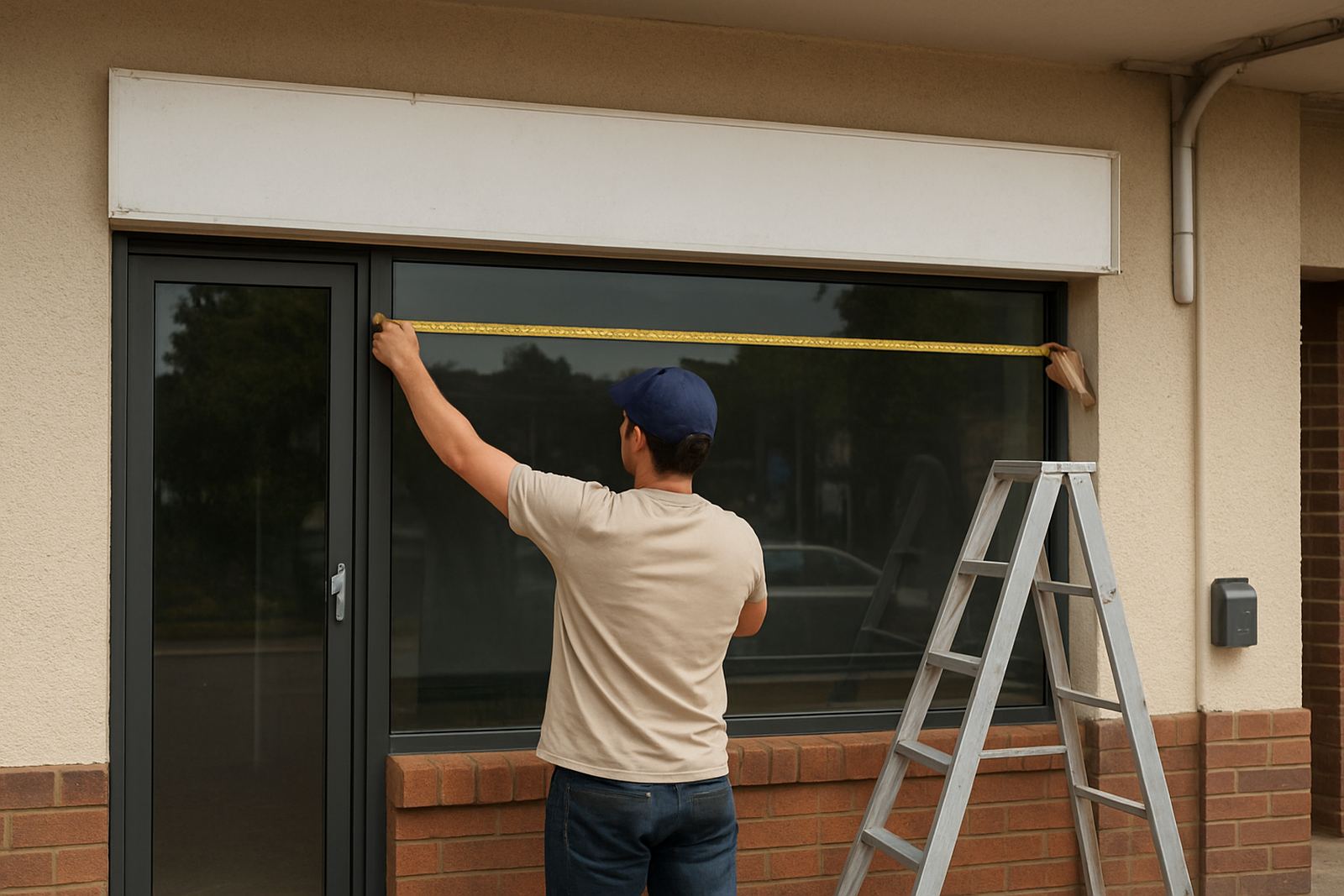
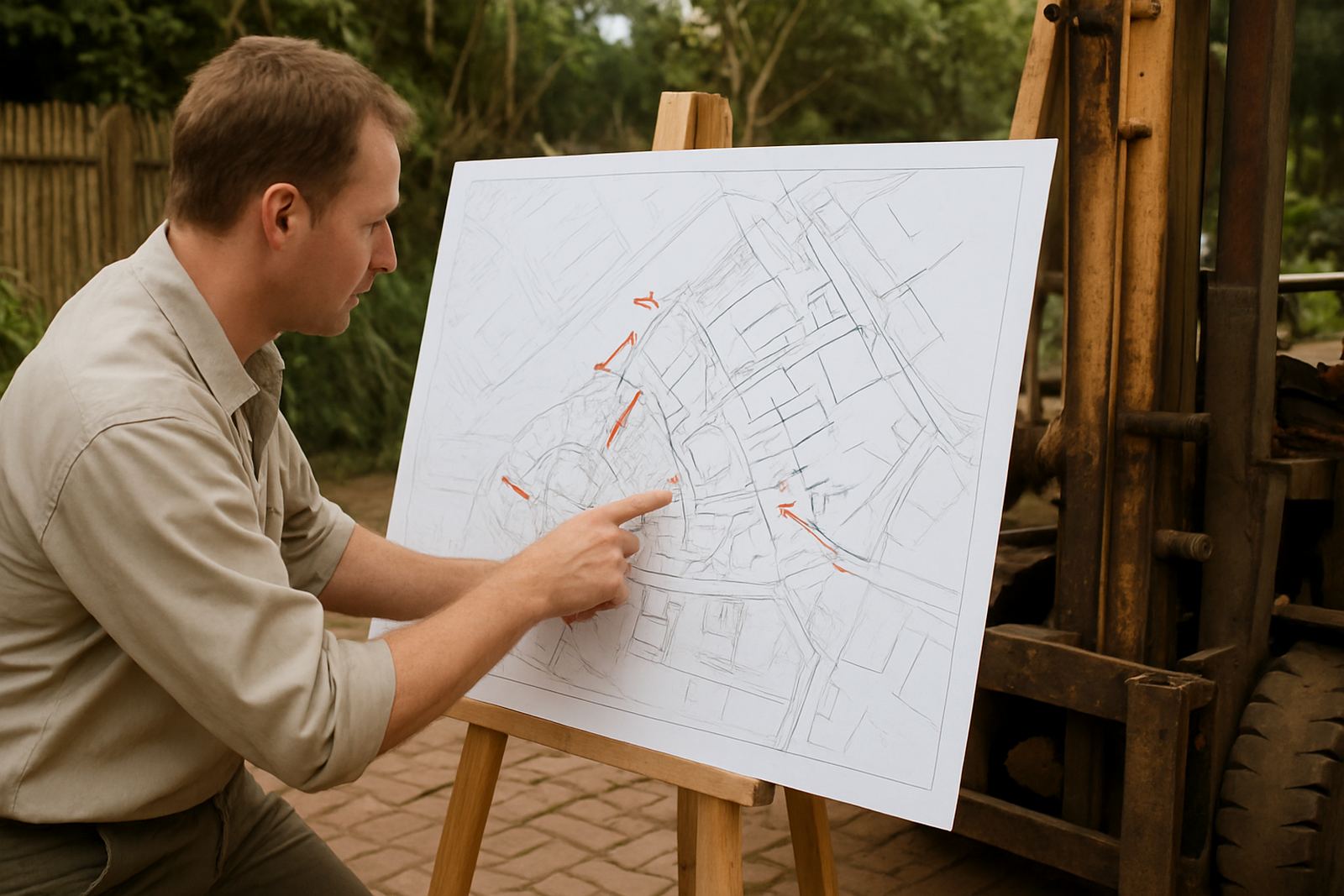
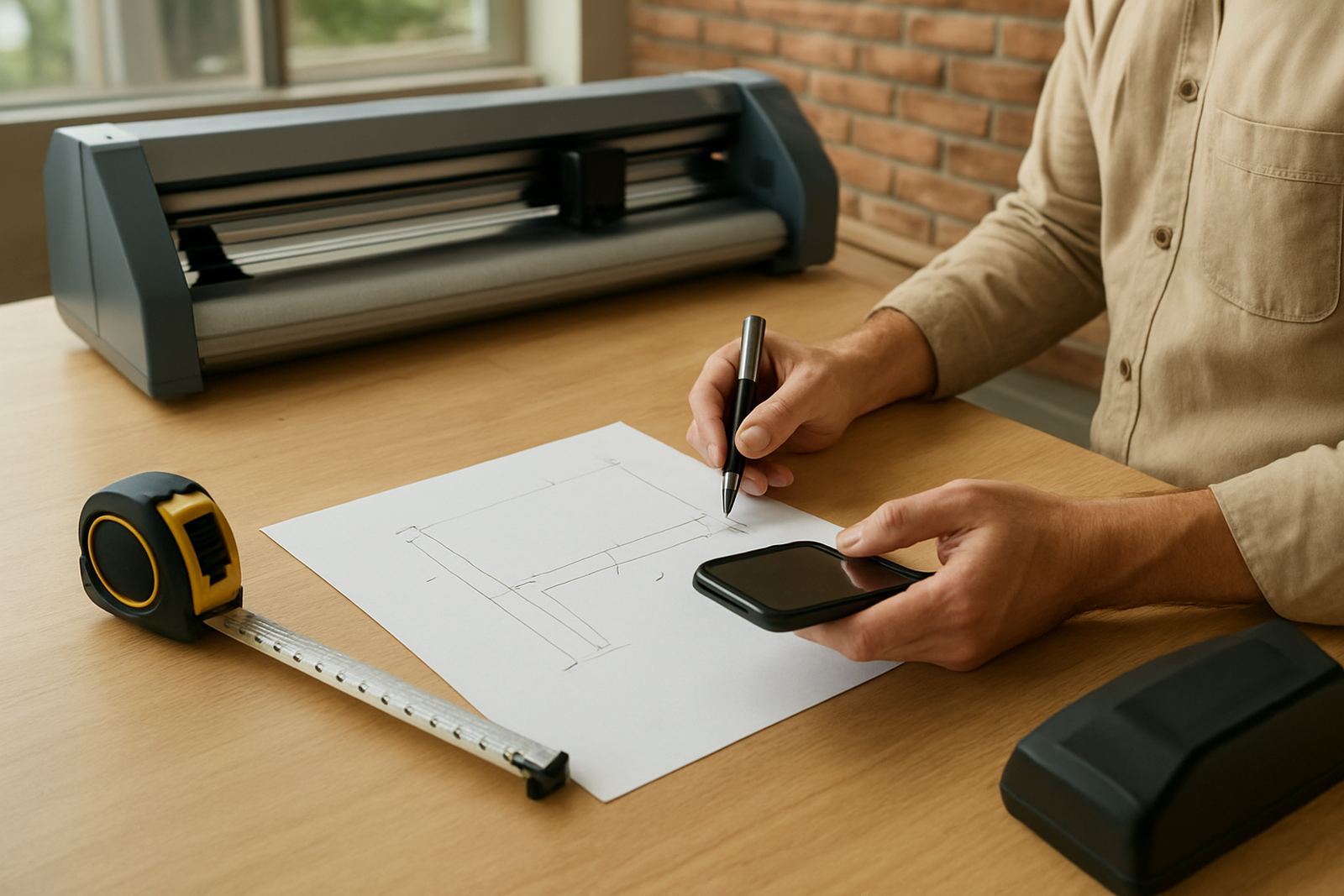
We often see delays caused by missing measurements or unclear placement on the wall or glass. A proper site survey reduces that risk. It also helps when the sign must line up with shutters, awnings, fire exits or existing fascias. The earlier you plan these details, the less chance of rework and extra cost.
- Confirm exact fixing points before artwork is finalised
- Check landlord, centre or municipal approval requirements early
- Allow for rain, heat and coastal corrosion when choosing materials
- Plan for safe access if the sign needs future maintenance
Artwork, Printing and Finishing: Why Details Matter
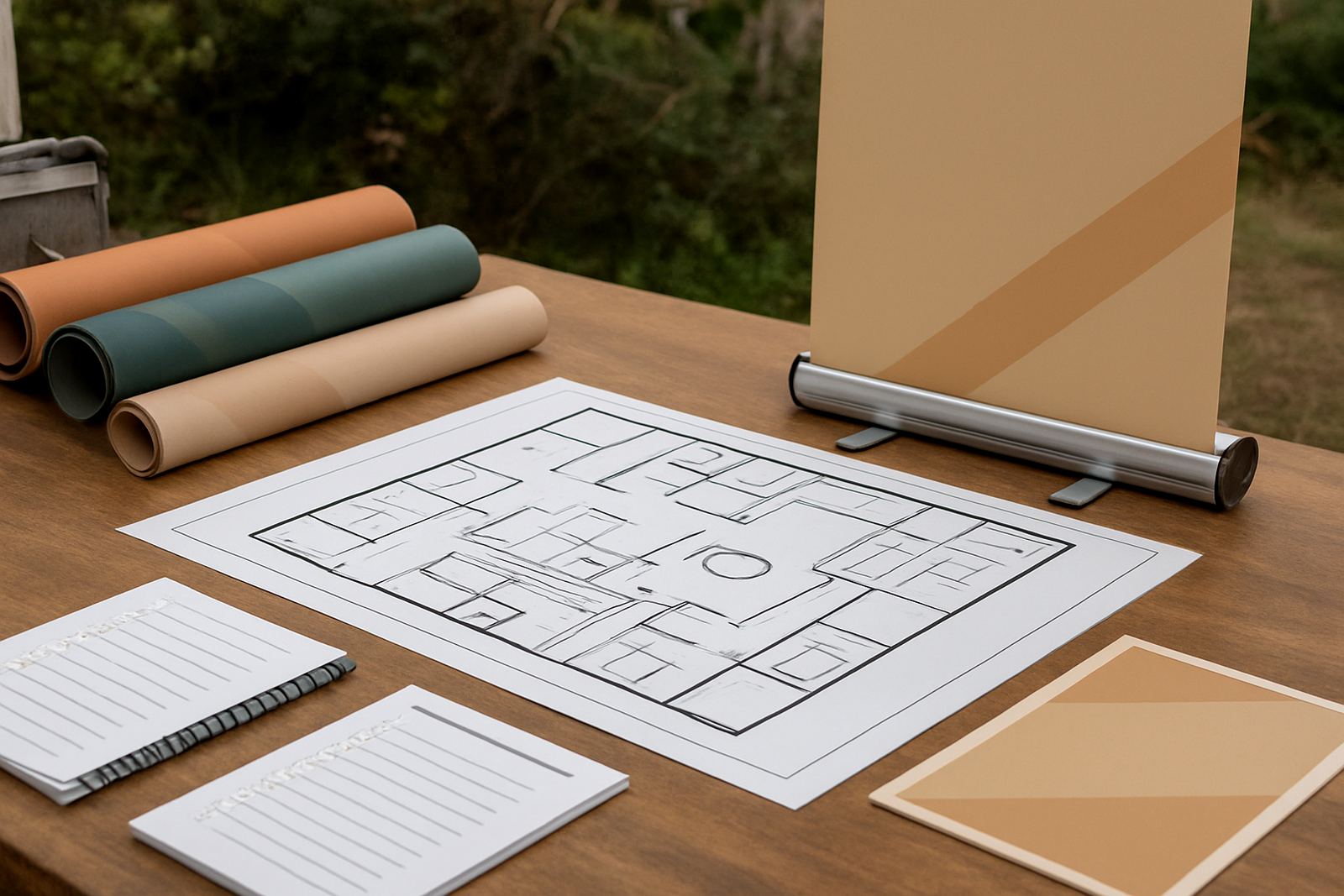
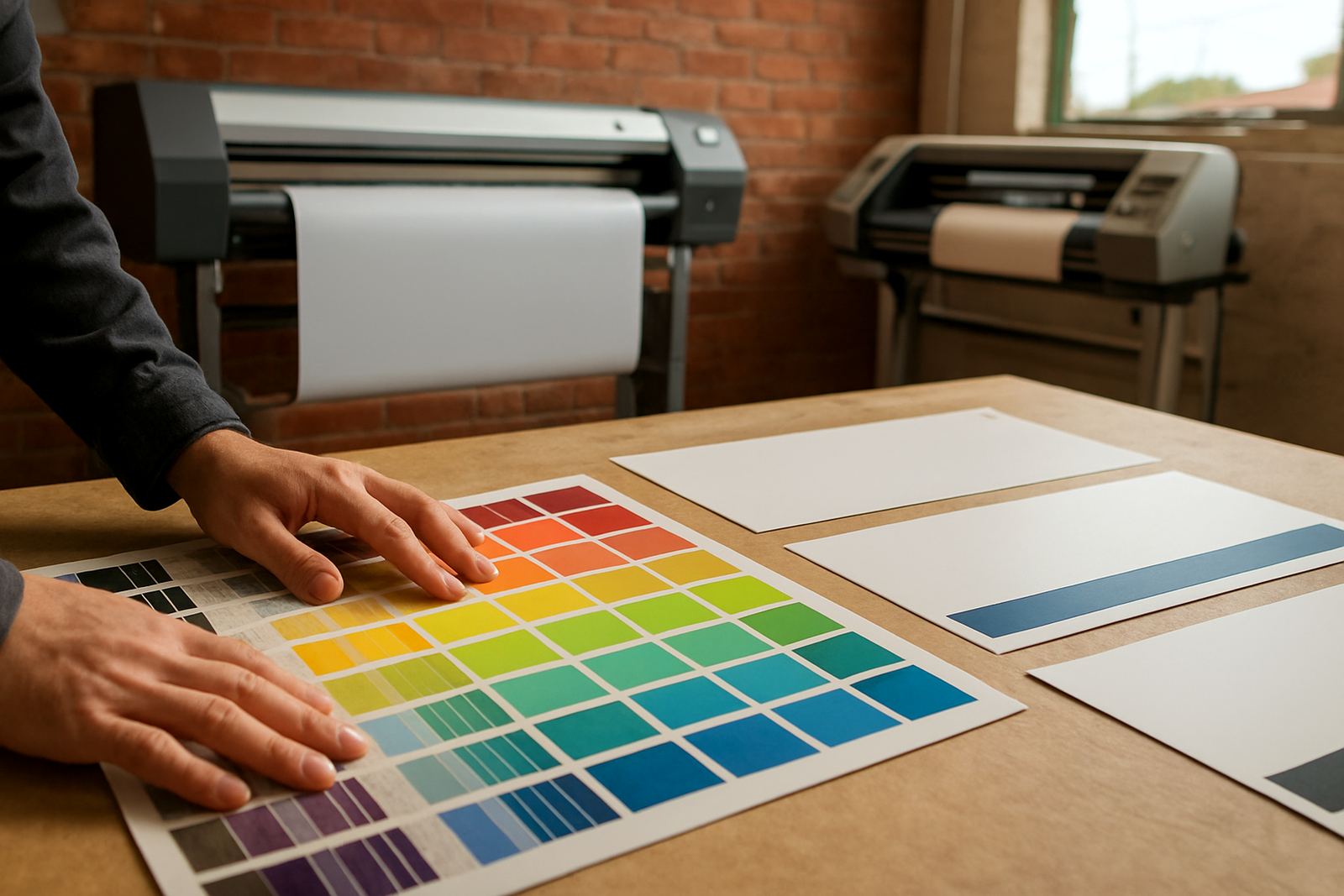
Good signage starts with correct artwork setup. Fonts, logo proportions, colour matching and spacing all affect how the final sign reads from the street. A neat layout on screen can look too crowded once it is printed at full size, so it is worth checking artwork at scale before production starts.
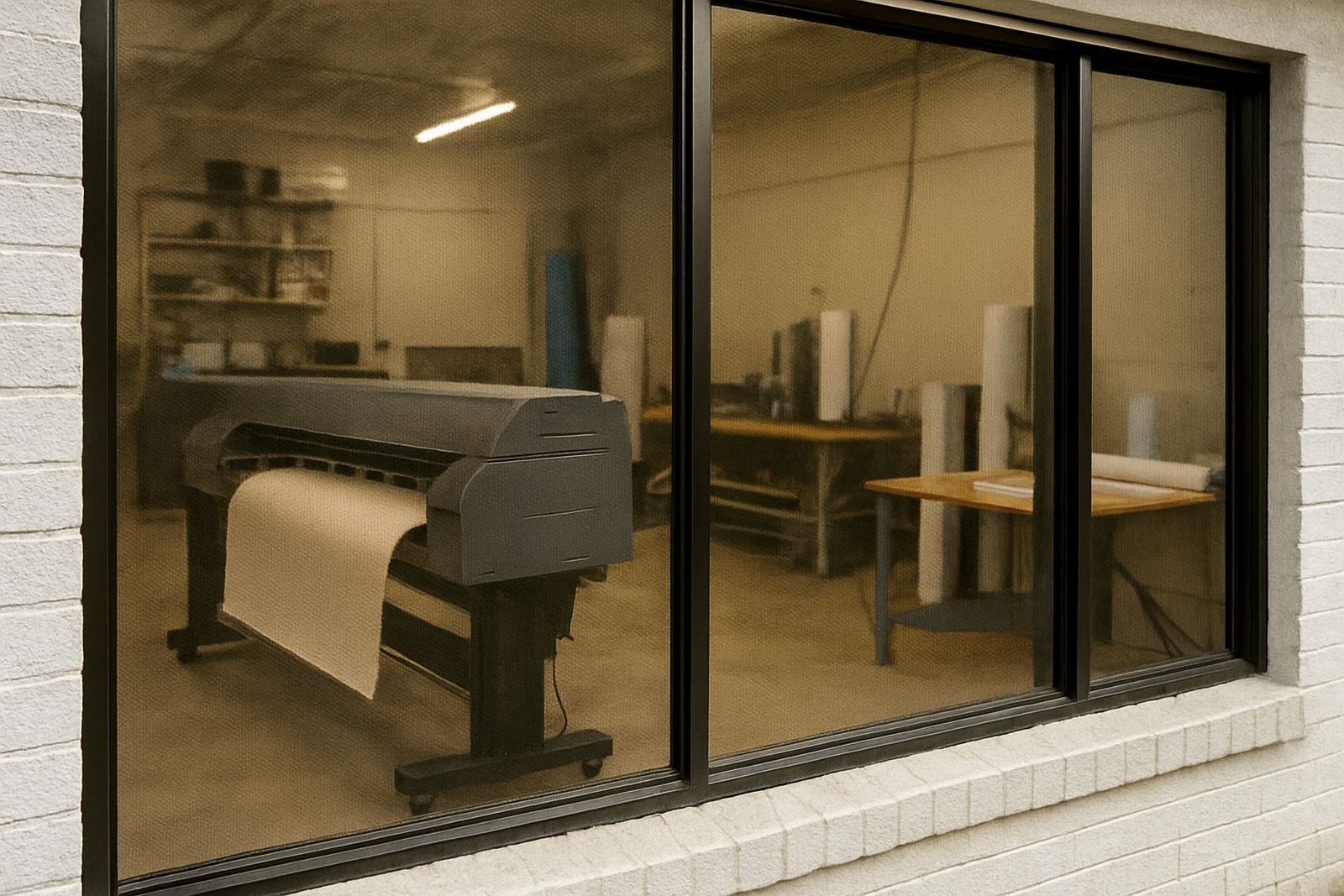
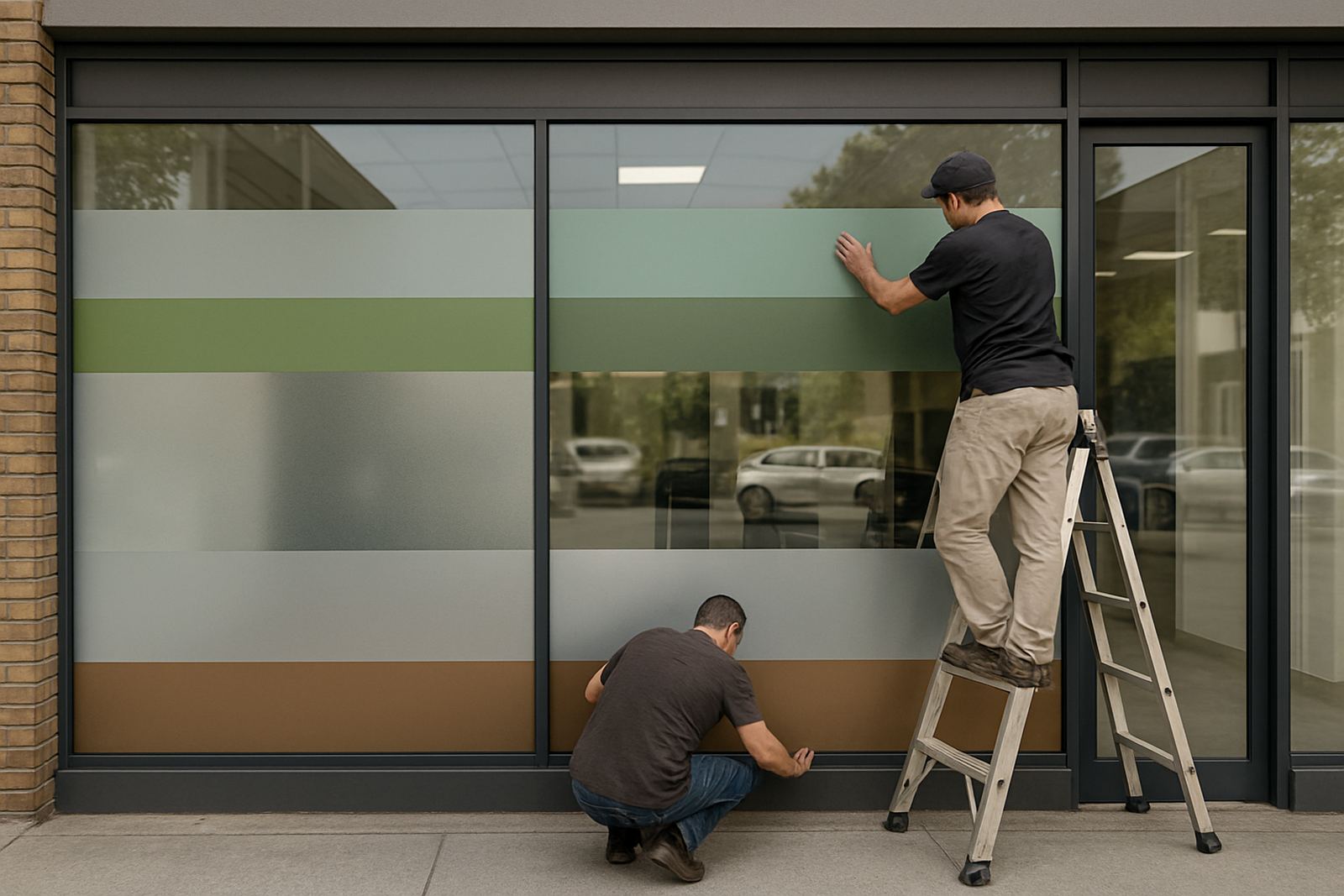
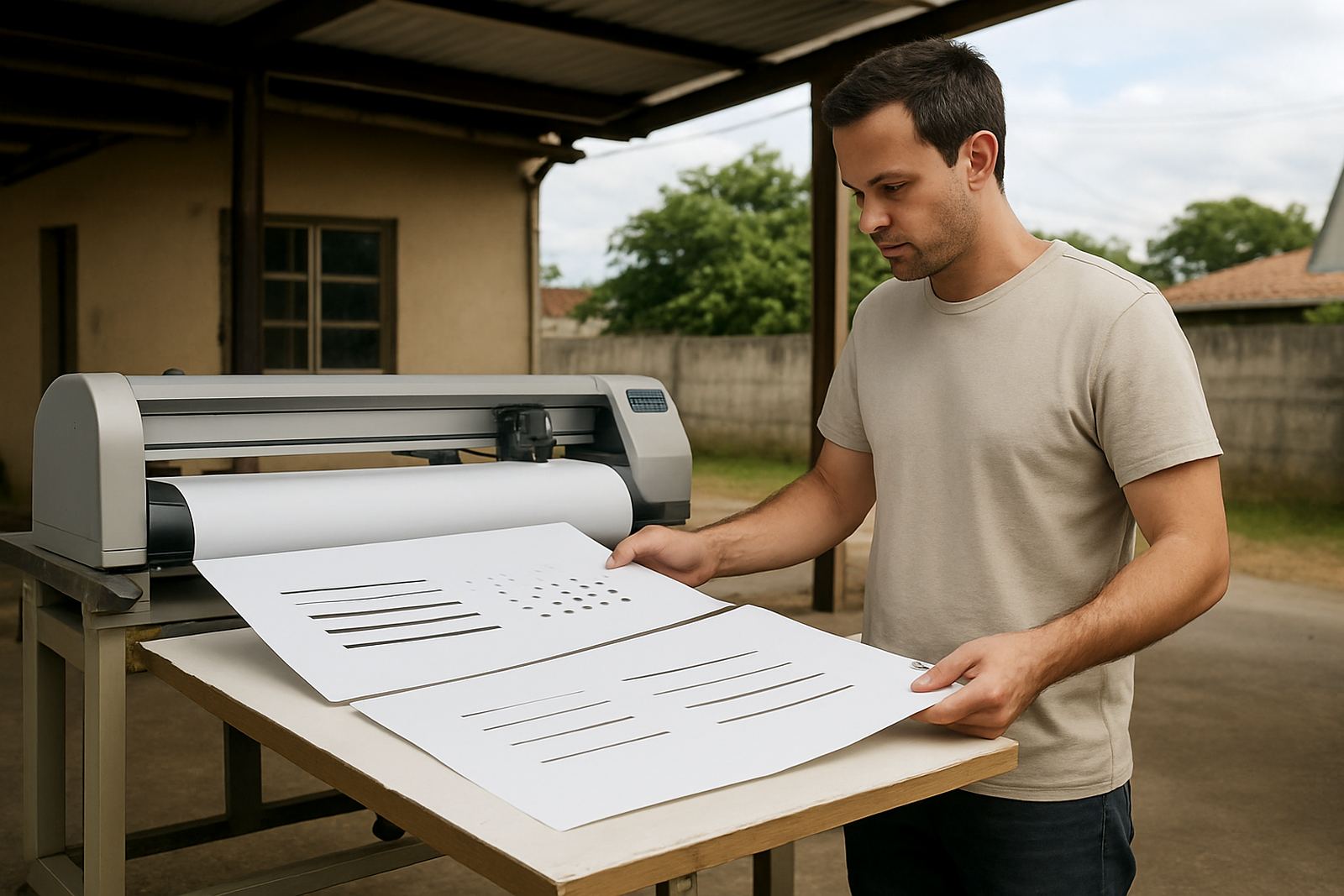
For printed signs, lamination can improve wear resistance and make cleaning easier. For cut vinyl, accurate weeding and application are important, especially on windows and vehicles where edges must stay clean. On shopfront installations, careful finishing around joins, corners and seals makes a big difference to the final look.
- Artwork setup for print and vinyl cutting
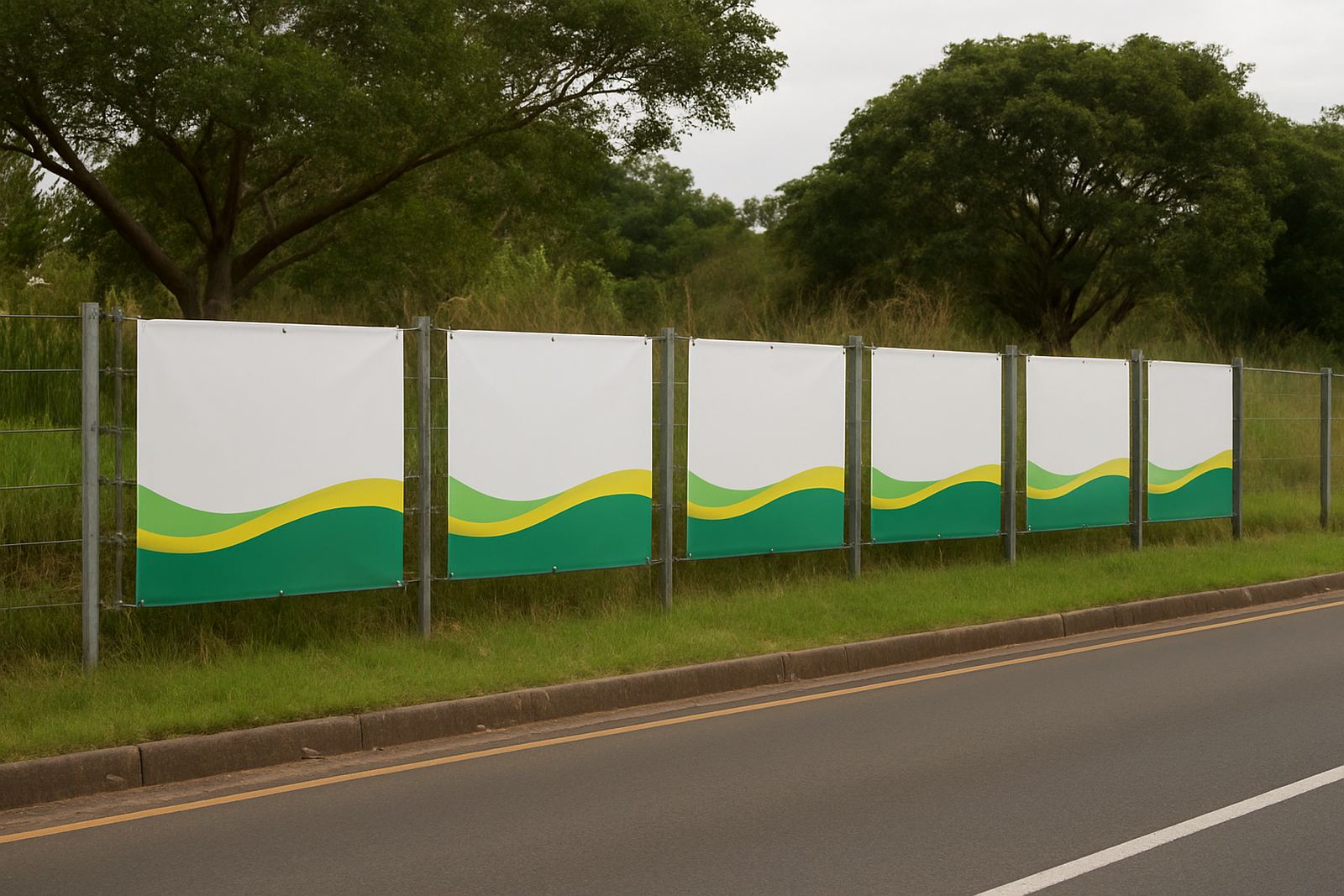
- Large format printing for boards, posters and banners
- Print lamination for handling and weather resistance
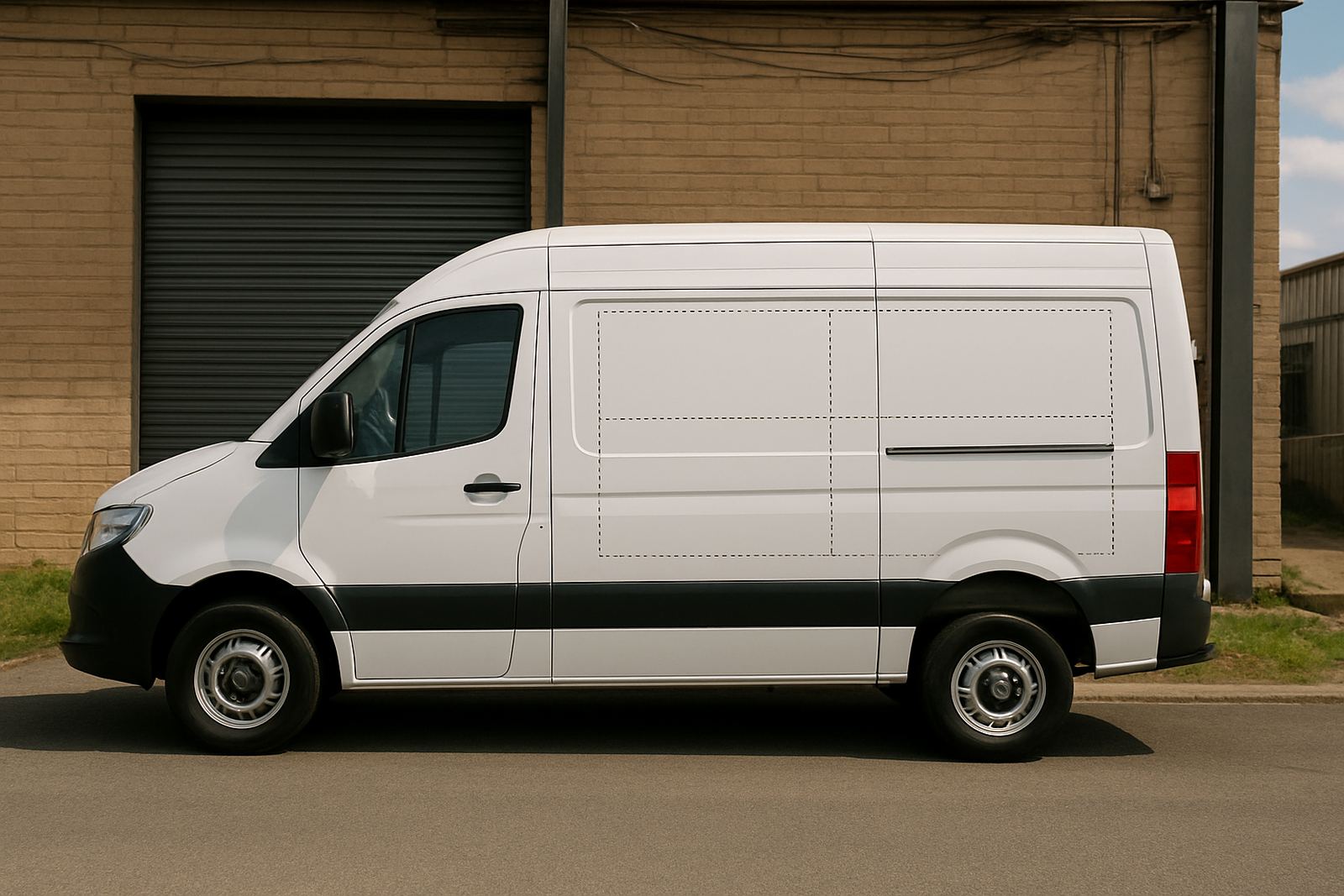
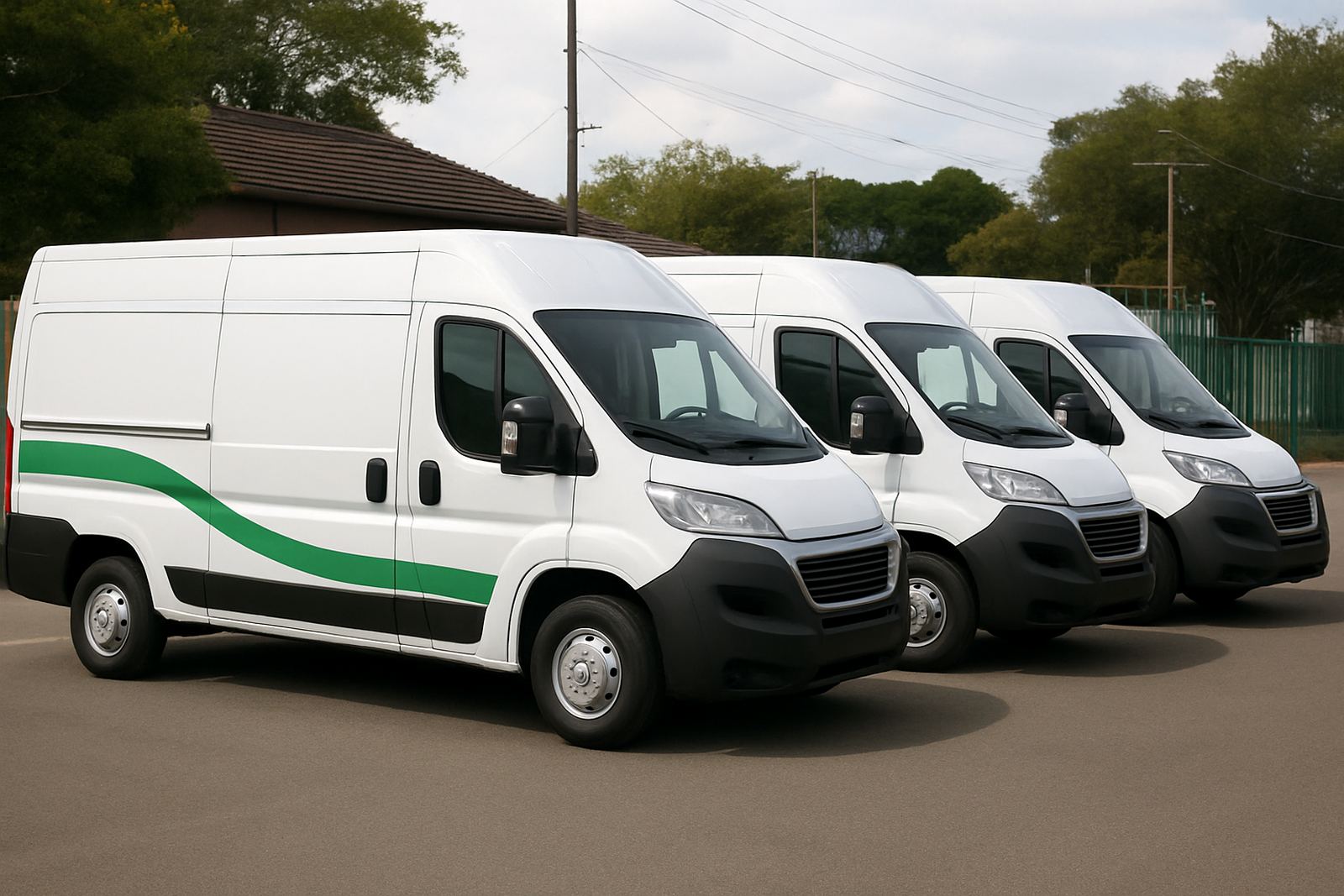
- Window installation and vehicle application for clean alignment
Sign Types Covered in Our Articles
Our journal entries cover the main sign types used by businesses across Durban North, Umhlanga, Westville, Phoenix, Verulam, Tongaat, Ballito and beyond. Each article explains where a product works best, what it costs to maintain, and what kind of finish gives the best result for the site.
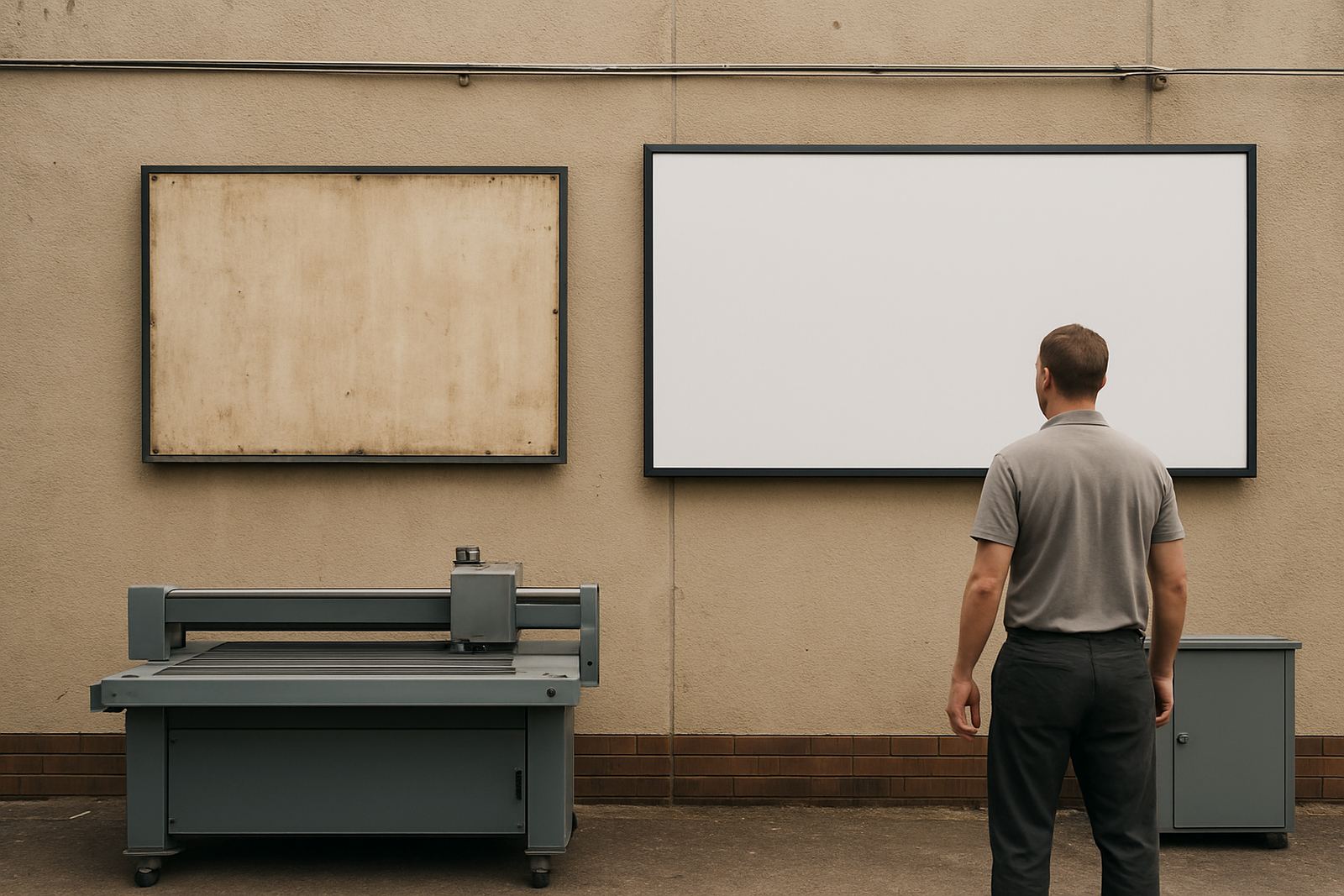
You will see practical notes on shopfront signage, maintenance visits, sign removals and refurbishment work as well. That helps if you already have a sign in place and only need replacement graphics, a fresh face panel, or new lighting in an existing box. Sometimes a full replacement is not necessary, just a better built solution for the same footprint.
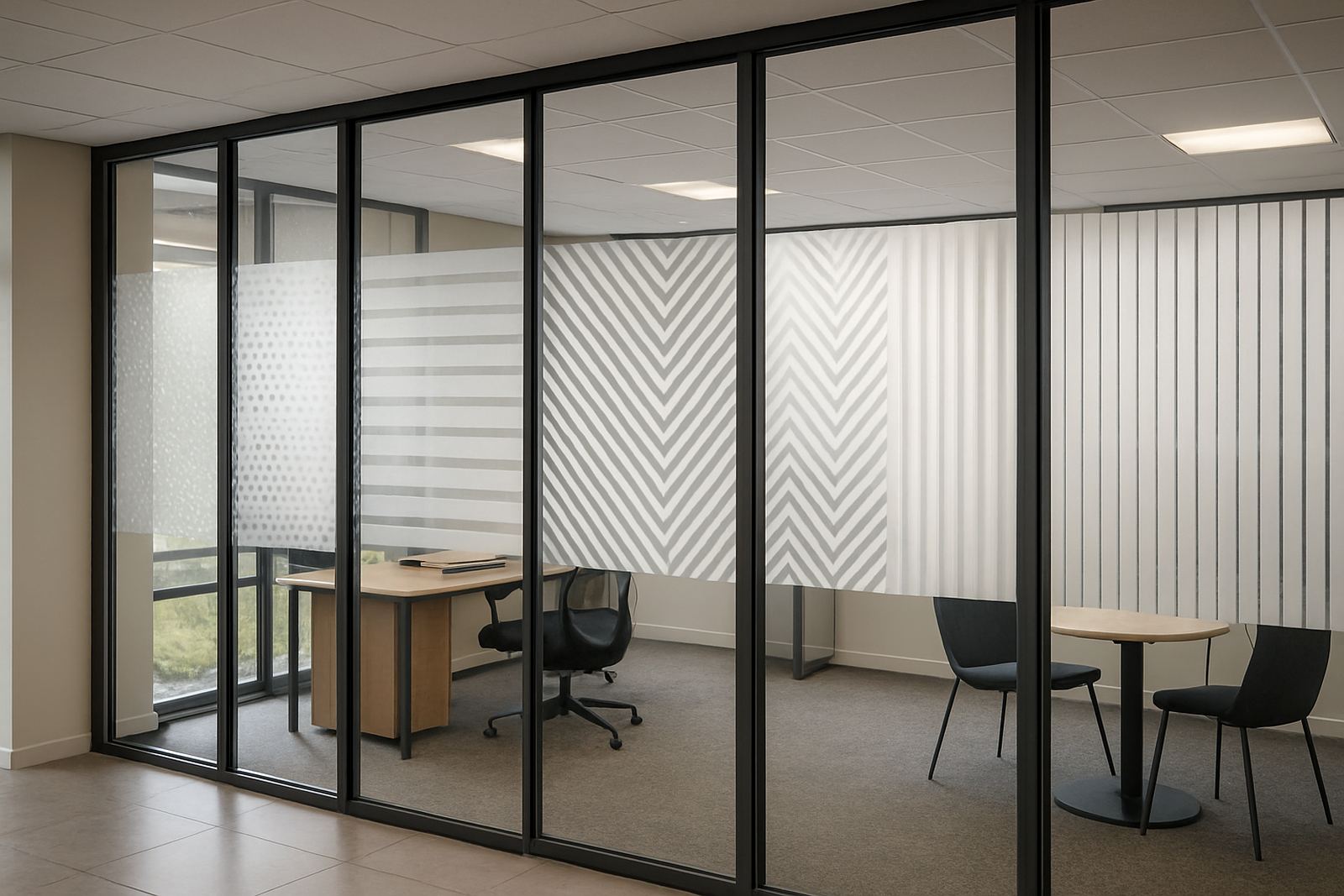
- Vinyl cutting and window frosting
- Digital printing and contra-vision film
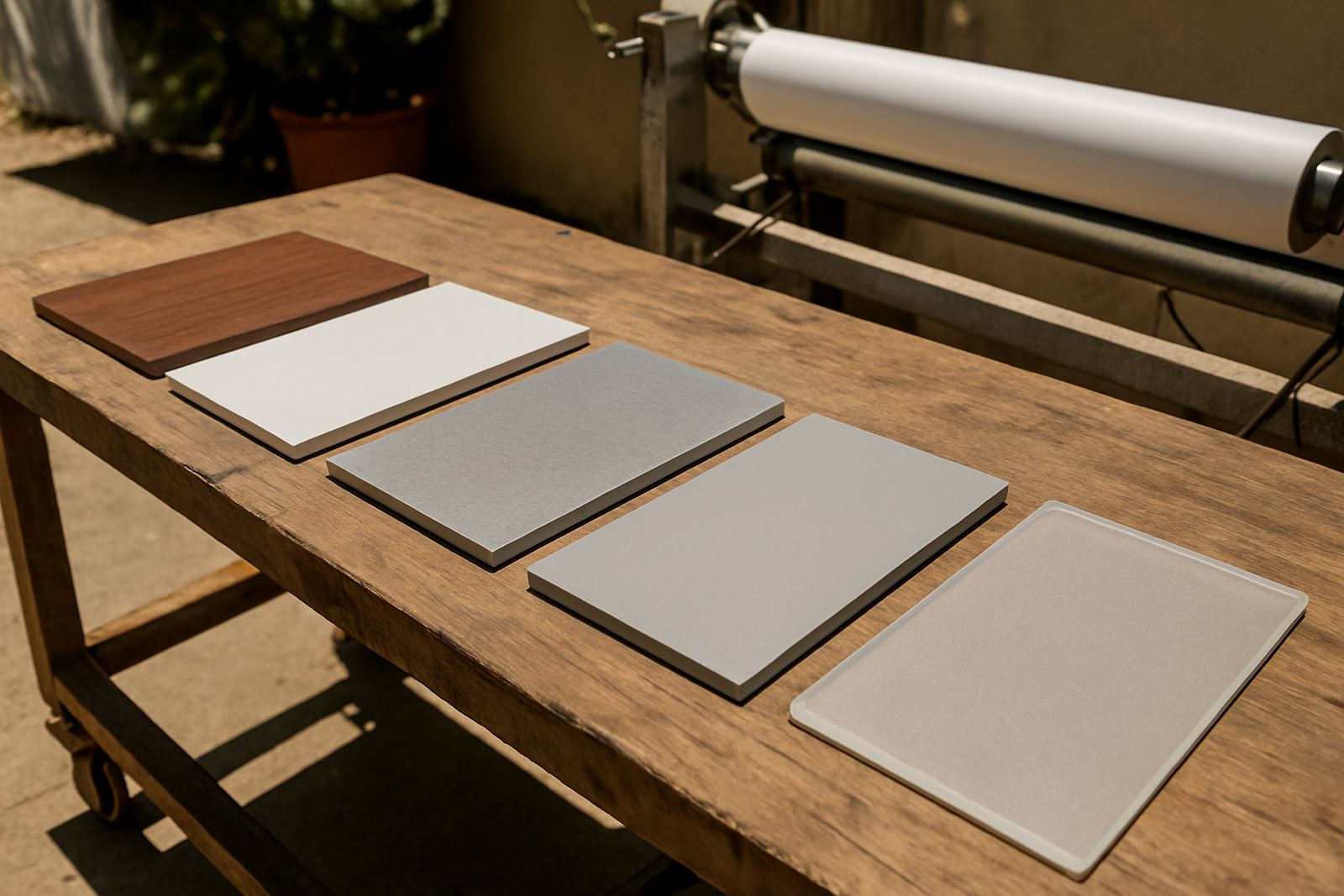
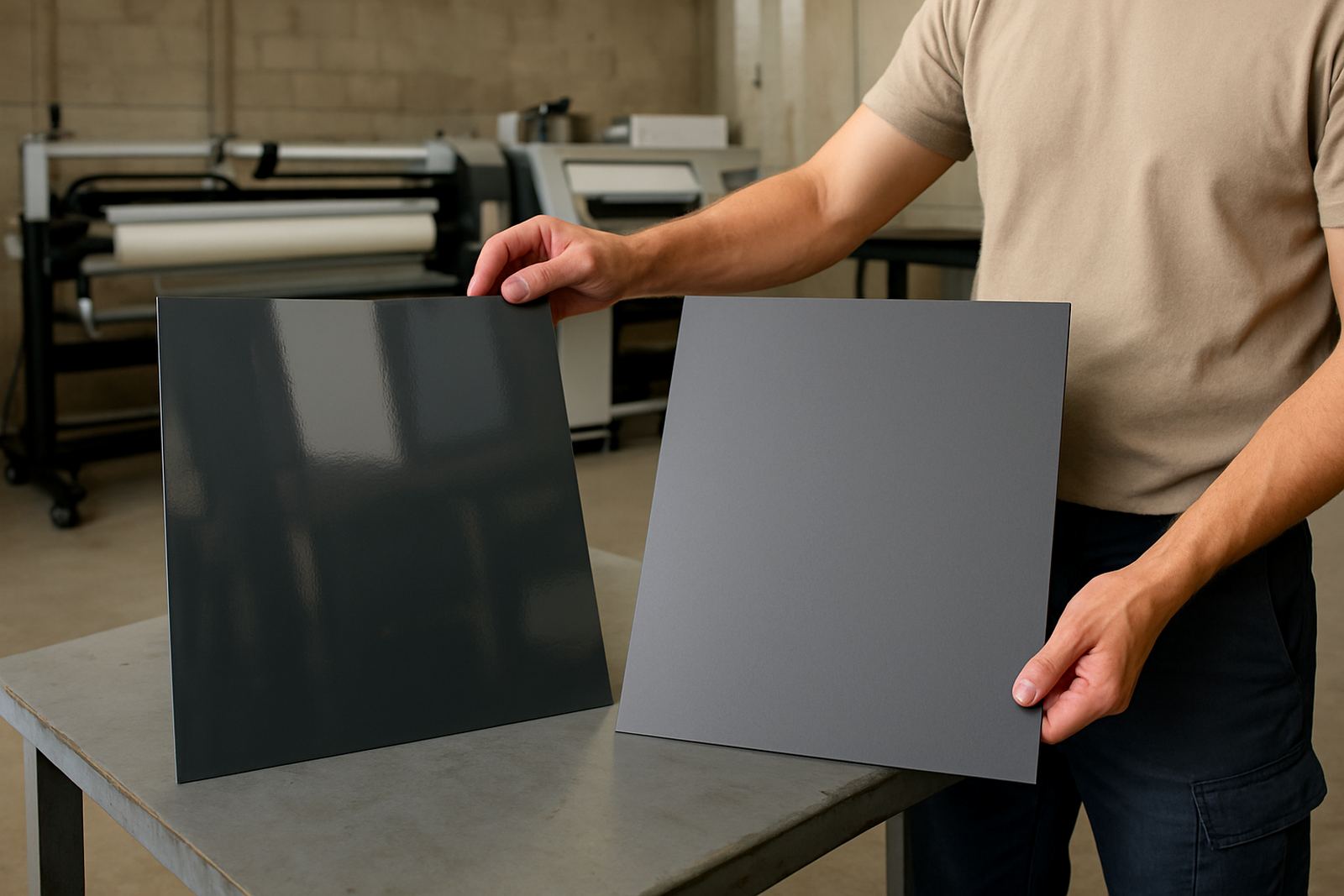
- Chromadek, Perspex and ABS signs
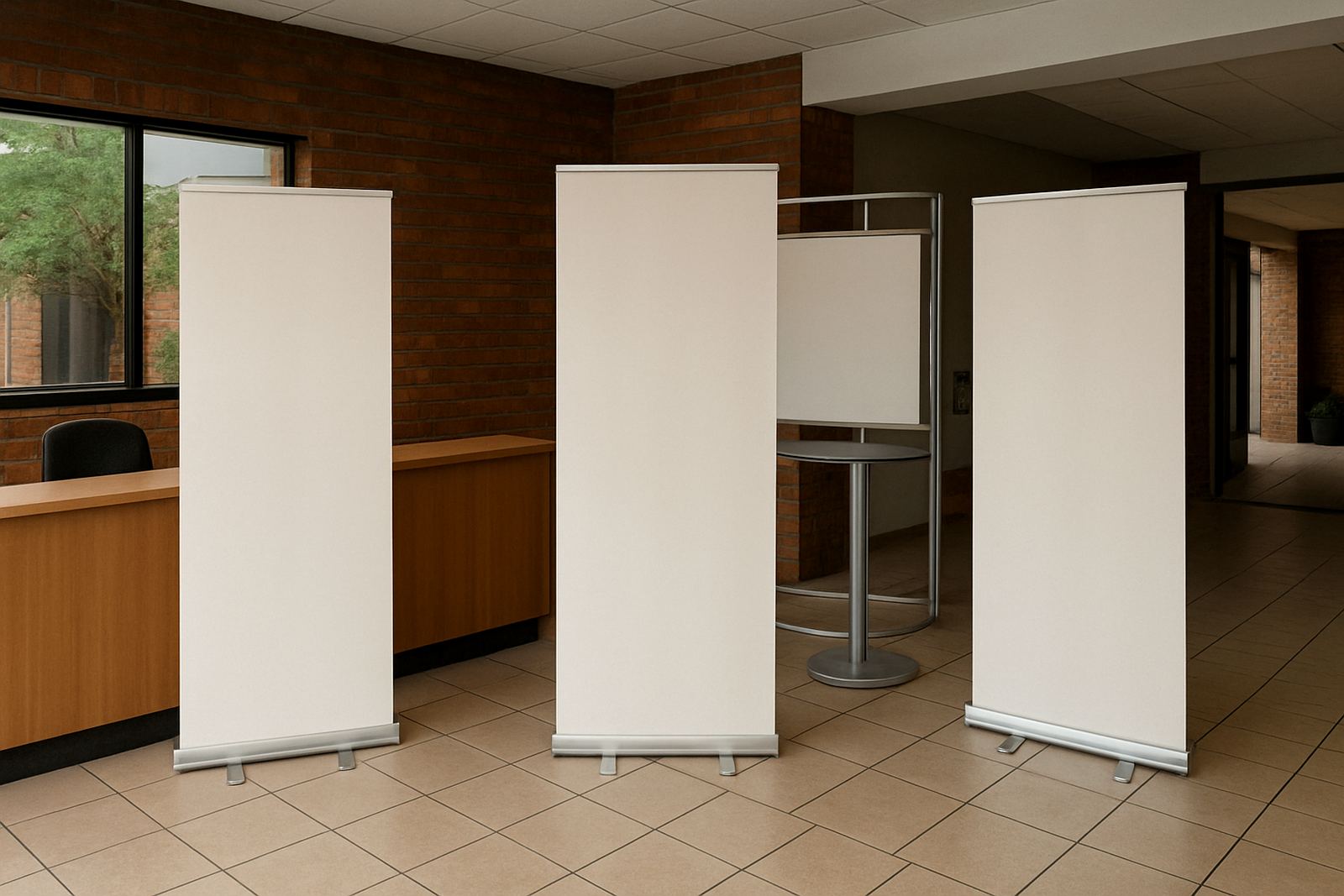
- Roll-up banners, light boxes and shopfront panels
Who These Guides Are For
These articles are written for people who need practical answers before ordering. That includes owners managing one branch, procurement teams comparing prices, and site managers arranging access for installation. If you are trying to balance cost, appearance and durability, the journal gives you a better starting point than a quick guess.
It also helps when you are planning multiple sites. A consistent look across branches in Durban North, Pinetown or the North Coast needs the same message and the same finish, even if the sizes vary. Clear planning saves time later, especially when a sign needs to be made, installed and checked within a tight opening date.
To enquire about signage for your site, use the enquiry form on our contact page and tell us what you need, where it will go, and when you want it installed.