What contra vision does on glass
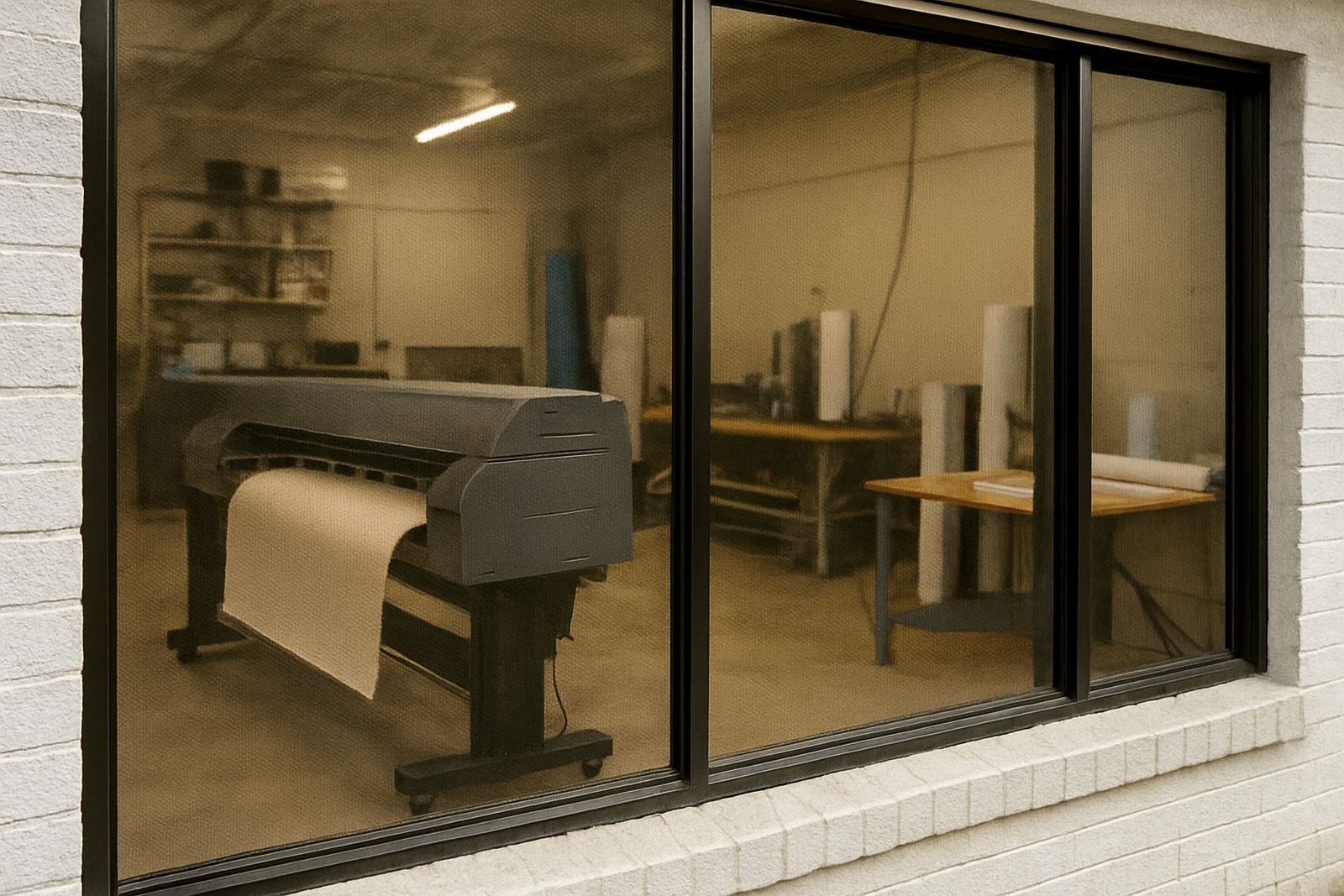
Contra vision, also called perforated window film, is printed film with tiny holes that lets light pass through one side while carrying your artwork on the other. From the street it reads as a full graphic panel. From inside, the view remains open enough for day-to-day work, reception teams, security and drivers.
That balance is the reason many Durban businesses choose it for shopfronts, glass doors and vehicle windows. You get a clean branded surface without having to cover the entire pane with solid vinyl. It is especially useful where a customer-facing area still needs daylight, visibility and a sense of space.
At BP Signs we often recommend it for glass that faces passing traffic, footfall, or parking areas. It is not the answer for every application, but when you want visibility out and brand visibility in, it is a practical option.
Why Durban businesses use it on busy glass fronts
In places like Briardene, Umhlanga, Pinetown and the KZN North Coast, glass shopfronts do a lot of work. They let in light, show off the interior and, if used well, carry your message to people outside. Perforated film is useful because it can do all three without making the space feel boxed in.
It also helps where glare, heat and privacy are everyday issues. On a bright Durban afternoon, solid coverage on a west-facing window can make a room feel closed off. Contra vision allows a branded surface while still keeping the inside usable, which is helpful for reception counters, salons, clinics, showrooms and upper-floor offices.
- Brand visibility on glass without losing outward sightlines
- Useful for offices, retail stores, medical rooms and vehicle windows
- Works well on large panes where full vinyl would feel too heavy
- Can help reduce direct glare on staff working near windows
For businesses with rotating promotions, it is also easier to update a design on a single section of glass than to redo the whole frontage.
Where perforated film works best and where it does not
It performs best on smooth external glass where the design can be read from a distance. Think shopfront windows, office partitions with street-facing glass, service counters and vehicle rear windows. It is also a strong option for temporary campaigns, seasonal offers and brand refreshes.
There are limits though. If the artwork is too detailed, too small or too dark, the perforation can make it harder to read. Fine text, thin lines and busy backgrounds may not print well on this material. At night, when the inside is brighter than the outside, visibility can change and the graphic may be easier to see from indoors than from the street.
- Best for bold logos, simple messages and strong colour blocks
- Less suitable for tiny print or intricate gradients
- Needs proper sizing and a clean glass surface for best results
- Should be checked against lighting conditions and viewing distance
That is why site surveys and artwork setup matter. The same design that works on a narrow office pane may not suit a large retail window facing passing traffic on a busy road.
Local installation considerations in coastal KwaZulu-Natal
Durban conditions are kind to some materials and hard on others. Coastal humidity, heat, dust and regular glass cleaning all affect how window graphics perform. A good install starts with proper surface preparation, because salt film and cleaning residue can affect adhesion and shorten the life of the job.
On vehicles, window film must be fitted to suit the shape of the glass and the daily use of the vehicle. On shopfronts, the film needs to be measured carefully so the message lines up with mullions, doors and handles. For large panes, the install team has to work neatly and safely, especially in busy trading areas where access is tight.
Power interruptions also matter. When load-shedding affects working hours, businesses often want displays that still look presentable without relying on lights or digital screens. Perforated film gives you branding that works in daylight and does not depend on power to be seen.
How it supports privacy, safety and trading hours
Perforated film gives a useful degree of privacy in places where staff need to see out but you do not want a fully transparent shopfront. This is important for reception counters, back offices, medical consulting rooms and security-sensitive work areas. It can reduce the feeling of being on display while still allowing natural oversight.
For after-hours trading, the effect is even more useful. During the day, the exterior carries your message. After closing, the same glass can help screen the interior from direct view, which can be useful for stock rooms or display areas. It is not a replacement for alarms or shutters, but it does add a visual layer of control.
- Helps create privacy without blocking light completely
- Supports staff safety by reducing direct visibility into sensitive areas
- Useful for businesses that operate extended hours or weekend trading
- Can be paired with other signage such as light boxes or Chromadek panels
If your premises sit close to a public walkway or parking area, this can make the space feel more managed and less exposed.
A practical example from Briardene to the coast
A small logistics office in Briardene, Durban North may have a glass frontage facing incoming traffic and a staff area that still needs daylight. In that sort of setting, perforated film can carry the company logo, service list and contact prompt on the outside while the team inside keeps clear sight of the entrance and parking area.
Now take that same idea to a branch in Umhlanga or Ballito. The frontage might face intense sun and a steady stream of pedestrians. A bold but simple window graphic can support the brand, lower glare a bit and keep the interior from feeling too exposed. It is a tidy solution for businesses that want presence without clutter.
We handle these jobs across eThekwini, Pinetown and the North Coast, and the best result always comes from the same process: accurate measuring, clear artwork, a proper installation plan and a message that fits the viewing distance.
Choosing the right finish for your glass
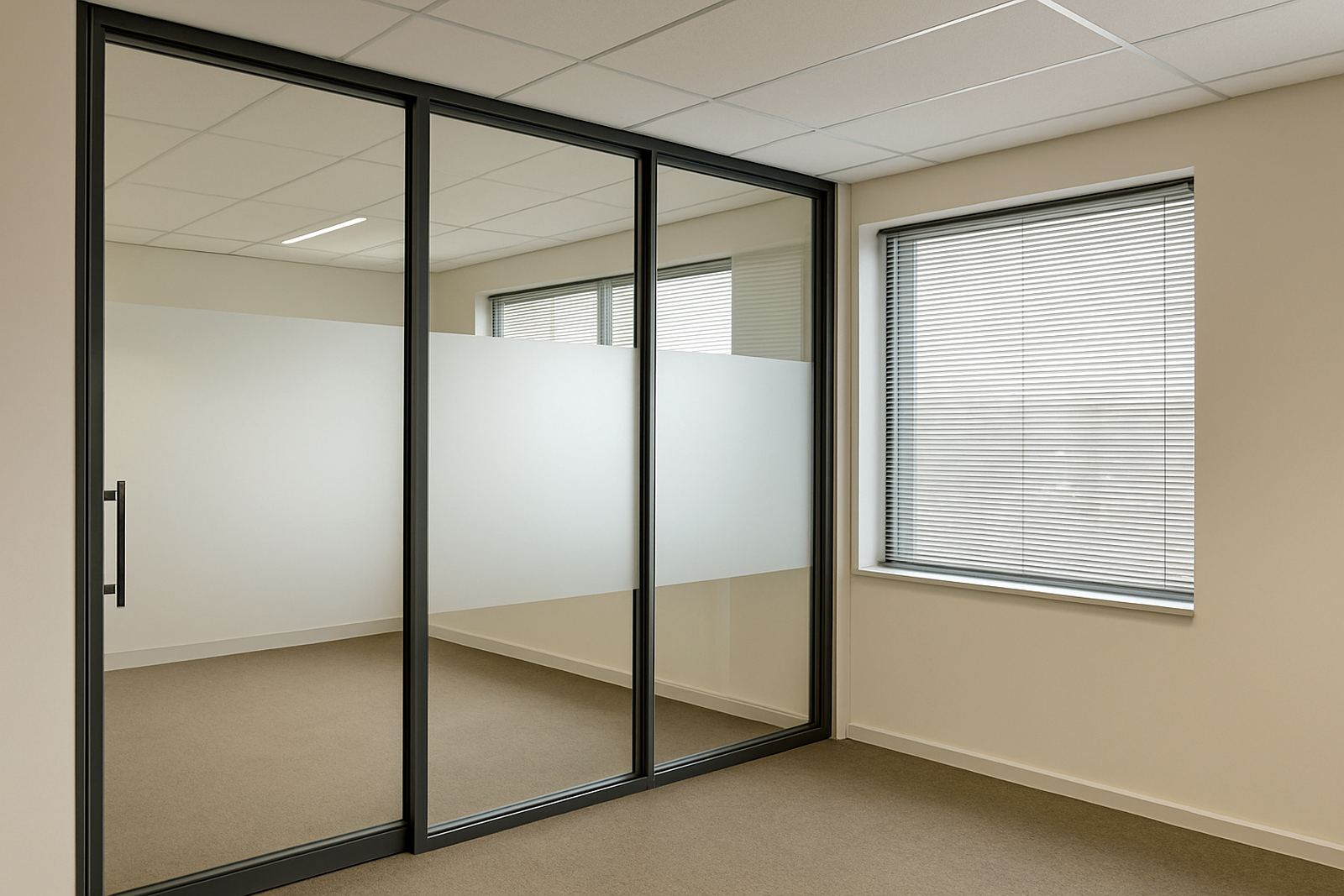
Not every window needs full coverage. Sometimes a partial graphic, frosted band or combined sign layout is a better fit. The choice depends on what the glass is doing for the business. If you need privacy at eye level, a frosted section may work well. If you need full branding with visibility out, contra vision is often the stronger option.
Before ordering, it helps to ask a few practical questions: how far away will people view the sign, is the glass tinted, do staff need to see out during the day, and will the area be cleaned regularly? Those details make a difference to the final result.
For businesses that want signwriting that works hard without taking over the glass, perforated film is a sensible middle ground. It keeps the premises looking active, keeps the interior usable and gives you a clear surface for branding that can be seen from the road.