
Start with one master layout before any vehicle is wrapped
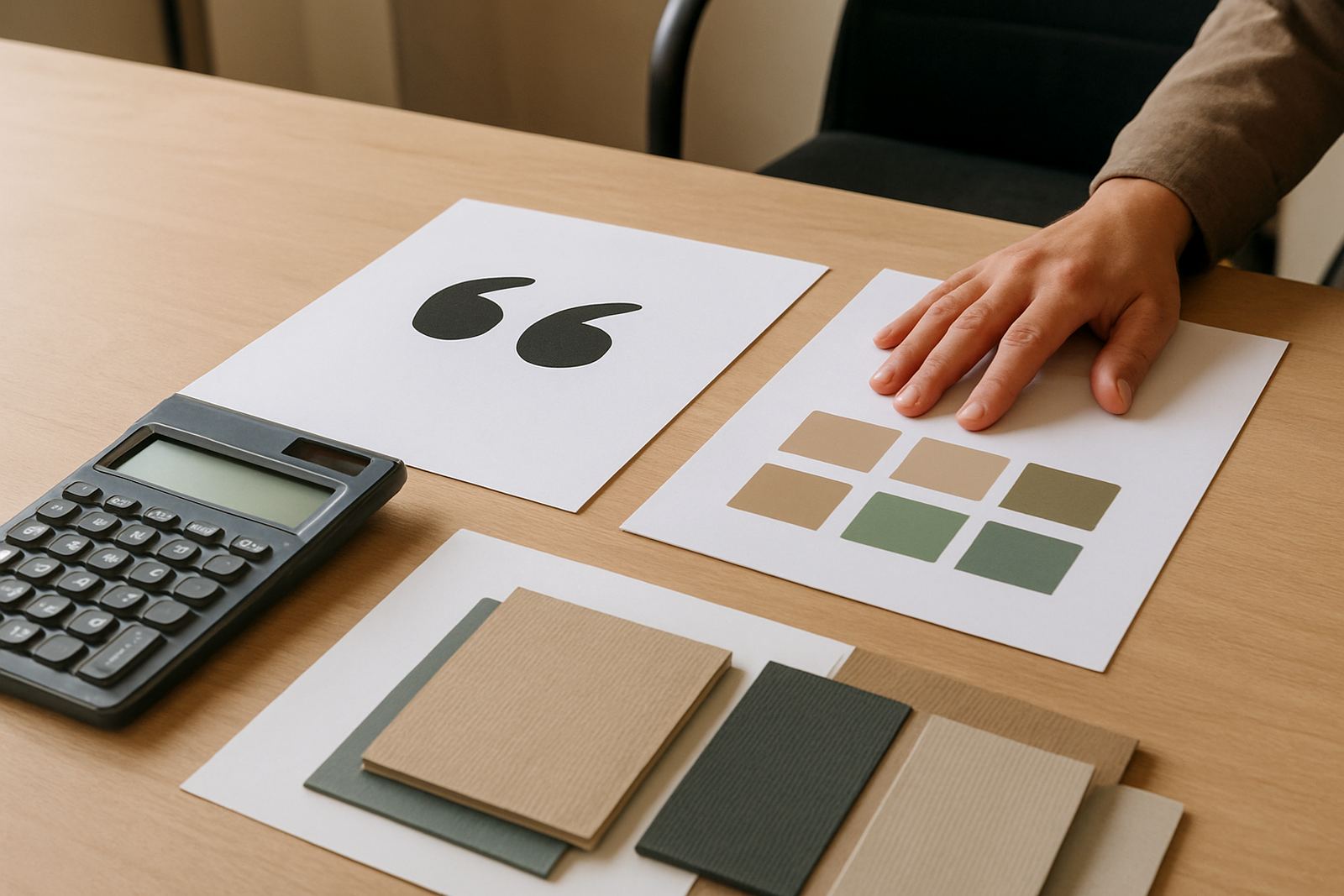
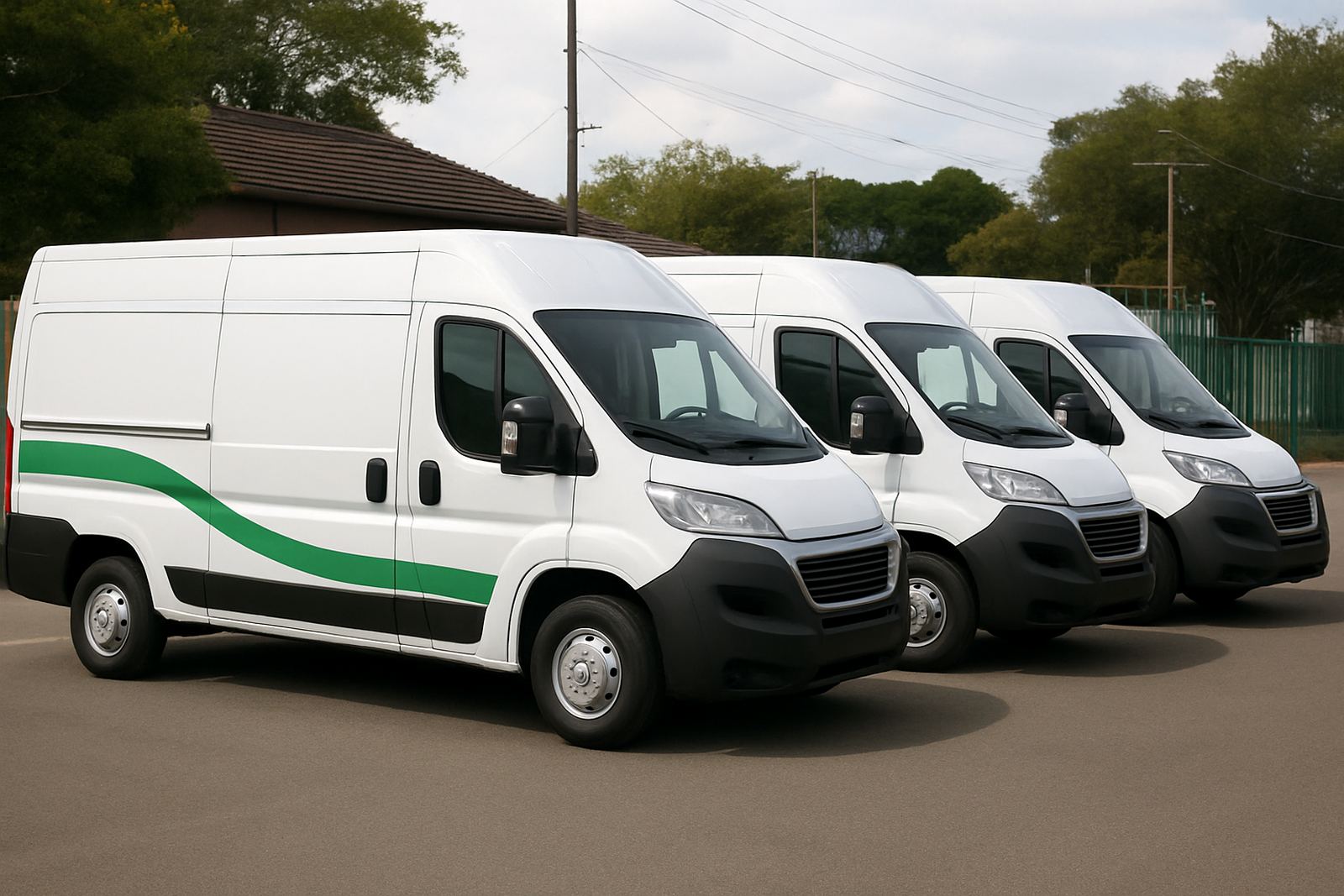
Fleet consistency begins with a single approved layout that every vehicle follows. That means the logo, contact details, strapline, colour blocks and key message all sit in the same positions, whether the unit is a small hatchback or a long wheelbase van. If you do this properly from the start, your fleet will look planned rather than patched together.
We usually recommend setting one master template for the main vehicle type, then adapting it for the others while keeping the same visual order. This avoids the common problem where one car has a logo on the door, another on the bonnet, and the third has text squeezed into the rear panel where nobody can read it.
- Keep the logo size and placement consistent across all vehicles
- Use the same contact number format, spacing and line breaks
- Match the same colour values on every print run
- Agree on one approved version of the brand before production starts
If a fleet is being rolled out over months, save the approved artwork properly so later vehicles match the first batch. Small changes in font weight or shade are easy to miss in the office, but they show up quickly on the road.
Choose materials that suit Durban heat, rain and coastal humidity
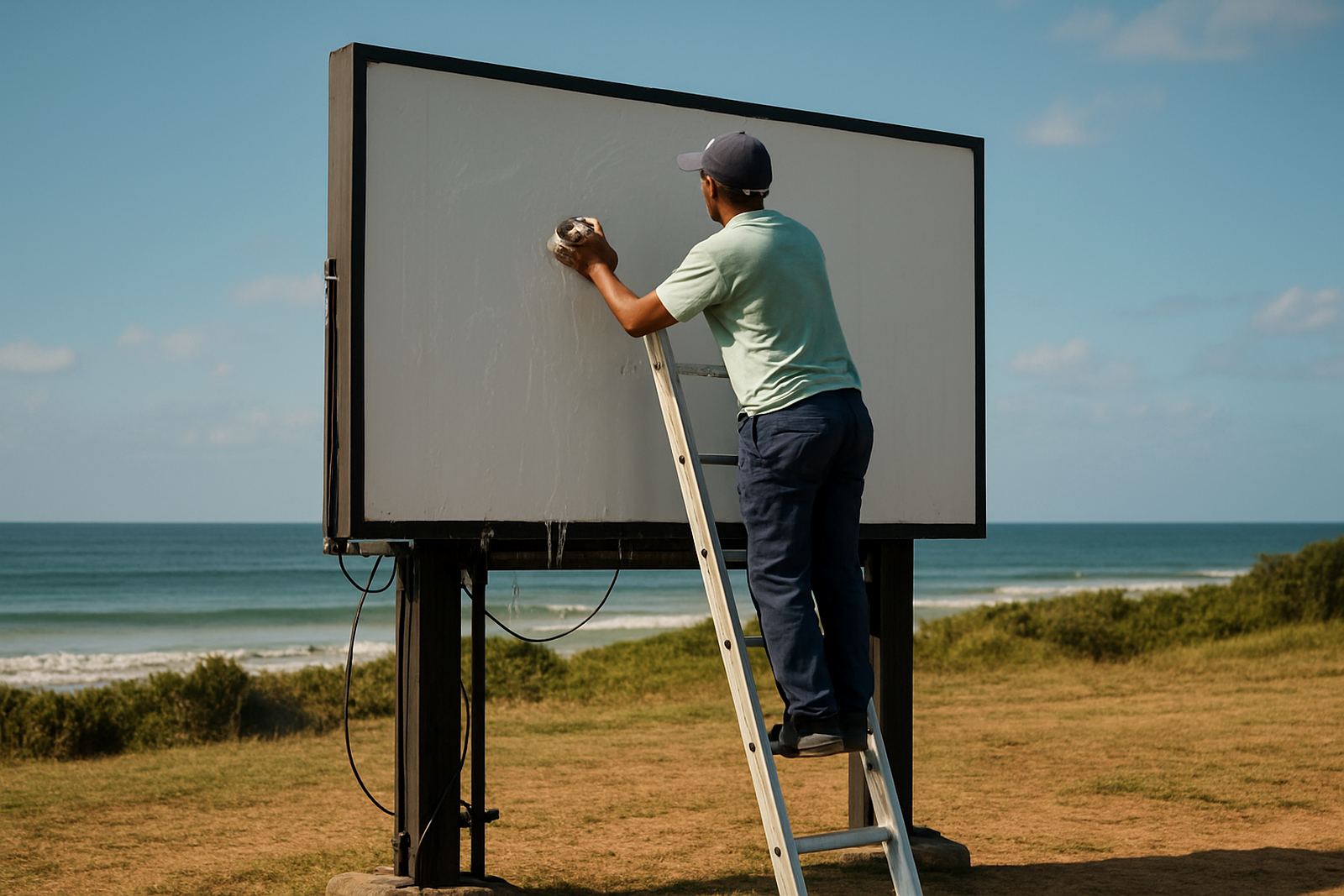
Durban weather is not gentle on vehicle branding. Salt air, strong sun, heavy rain and frequent washing all affect how long a finish stays neat. For fleet work, material choice matters just as much as design. A good-looking print that lifts at the edge after a few months is not good value.
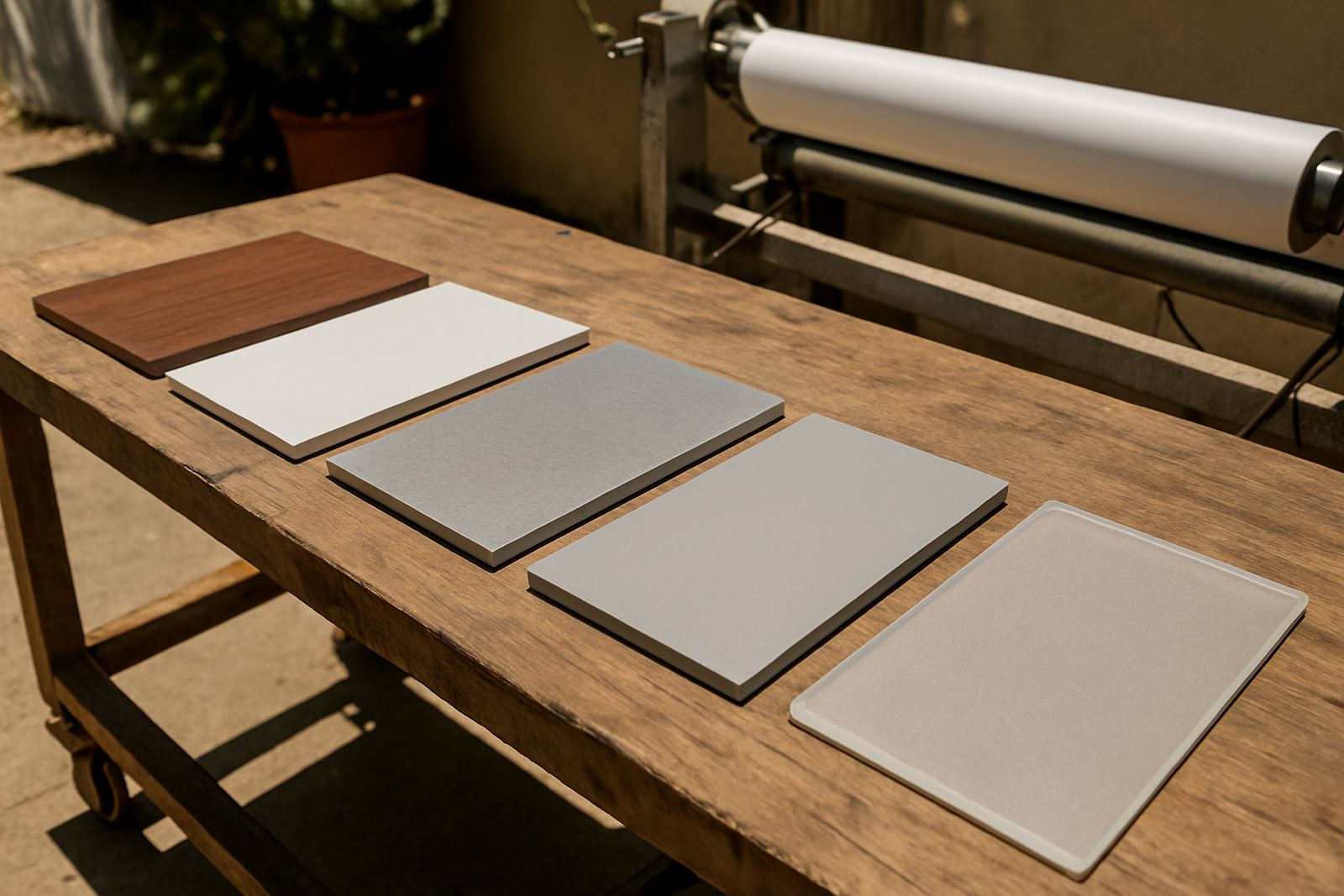
For most fleet applications, laminated digital print is a strong option because it gives colour depth and helps protect against UV fading. Vinyl cut lettering is also useful when you want a cleaner, more minimal look with fewer printed panels. On coastal routes around Umhlanga, Durban North and the North Coast, we often suggest finishes that can handle regular exposure without turning dull too quickly, especially on white vehicles where dirt shows up fast.
- Use print lamination for extra protection against sun and washing
- Choose an adhesive suited to vehicle curves and panel movement
- Check edge sealing around handles, seams and fuel caps
- Plan for coastal wear if the vehicle parks outdoors every day
It also helps to keep the same finish standard across the whole fleet. If one vehicle gets gloss laminate and another gets a duller surface, the difference is visible immediately. Consistency is not only about design, its about how the finished vehicles catch the light and age over time.
Keep print, cut vinyl and signage styles aligned across the fleet
Many businesses use more than one signage method across their vehicles. A service van might carry printed side panels, while smaller support cars use cut vinyl text only. That can work well, but the style still needs to feel like one family. The line thickness, colour palette, spacing and logo treatment should stay linked across all units.
A clear system makes this easier. For example, one fleet may use a printed full side panel for the larger vans, then use matching cut lettering on the smaller cars with the same typography and colour. Another fleet may keep the rear doors branded on every vehicle, even if the side coverage changes. The point is to decide which elements never change, then carry those through every application.
- Set one brand colour set and keep it across print and vinyl cut work
- Use the same logo orientation on doors, rear panels and bonnets
- Keep messaging short so it reads quickly in traffic
- Make sure every vehicle uses the same website, phone layout and service list
Where mixed sizes are involved, a site survey helps a lot. Measuring each vehicle on site allows the artwork to be adjusted properly so no panel looks crowded or awkward. A panel that works on a bakkie may not suit a compact car, and forcing the same layout onto both usually leads to poor spacing.
Protect the fleet with installation standards and a simple handover process
Fleet consistency is not only a design issue, it is also an installation issue. If one vehicle is fitted neatly and another has bubbles, lifted edges or misaligned panels, the whole fleet loses impact. That is why a proper handover process matters. Every vehicle should be checked against the same standard before it leaves the workshop or installation bay.
We normally look at panel alignment, door gaps, edge finish, reflectivity if needed, and whether the artwork sits straight when the vehicle is parked on level ground. Small misreads in placement can be visible from across the street, so the installer needs to work carefully and not rush the final check.
- Inspect each vehicle in daylight before sign-off
- Check for lifts around curves, handles and rivets
- Confirm that all fleet numbers or unit identifiers are in the right position
- Keep a record of the approved layout for future reprints and repairs
For businesses with vehicles moving between branches in Durban, Pinetown and the North Coast, this record becomes valuable. If a panel is damaged in a parking bay or after a minor scrape, the replacement can match the original without guesswork.
Plan for maintenance, removals and changes as the fleet grows
A fleet is never static. Vehicles get replaced, repurposed or moved into different routes, and the branding has to keep up. If you do not plan for that from the beginning, the result is often a mix of old logos, faded panels and mismatched contact details. That looks untidy and it can confuse customers too.
Scheduled maintenance visits help keep the fleet in order. They are useful for checking lifted corners, damaged vinyl, fading print and general wear from washing and road use. If a vehicle is sold or reassigned, proper sign removals matter as well, because badly removed material can leave adhesive marks or damaged paint. On white fleets in particular, the old outline can stay visible if the removal is rushed.
- Update artwork whenever a phone number or service line changes
- Replace damaged panels before the whole vehicle starts looking tired
- Remove old branding cleanly before resale or reallocation
- Keep spare artwork files ready for fast reprints
Businesses in areas like Verulam, Phoenix and Westville often run a mix of sales, service and delivery vehicles, so keeping the branding standard across the lot saves time later. It also means a new vehicle can join the fleet without creating a fresh design debate every time.
A Durban example: one brand across different vehicle types
A local service company operating from Briardene with vehicles moving through Durban North, Umhlanga and Pinetown may need three different sizes of branding, but only one identity. The bakkies can carry bold side panels, the panel vans can take larger printed sections, and the smaller support cars can use a simplified version with the same colours and contact details. That is how the fleet stays recognisable on the road and in customer parking areas.
For a business like that, the practical sequence is straightforward. Begin with a site survey, lock in the artwork setup, confirm the correct measurements for each vehicle, then move into large format printing, vinyl cutting and installation. If the fleet also includes shopfront signage, window frosting or a light box at the base, the same visual rules should carry through there as well. The customer should feel they are seeing one business everywhere, not three different versions of it.
That approach saves money over time because future vehicles, reprints and refurbishments are easier to manage. It also helps the brand look more established from day one. In a busy market like eThekwini, that consistency can make a real difference when your vehicles are parked outside a site, loading at a depot, or moving through traffic in peak time.