Start with the sign type and where it will go
The first thing we need is the type of sign and the exact place it will be fitted. A window graphic, light box, shopfront fascia, vehicle branding and a freestanding sign all need different materials, labour and fixing methods, so even a short description helps.
If you are not sure of the proper name, describe what it should do. For example, say whether it must be seen from the road, viewed up close at reception, or mounted high enough to stay visible above parked cars and street trees. For sites in Durban North, Umhlanga, Pinetown and the KZN North Coast, that context matters because traffic flow, wind exposure and sunlight can change the best option.
- Indoor or outdoor location
- Shopfront, wall, window, vehicle or pole position
- Approximate size in millimetres or metres
- Whether the sign must light up or work without power
Measurements save time and prevent costly rework
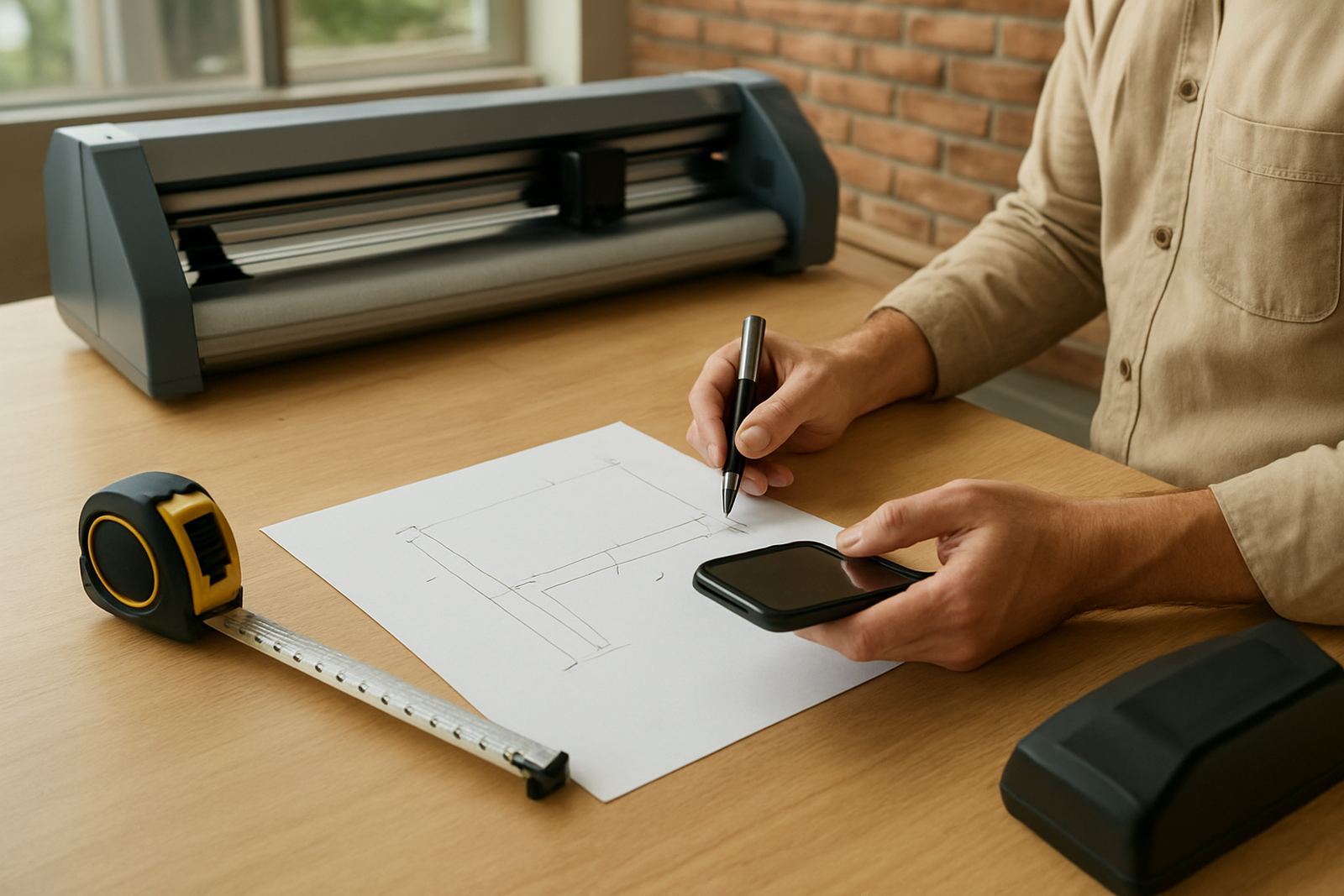
Accurate measurements are one of the biggest helpers in any signage quote. A difference of even 50 mm can affect the fit of a Perspex panel, the number of vinyl sheets, or whether a light box needs a custom frame. If you have a tape measure on site, send width and height first, then the depth if it is a box or projecting sign.
For shopfront work, we also need to know where the fixing points are and whether there are tiles, glass, aluminium cladding, concrete or brick behind the face. That tells us what anchors, brackets and access equipment will be needed. On some coastal properties near Umhlanga and Ballito, salt air and wind load mean we may also recommend thicker material or stronger fixings.
- Measure the visible face only, then the full available wall space
- Note any beams, gutters, awnings or security gates nearby
- Include the height from ground level to the top of the sign area
- Tell us if there is safe ladder access or if scaffold or a cherry picker is needed
Send clear photos of the site from a few angles
Good photos help us price much faster, especially when the site is not yet ready for a site survey. Take a wide shot from across the road, a second shot straight on, and a close-up of the mounting surface. If there are existing signs, please include those too, even if they will be removed later.
Photos should show any obstructions such as pipes, alarm boxes, security spikes, cables, trees or overhead covers. It also helps to take one picture in daylight and one at night if the sign area needs to be lit. In coastal humidity and during load-shedding, we often check whether the installation can cope with power interruptions, timers or backup lighting plans.
- Front view of the site
- Side view showing depth and access
- Close-up of the wall, glass or frame surface
- Night photo if illumination is required
Choose the finish, material and purpose of the sign
The material choice changes the cost, durability and finish. A quick temporary banner for a promotion is priced very differently to a long-life Chromadek shop sign or a backlit light box. We also need to know if the sign must be printed, cut from vinyl, frosted, laminated, or fabricated from rigid board.
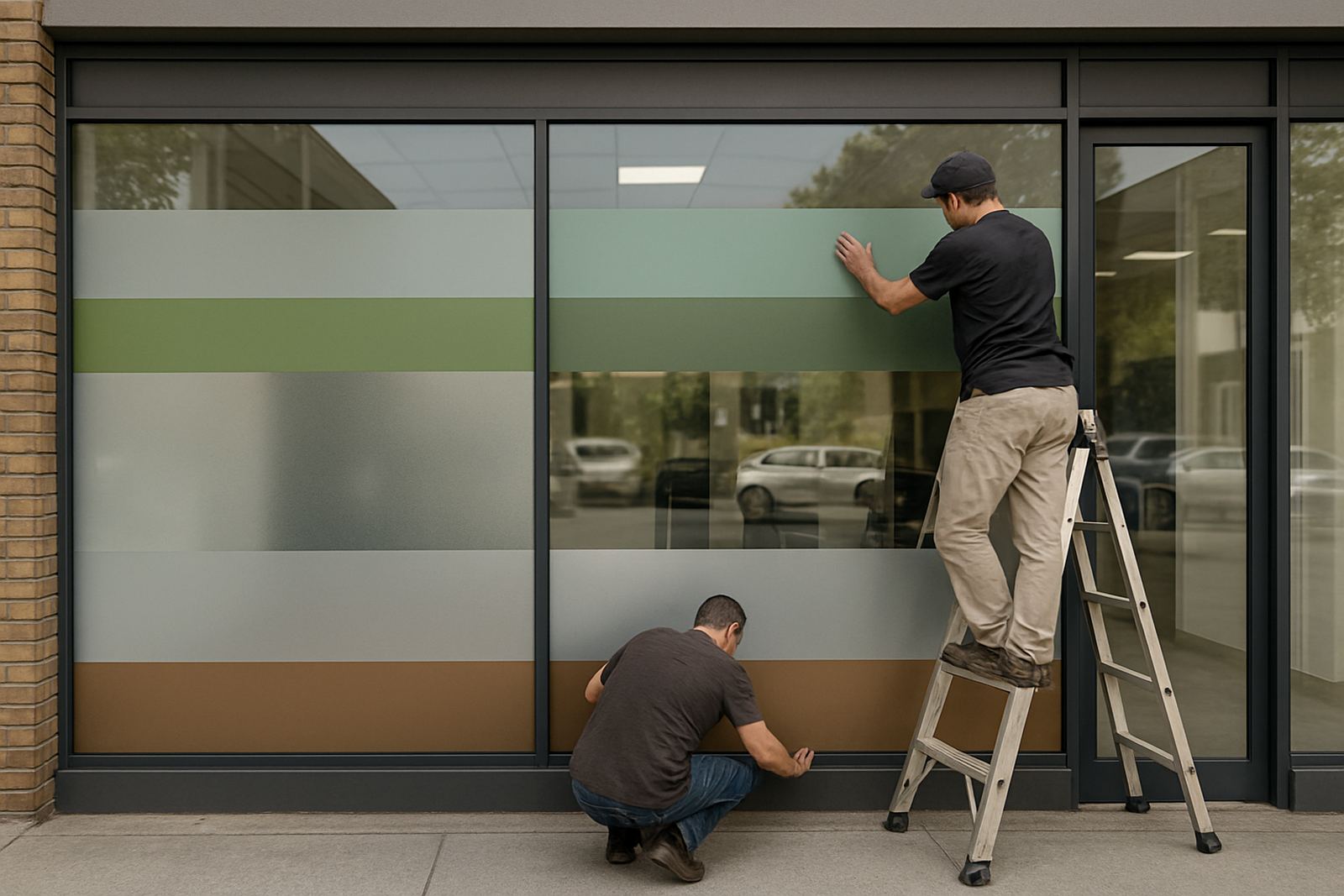
If you have branding guidelines, send the logo in a proper file format and note the colours as accurately as possible. For window frosting and contra-vision, we need to know whether the priority is privacy, advertising, or both. For fleet or vehicle installation, we need the vehicle make, model and year so the graphics fit the body lines properly.
- Preferred material, if already chosen
- Short-term campaign or long-term installation
- Gloss, matt or frosted finish
- Indoor lighting, external lighting or no lighting
Tell us about timing, access and site rules
Many delays come from access issues, not the sign itself. If the site is in a mall, office park or industrial area, we need to know the approved working hours, delivery rules and any access forms. Some properties in Westville, Pinetown and Phoenix only allow certain install times, and a few buildings need induction before work can begin.
It also helps to tell us if the area is operational during the day, whether parking is available close to the work zone, and if there are municipal or building management rules around drilling, waste removal or noise. If the sign is replacing an old one, say whether you want the old unit taken down, the surface repaired, or the new sign fitted over the existing points.
- Preferred installation date or deadline
- Working hours allowed on site
- Parking, loading and security instructions
- Whether you need removal, maintenance or refurbishment as well
A local example: a storefront in Umhlanga Ridge
Imagine a pharmacy in Umhlanga Ridge needing a new illuminated fascia sign and window frosting for privacy. To quote properly, we would want the sign width, wall height, photos of the current frontage, access details for the loading bay, and whether the existing wiring is still usable. We would also need to know if the landlord requires approval before drilling or fitting anything to the facade.
With those details in hand, the quote is clearer and the install plan is easier to schedule. It means we can price the right frame, decide if the panel needs extra weather protection, and avoid last minute changes on site. That saves time for the client and keeps the job moving, even when the weather turns or the power is off.
- Exact frontage width and height
- Landlord or centre management requirements
- Power point position for illumination
- Whether the sign must match existing branding on other branches