Start with the visitor journey, not the sign board
Directional signage works best when it follows the way people actually move through a site. In Durban, that often means visitors arrive in a hurry, miss the entrance because of traffic, or park on the wrong side of a building and walk in circles. Before you order anything, map the full route from the road to the final point of contact.
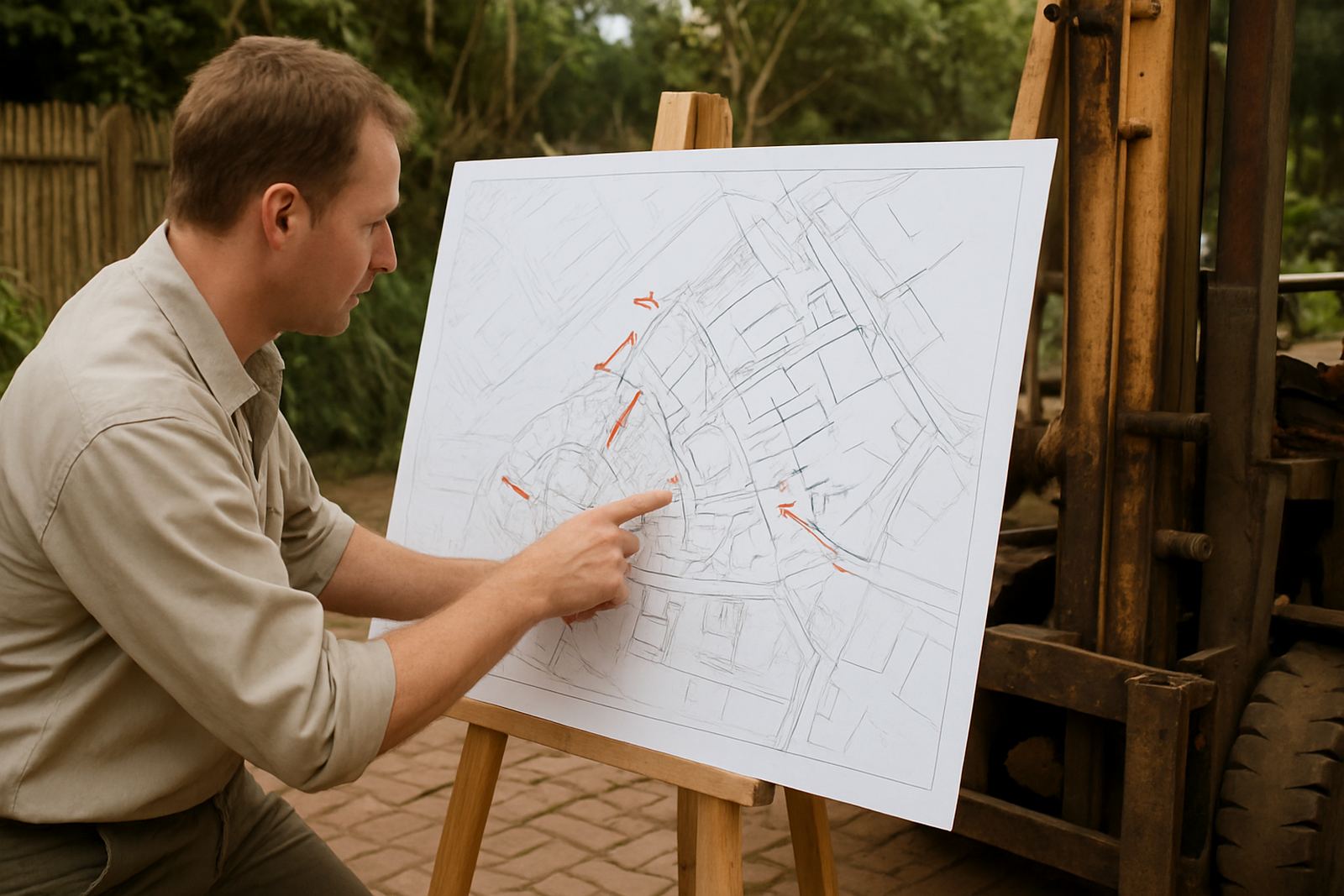
At BP Signs, we usually begin with a simple site survey. We look at where people enter, where they turn, where they stop and where they get confused. That includes pedestrians, drivers, delivery trucks and after-hours visitors. If the route changes after load shedding, security gate closure or a municipal access point, the signs must still make sense in those conditions.
- Main road approach from each direction
- Gate, boom or security point
- Parking bays and drop-off zones
- Lift, stair and reception access
- Back-of-house, loading and staff-only routes
Measure decision points before you choose sign types
Not every junction needs the same kind of sign. A driver moving at 40 km/h needs a different message from someone walking past a reception counter. The question is not simply where a sign will go, but when the person needs the information. That timing affects size, wording, arrow placement and mounting height.
For a site in Umhlanga or Briardene, a typical planning check will cover viewing distance, light levels and how busy the area is at peak times. If there are trucks or forklift movement, the signs must sit clear of vehicle paths. If the site faces coastal humidity, the materials and fixings need to handle salt air and stay readable over time.
- Where the person first needs to turn
- How far away the sign must be visible
- Whether the viewer is on foot or in a vehicle
- Daytime glare and night-time visibility
- Exposure to weather, dust and sea air
Build a clear sign hierarchy for the whole property
Too many sites in Durban North and Pinetown rely on one big sign and a few extra arrows. That causes confusion because visitors cannot tell which instruction is most important. A proper wayfinding plan uses hierarchy. The first sign gives the broad direction, the next one confirms the route, and the final sign gives the exact destination.
This is where design and fabrication choices matter. Larger entrance signs may be made in Chromadek, Perspex or light box form, while internal directional signs can be cut vinyl, printed panels or window graphics. If a business has multiple tenants or departments, the layout should be consistent from the gate through to reception and beyond.
- Primary identity signs at the street edge
- Directional signs at each turn or fork
- Confirmation signs after key decisions
- Door, bay or room identification at the end point
- Temporary event or overflow parking signs where needed
Match the materials to the setting and the weather
Directional signs are often treated as an afterthought, but they still need the same practical care as any other exterior sign. In Durban, sun, rain and coastal moisture can fade print, weaken adhesive and stain lower-cost boards faster than many clients expect. For sites near the coast, material choice should be decided with the environment in mind.
For indoor routes, printed panels, vinyl-cut arrows and frosted glass film can work well. Outside, a tougher finish is usually better, especially where signs will be washed, touched or exposed to direct weather. If the site experiences power interruptions, consider how a light box or illuminated direction sign will behave during outages and whether the route still works without light.
- UV exposure on open facades
- Rain splash from paving and parking areas
- Salt air near the coast
- Cleaning access for maintenance visits
- Visibility during early morning and evening shifts
Use wording that people can follow in one glance
Directional signs should be short, direct and consistent. Long sentences slow people down and increase mistakes. If the site uses both visitor and staff routes, the wording must make the split obvious. Arrows should point exactly where the next move is, not just generally toward the right area.
We often advise clients to test wording with someone who has never been on the site before. If they have to ask twice, the message is not clear enough. The same applies to naming. Reception, admin, accounts, deliveries and visitor parking should each have one clear label and be used the same way across all signs and printed material.
- Use one label for each destination
- Keep arrows consistent across the site
- Avoid local slang or internal abbreviations
- Separate visitor, staff and delivery routes
- Check spelling before artwork setup and print
Plan for installation, maintenance and future changes
Good wayfinding is not just about the first install. Sites change. Parking layouts move, tenants change, departments expand and access points are re-routed. If the sign plan is too rigid, the whole system becomes outdated quickly. That is why we recommend thinking ahead before anything is fabricated.
A practical approach is to note which signs may need future replacement, such as temporary event panels, seasonal parking boards or department names that change often. For larger sites in eThekwini or the North Coast, it helps to keep a record of sign locations, fixings and sizes so maintenance is easier later on. Our team can handle sign removals, refurbishments and follow-up visits when the layout changes.
- Leave space for future names or departments
- Use fixings that allow safe removal
- Record each sign location on a simple site map
- Check for damage after storms or vandalism
- Review the plan when access routes change
A Durban example: from gate confusion to clear visitor flow
A common local example is a light industrial site in Briardene with deliveries at the back, customers at the front and staff parking on the side. Without planning, visitors enter at the wrong gate, delivery trucks block the turning circle and reception spends time directing people over the phone. The site may already have signs, but they are in the wrong places or visible too late.
In that case, we would map the route from the road, check sight lines at the boom gate, identify where drivers first decide to turn and then place the signs in sequence. The result is usually a mix of street-facing identity, directional panels, parking signs and final destination markers. Once the route is set out clearly, the whole site feels calmer and easier to use.
If you are planning wayfinding for a shopfront, office block, warehouse or mixed-use property in Durban North, Umhlanga, Pinetown or along the KZN North Coast, start with the route map first. The signs will perform better, last longer and save visitors time from the first day they go up.