Why site safety signs matter in busy Durban workplaces
In a working yard or factory floor, people are often moving fast and carrying out tasks under pressure. A clear sign can stop a wrong turn, warn about a hot surface, or remind a contractor to wear the correct protection before stepping into a restricted area. That matters just as much in Briardene and Pinetown as it does in a warehouse near the N2 or a production site in Tongaat.
Safety signage also supports management when there are inspections, contractor visits, or handovers between shifts. The message must be easy to read at a glance, in the right place, and made for the conditions on site. If a sign fades in the sun, is hidden by stock, or is too small for the viewing distance, it will not do the job.
For many businesses, the challenge is not choosing a single sign. It is building a complete system that tells people where to go, what to avoid, and what to do in an emergency.
The core categories every site should cover
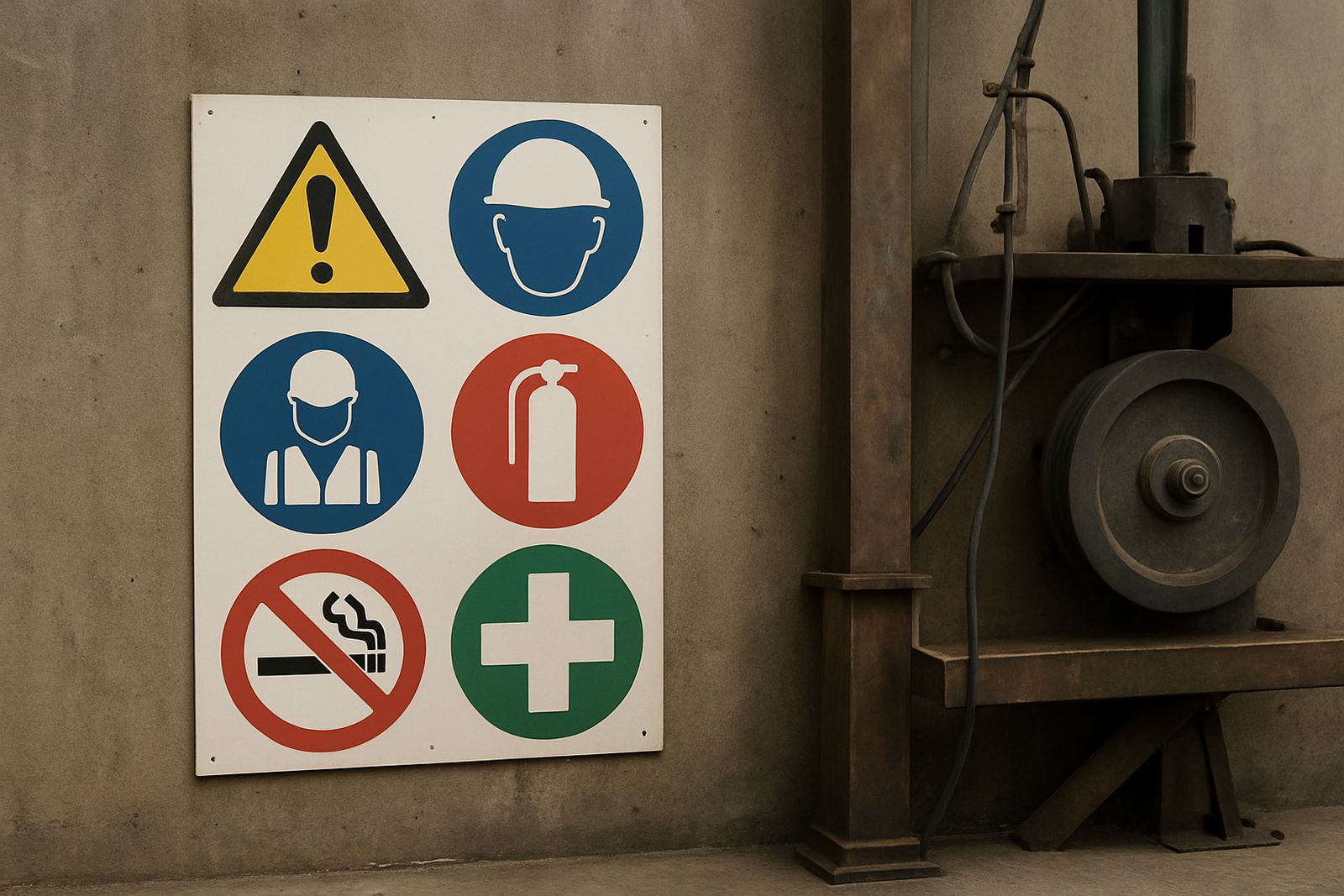
Most workshops and warehouses need a mix of warning, mandatory, prohibition and emergency signs. Each one has a different purpose and should be placed with care. A forklift warning at the loading bay, for example, does not replace a PPE notice at the entrance to the production area.
- Warning signs: alert people to moving machinery, live electrical panels, slippery floors, overhead loads and chemical storage.
- Mandatory signs: tell staff and visitors what must be worn or done, such as hard hats, safety glasses, gloves, hearing protection or closed shoes.
- Prohibition signs: show what is not allowed, including no smoking, no unauthorised entry, and no open flames.
- Emergency signs: guide people to fire exits, assembly points, extinguishers, first aid kits, eyewash stations and emergency stops.
- Information signs: help with site rules, pedestrian routes, delivery points and restricted access areas.
It helps to think of signage as part of the site layout, not as decoration added later. Good signs should line up with walkways, doors, bays and risk points so the instruction appears exactly where the decision is made.
Materials that hold up in coastal humidity and factory conditions
Durban conditions are hard on signage. Coastal humidity, salt air, dust, UV exposure and regular cleaning all affect how long a sign stays readable. Inside a factory, oil mist, heat and vibration can be just as demanding. That is why material choice matters.
For indoor and sheltered areas, printed and laminated panels can work well when the artwork is clear and the surface is easy to wipe down. For heavier duty areas, rigid sheets such as Chromadek, Perspex and ABS are commonly used because they can stand up better to knocks and regular handling. In outdoor areas, light boxes, vinyl graphics and properly fixed boards need to be specified for the wind load and the viewing distance.
Power interruptions also matter. In load-shedding, the site should still be understandable if lights go out. Reflective details, battery-backed emergency lighting and well placed evacuation signs can make a real difference after dark or during an unplanned shutdown.
- Use UV-stable print and lamination for exposed areas.
- Choose rigid substrates where signs may be bumped by stock or trolleys.
- Allow for moisture, salt and cleaning chemicals near the coast.
- Check fixings, brackets and wall surfaces before installation.
Placement rules that improve response time and reduce confusion
Even a well-made sign can fail if it is in the wrong place. Safety signage needs to be positioned where a person can see it before entering the risk area, not after the hazard has already started. That means thinking about eye level, lighting, approach direction and whether the sign will be blocked by pallets, racks or parked vehicles.
At a busy warehouse in Umhlanga or a production yard in Phoenix, pedestrian and vehicle movement should be separated as clearly as possible. Floor markings and wall signs should work together. If a loading gate is for trucks only, say so at the entrance and again at the point of access. If a chemicals store is locked, the door should still carry the correct warning and emergency contact details inside the site system.
Site surveys are useful here because they show where the actual movement happens on the ground. A plan on paper may not reflect the real path taken by staff during shift change, receiving or maintenance work.
Emergency and evacuation signs need to stay visible at all times
Emergency signage is often the most overlooked until it is needed. In a fire, a spill, or an electrical fault, people look for the nearest exit, the assembly point and the equipment they are allowed to use. If those signs are faded, too small or hidden behind goods, evacuation slows down.
Every site should keep a simple emergency sign set that is easy to read from a distance and mounted in the correct direction of travel. It should also be checked after any layout change, ceiling repair or racking installation. In a factory with multiple rooms and corridors, the signage must be consistent so a visitor does not have to guess which exit is active.
- Fire exit and direction signs
- Assembly point markers
- First aid and eyewash signs
- Fire extinguisher identification
- Emergency stop and isolation notices
Where possible, emergency signs should be backed by regular maintenance visits so damaged panels, loose fixings or faded graphics are replaced before they become a problem.
A Durban example: a warehouse in Briardene preparing for an inspection
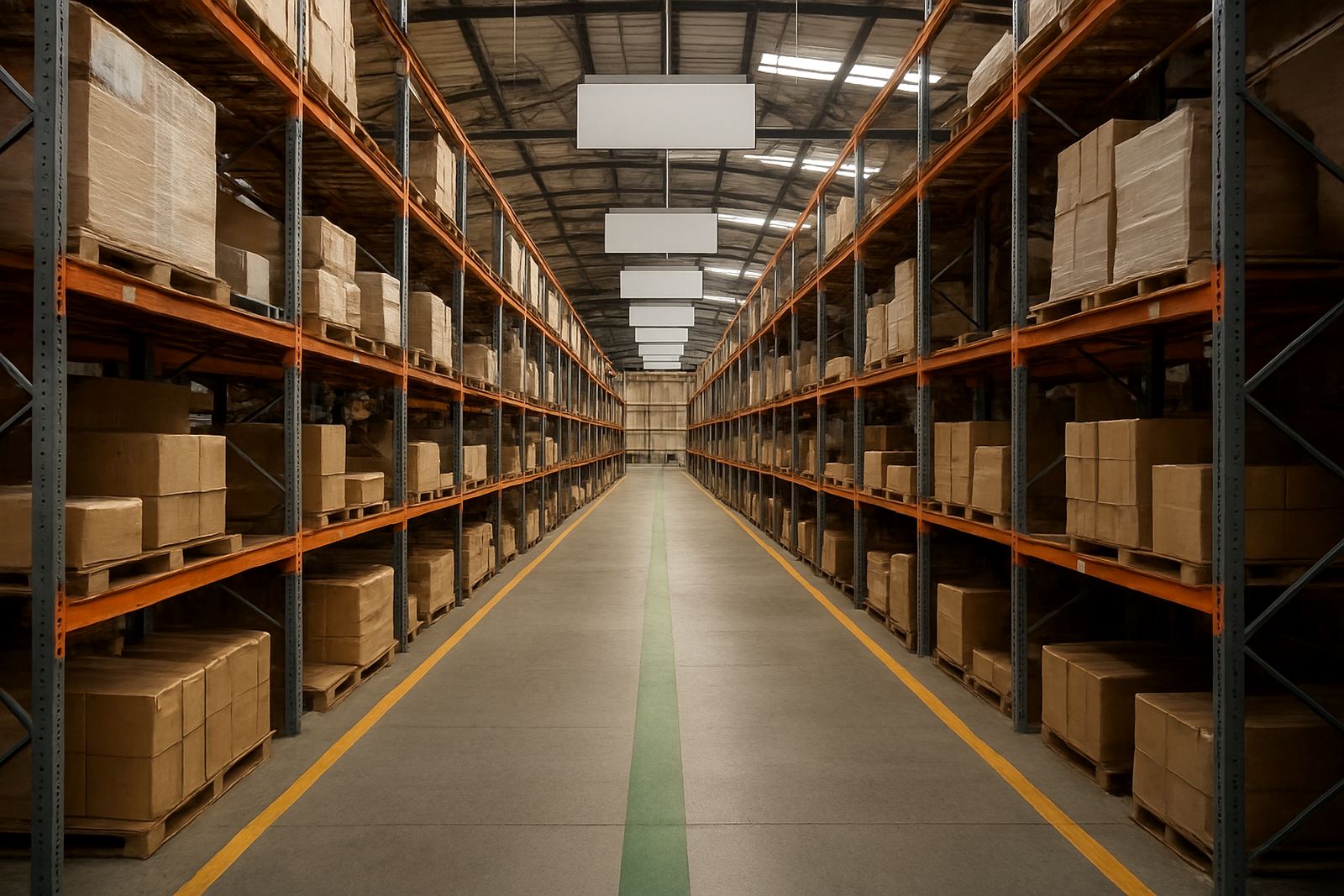
A mid-size warehouse in Briardene might have delivery trucks at the front, pallet storage in the middle and a small fabrication section at the back. Over time, the site can end up with mixed messages: one old no smoking sign near the entrance, a handwritten note on a roller door, and a few faded labels on the wall. That is enough for confusion, especially when casual staff or contractors arrive for short jobs.
A proper signage review would start with a site survey, then move to artwork setup, sign fabrication and installation. The outcome might include new forklift warnings at the loading bay, mandatory PPE signs at staff entry points, exit markers along the main route, and a clean set of wall notices for the workshop. If the company operates late shifts, reflective or illuminated signs may also be needed for the exterior. The point is not to add more signs than necessary, but to make sure the right message is seen in the right place.
For businesses serving eThekwini, Umhlanga, Pinetown and the North Coast, this practical approach saves time later. It also makes it easier for management to keep the site tidy and consistent when the floor plan changes.
Keeping your safety signage current after site changes
Safety signage is not a once-off job. New machinery, changed walkways, refurbished offices, shifted stock zones and updated access control all call for a review. A sign that made sense two years ago may now point people into the wrong aisle or mark a door that is no longer used.
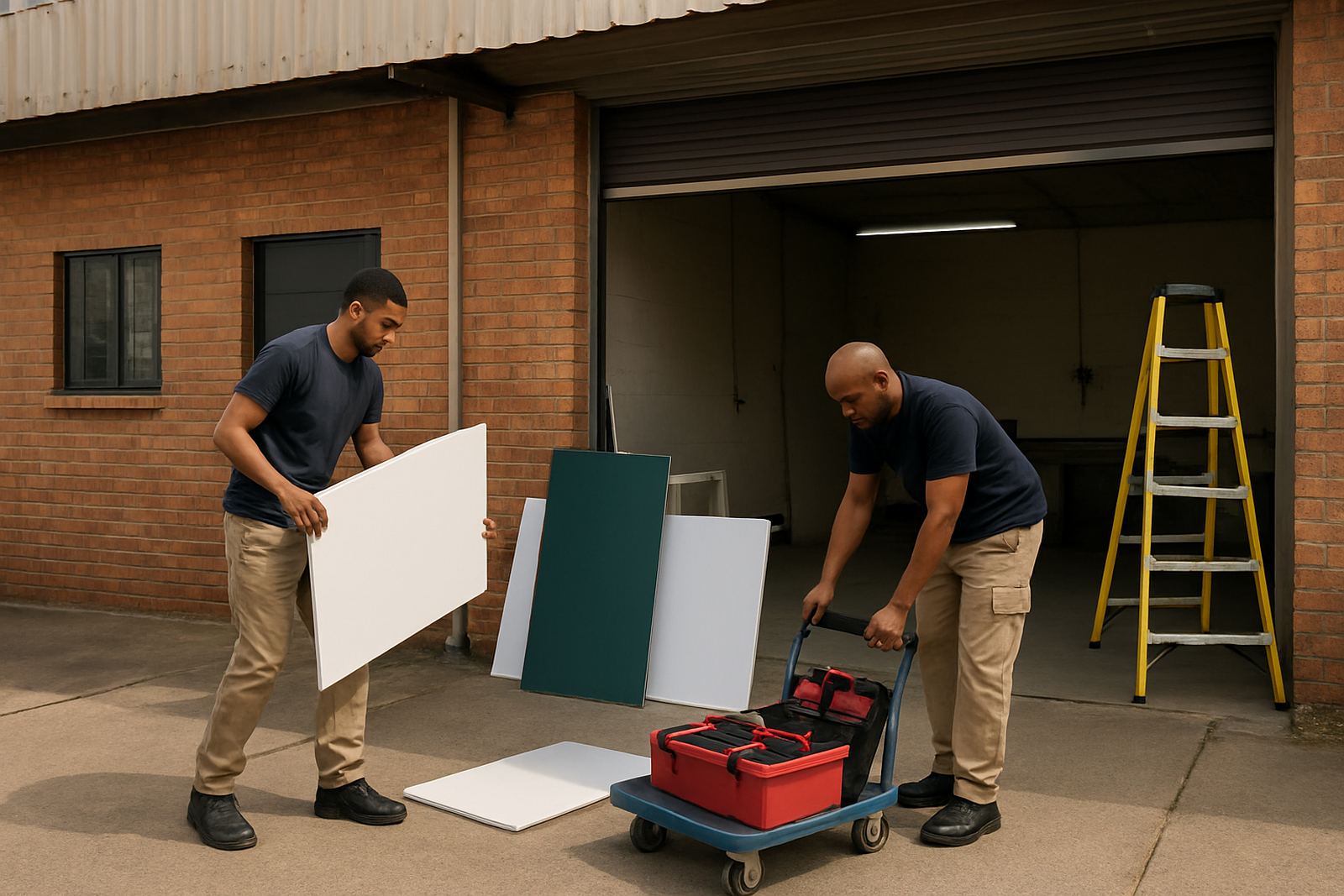
It is worth setting a routine check after maintenance shutdowns, tenant changes or equipment moves. Refurbishment may include replacing damaged panels, removing obsolete signs and installing fresh notices that match the current site plan. On larger premises, this can also cover vehicle installation points, shopfront notices and window frosting where privacy or controlled access is needed.
For practical support, many Durban businesses prefer working with a local team that can measure the site, produce the signs and install them properly. That keeps the process simple and reduces the chance of a sign being made too small, fixed badly, or left out altogether.