Why illuminated signs matter after 5pm in Durban
Unlike a plain sign that starts fading into the background at sunset, illuminated signage keeps working through the evening peak. That matters for anyone trading in a centre with mixed tenants, along a busy corridor, or on a site where street lights are not always enough. In eThekwini, where load-shedding can interrupt normal lighting, a well planned sign can still hold attention if it is designed properly and backed by the right power setup.
- Clear visibility from a distance
- Better daytime and night-time readibility
- Useful for retail, hospitality and service businesses
- Helps customers find you faster in heavy traffic
The practical value is in the first 3 seconds
A light box is not just about looking bright. It is about helping a driver, pedestrian or delivery rider make a fast decision. If your sign is too small, too busy or hard to read, the light will not save it. Good value comes from clean artwork, strong contrast and the correct size for the viewing distance.
For example, a shopfront on the Umhlanga ridge side may need a different face size than a pharmacy near a Pinetown arterial road. At slower pedestrian speeds, people have more time to read details. At road speed, they need a short name, clear lettering and a simple message. That is why site surveys matter before fabrication starts.
The team at BP Signs handles site surveys, artwork setup and sign fabrication in Briardene, Durban North, then manages installation across the region. Bongani Patrick Zulu leads the business, with support from Nokuthula Mkhize, Sashen Naidoo, Anele Dlamini, Priya Govender and Lindokuhle Khumalo. That mix of planning, production and fitting matters because a sign only pays off when it is installed properly and stays visible under local conditions.
What makes a good light box hold up locally
Durban weather is not gentle on exterior signage. Salt in the air, summer heat, strong sun and sudden rain can all affect how long a sign lasts. A proper light box should be built for outdoor use, with materials chosen for the site and the available power supply. If the area is prone to moisture or high humidity, the sign should be sealed and finished carefully to help reduce weather damage.
When a business is comparing options, these points usually decide whether the sign delivers value or creates maintenance headaches later.
- Correct frame depth for even illumination
- Strong face material that resists warping
- Clean internal layout for easy maintenance
- Weather-aware sealing for coastal areas
- Readable graphics, even from 20 to 40 metres away
- Installation that allows for safe future access
A sign that is easy to service is cheaper to keep over time. That is especially important where power interruptions, moisture or regular trading hours put extra pressure on a sign. If the structure has to be opened for maintenance, it should be done without damaging the face or wiring.
Where light boxes add the most trading value
Not every business needs the same signage setup, but certain sites benefit more than others. Any business that depends on visibility after dark, or that competes with surrounding shops and traffic noise, gets strong value from illumination. The goal is not to flood a site with light, it is to give customers one clear point of reference.
Light boxes work especially well for:
- Retail shops in busy centres
- Restaurants, takeaways and late trade sites
- Medical practices and service counters
- Petrol station forecourts and convenience stores
- Office parks and professional suites
- Franchise style shopfronts that need consistent branding
In places like Ballito, Verulam, Westville and Phoenix, a visible sign helps a business stand out in strips where every unit is competing for attention. In Tongaat and along parts of the North Coast, where evening travel can be patchy and lighting varies, an illuminated sign gives your premises a fixed visual marker that customers can find again and again.
A local example from a busy Durban road
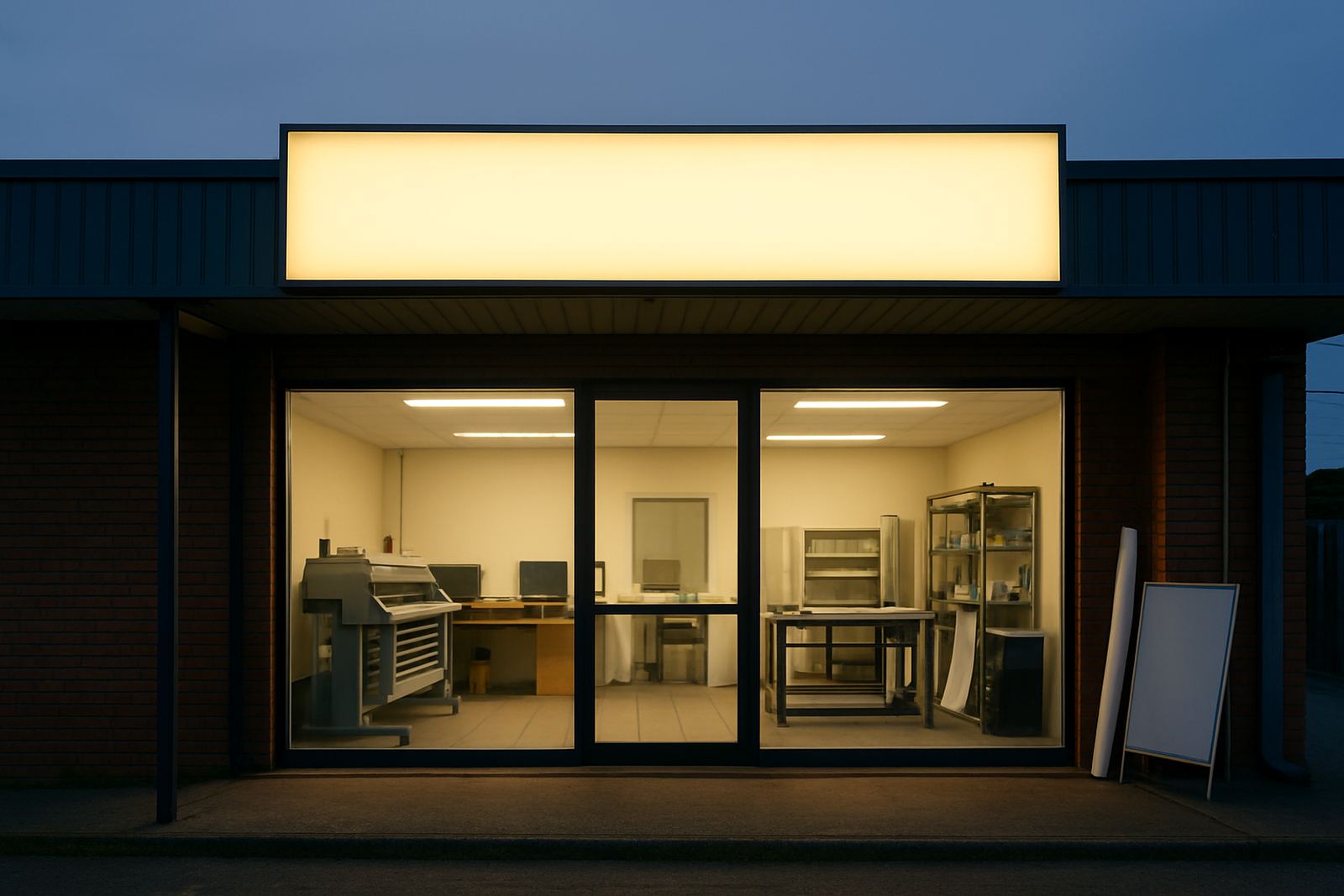
Consider a small takeaway operating near a high traffic junction in Durban North. During the day, passing customers can spot the frontage easily enough. After sunset, though, the shop front starts blending into the surrounding businesses. A simple light box above the entrance changes that. The name stays readable from the road, delivery riders find the unit faster and repeat customers stop guessing which shop is theirs.
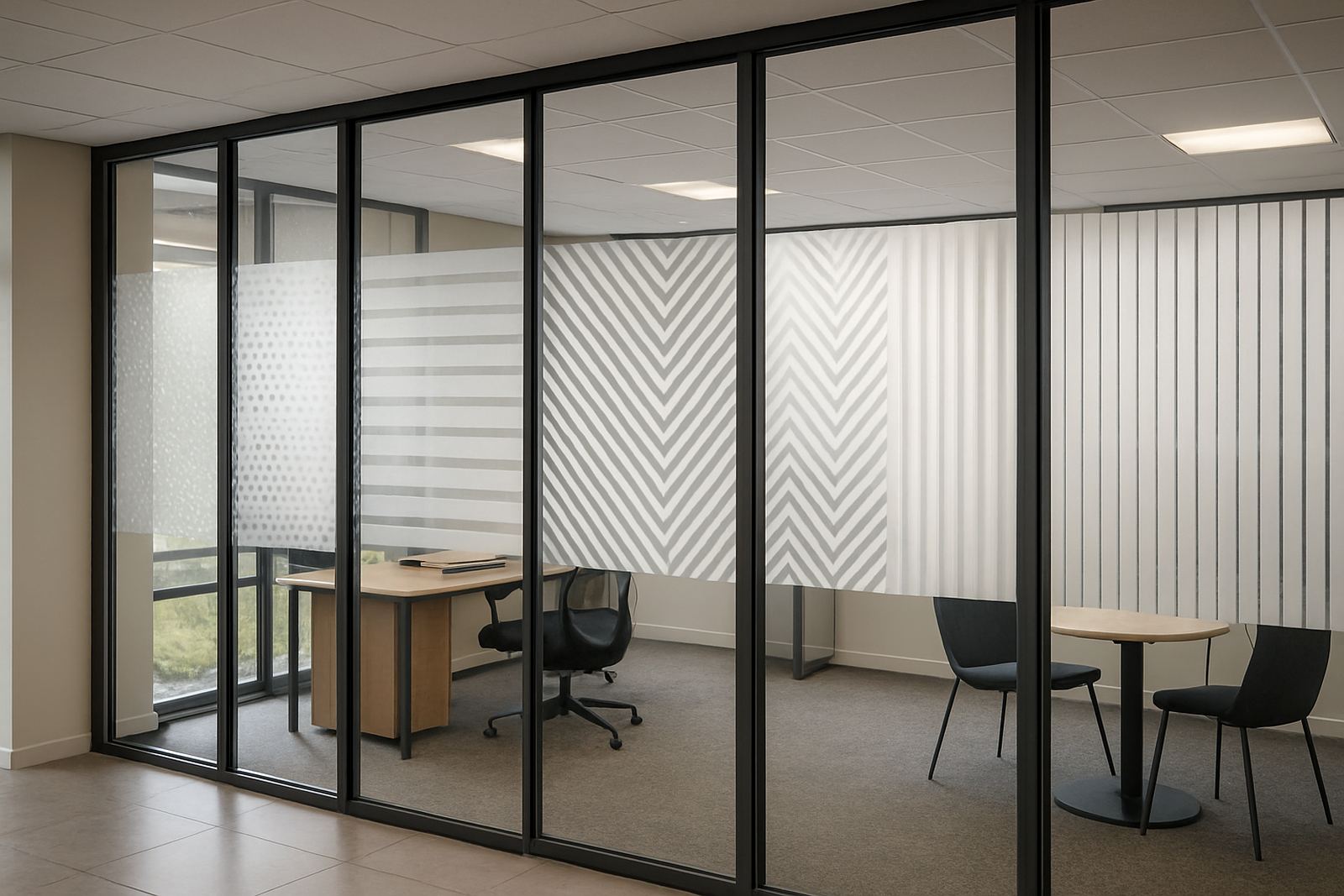
That same site may also need window frosting for privacy, a small contra-vision graphic on the glass, and a maintenance visit later if the unit is moved or rebranded. The sign package can be built in stages, but the illuminated face often gives the quickest return because it works every evening the business is open.
For many owners, the question is not whether a light box looks good. It is whether it helps trade. On a busy route, even one extra customer a night can justify the spend over time, especially when the sign helps people spot the business without slowing traffic or searching for parking twice.
Choosing the right size, finish and message
Good illuminated signage starts with the message. Keep it short, keep it readable and make sure the text suits the available space. If the sign carries too much detail, the glow can actually make it harder to read. If the logo is unclear in daylight, the light will not fix that either.
Before ordering, it helps to think through the following:
- How far away will most people first see the sign?
- Will the sign face pedestrians, vehicles or both?
- Does the site need one-sided or double-sided visibility?
- Will the sign work with the shopfront colours already in use?
- Is there stable power on site, or does the area need extra planning for outages?
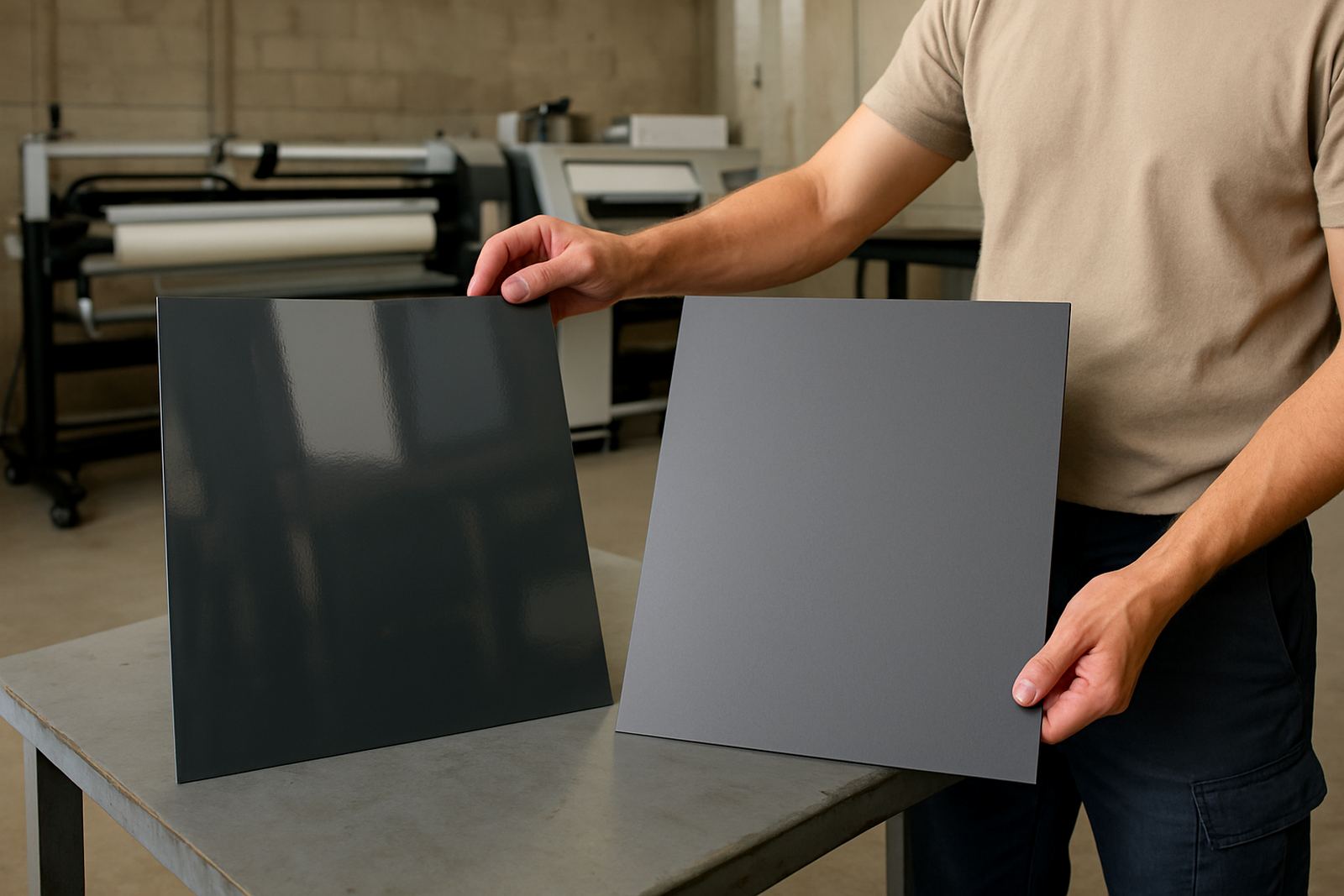
BP Signs works with vinyl cutting, digital printing, Chromadek, Perspex and ABS sign making, plus shopfront installation and refurbishments. That means the light box can be matched to the rest of the frontage, not treated as a separate item that looks bolted on after the fact.
The value of getting it installed properly
Even a well made light box can underperform if the installation is poor. Bad alignment, weak fixing points or careless wiring can shorten the life of the sign and create avoidable call-backs. On coastal and suburban sites alike, a clean install protects the value of the whole project.
That is why installation and aftercare matter as much as fabrication. A business may need a new sign, a removal of an old one, or a refresh after a tenant change. With scheduled maintenance visits, the sign can stay presentable and working instead of becoming a distraction or a safety risk. In a trading climate where every bit of visibility counts, that is money well spent.
For businesses trading across eThekwini and the North Coast, a light box is often one of the most practical signage choices available. It keeps working when the sun goes down, it supports evening trading and it gives customers a clear point of reference when they are on the move. That is real value, not decoration.