Signs that keep a factory moving safely
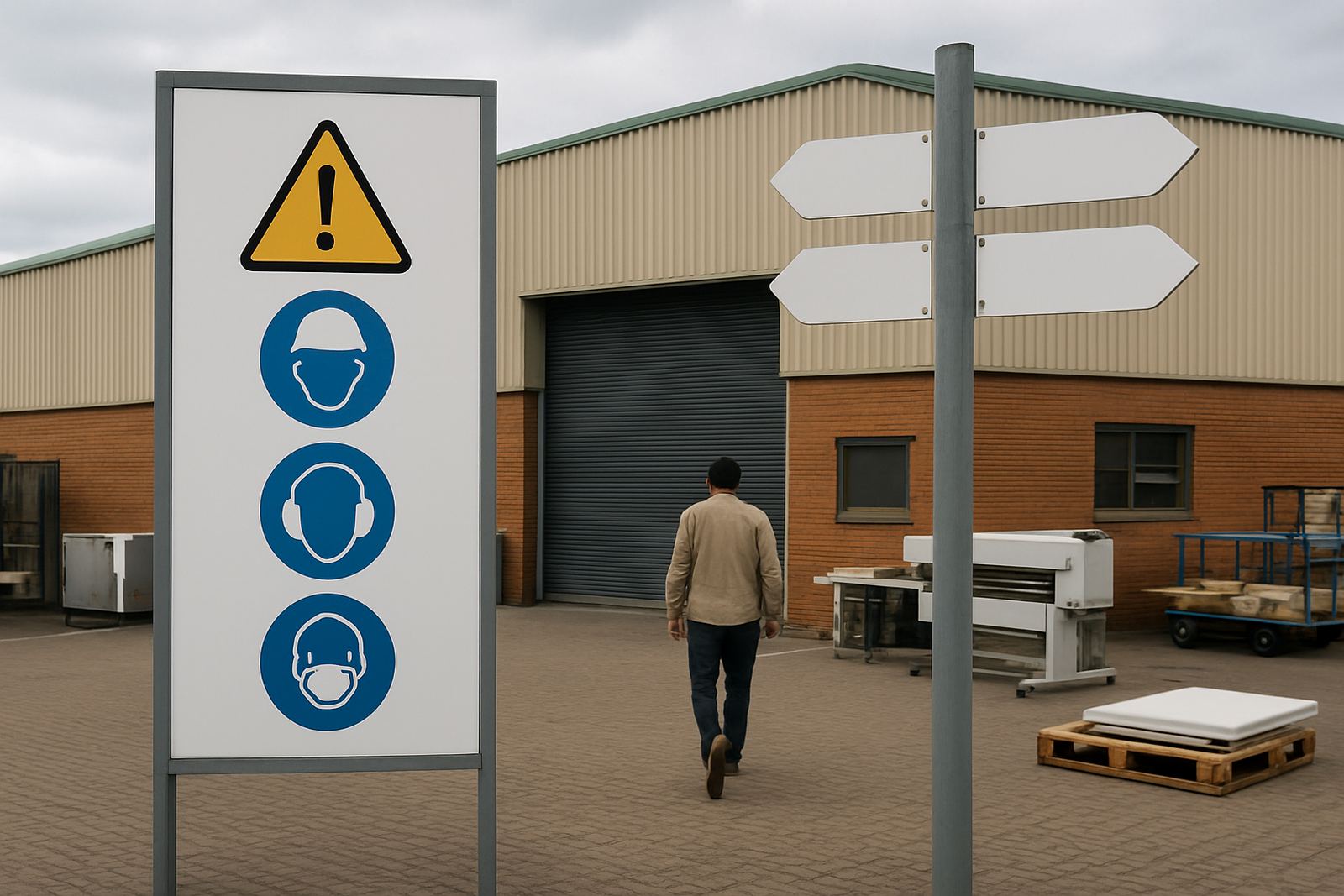
In a factory or warehouse, every sign has a job. Plant ID signs help teams find machines and services quickly, safety signs support compliance, and directional boards keep forklifts, staff and delivery vehicles in the right places. In Durban’s industrial areas, from Briardene through Pinetown and out to the KZN North Coast, the right sign system can reduce confusion at gates, loading bays and production lines.
BP Signs supplies and installs factory signage for new sites, expanding operations and older facilities that need a proper refresh. We work with site managers, maintenance teams and contractors to plan signs that suit the layout, the light levels and the way people actually move through the property. In humid coastal conditions, materials and fixings need to stand up to moisture, salt air and regular cleaning. A sign that looks fine on day one can fail fast if the wrong material is used.
Typical factory signage sets we supply
Most industrial sites need more than one type of sign. A proper set usually combines permanent identification, regulatory notices and practical wayfinding. Depending on the site, we may recommend a mix of rigid boards, printed panels, vinyl graphics and illuminated signs for entrances or reception areas.
- Plant and machine identification boards
- Safety and hazard signs
- Emergency exit and muster point signs
- Traffic flow and loading bay signs
- Warehouse aisle markers and rack labels
- Warning labels for restricted areas
- Window frosting and contra-vision for offices inside the plant
- Light boxes for entrances, guardhouses or reception points
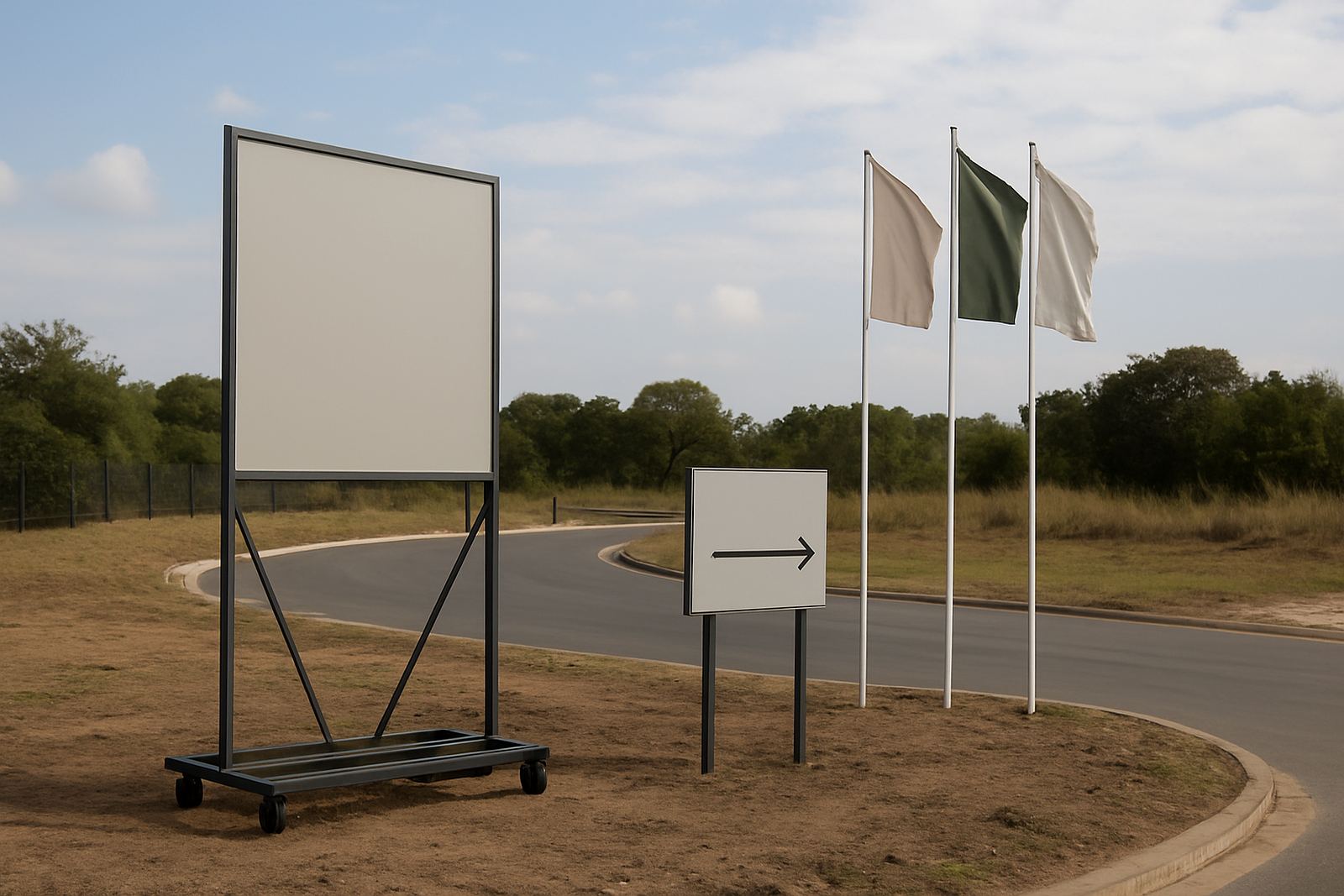
For outdoor areas, Chromadek-style metal signs are common because they hold up well in wind and sun. For indoor notice boards and machine labels, Perspex or ABS signs can give a cleaner finish. Vinyl cutting is useful for numbers, arrows, pipe marking and smaller messages. If a factory needs temporary signage for a shutdown or maintenance period, roll-up banners can work well at access points and contractor briefings.
Planning the layout before anything gets printed
Good factory signage starts with a site survey. We look at entrances, vehicle routes, pedestrian paths, high-noise zones, emergency exits and any places where staff or visitors may get turned around. A sign that is too small, too high or placed behind stock is wasted money. It should be seen in the right place and at the right distance.
For layout planning, it helps to map the site in sections. Gatehouse, admin block, production floor, warehouse, chemical store, yard, parking, loading area and waste area all need different messaging. In larger plants, clear numbering and colour coding save time during audits and emergency responses. We often suggest keeping wording short, using consistent arrow direction and allowing enough contrast for low light areas and busy backgrounds.
On some sites, contractors add too many signs in one spot and no signage where it actually matters. Others forget to match the sign size to the viewing distance, which makes instructions hard to read from a forklift cab or vehicle. A clean sign plan is usually better than a wall full of mixed messages and faded stickers.
Materials that work in Durban industrial conditions
Durban factories deal with heat, moisture, dust and in some areas heavy salt in the air. That means the material choice matters as much as the wording. BP Signs supplies and installs signs using materials suited to the location, whether the need is indoors, under cover or fully exposed to weather.
- Chromadek and similar coated metal for durable outdoor signs
- Perspex for clean, professional panels and directional signs
- ABS for lightweight internal boards and labels
- Printed vinyl with lamination for surface protection
- Contra-vision for glass areas where privacy is needed but light must remain
- Frosting film for offices, meeting rooms and controlled access areas
For illuminated work, light boxes are useful at entrances, reception points and night-time access areas. They help during load-shedding too, when a site still needs strong visual identification after dark. Where signs are mounted outdoors, correct fixings and proper sealing are important, especially near the coast. A poorly sealed panel can start lifting or rusting after the first wet season, and that becomes a maintenance job before the year is out.
Common mistakes on factory sites
Many factories only think about signage after a near miss, inspection or complaint. At that stage, the job is usually bigger and costlier than it needed to be. One common mistake is using a sign that looks good but does not match the actual process on site. Another is placing signs where pallets, trucks or parked vehicles hide them.
Some sites also mix fonts, colours and sizes until the whole place feels inconsistent. That makes it harder for staff and visitors to follow directions quickly. A third mistake is choosing indoor-grade material for outdoor use. In Durban North and along the coast, that often leads to faded print, peeling laminate and corroded fixings. It is also easy to forget maintenance access, so a sign gets mounted where no one can clean or replace it without a ladder and a bit of risk.
We also see factories skip refresher work after extensions or layout changes. Once a new bay, gate or store room is added, the signage should be updated too. Old labels left in place can send traffic the wrong way and cause delays at the worst possible times.
Budget ranges for factory signage in Rand
Factory signage budgets vary depending on size, material, mounting method and whether installation is needed. A small set of internal labels and safety notices may cost a few thousand Rand, while a full site package with outdoor boards, wayfinding, window film and light boxes will run much higher. The layout and quantity of signs often matter more than people expect.
As a practical guide, smaller jobs can start from about R1 500 to R5 000 for basic printed and cut vinyl items. Mid-size site packages often fall in the R6 000 to R25 000 range when there are multiple boards, markers and installed panels. Larger industrial projects, especially those with entrance signage, illuminated units and full factory wayfinding, can move into the R30 000 to R80 000 plus range. If a site needs removals, refurbishment or maintenance visits, that is usually priced separately based on access and condition.
For the best value, it helps to group signage into one project instead of adding bits and pieces over time. That usually gives a cleaner result and keeps the colours and fixing methods consistent.
How BP Signs handles factory signage projects
Based in Briardene, Durban North, BP Signs works across eThekwini, Umhlanga, Pinetown and the KZN North Coast, with branches and service coverage reaching Durban North Signs, Umhlanga Signs, Pinetown Signs, Ballito Signs, Tongaat Signs, Verulam Signs and Westville Signs. Our team includes Bongani Patrick Zulu, Nokuthula Mkhize, Sashen Naidoo, Anele Dlamini, Priya Govender and Lindokuhle Khumalo, and we handle the work from survey through to installation.
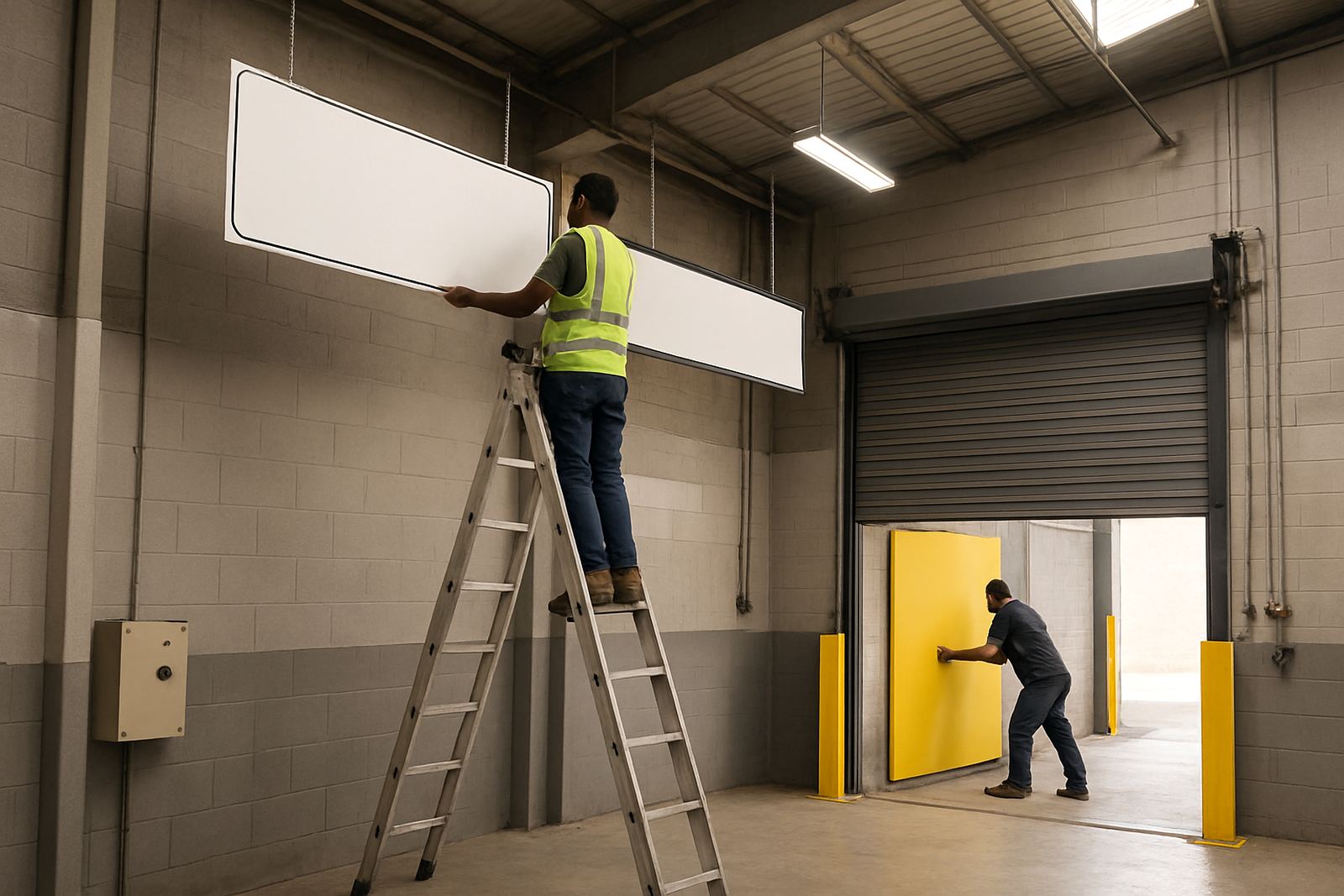
The process usually starts with a site survey, then artwork setup, material choice and fabrication. From there we manage print, lamination, fitting and any sign removals or maintenance visits that are needed. If your factory needs clear plant identification, safer traffic flow or better control over visitor movement, send an enquiry through the contact page and we’ll work through the practical details with you. For busy sites, it is often best to do the job in phases so operations can continue without major interruptions. A bit of planning upfront saves a lot of back tracking later.