When a sign needs more than a clean
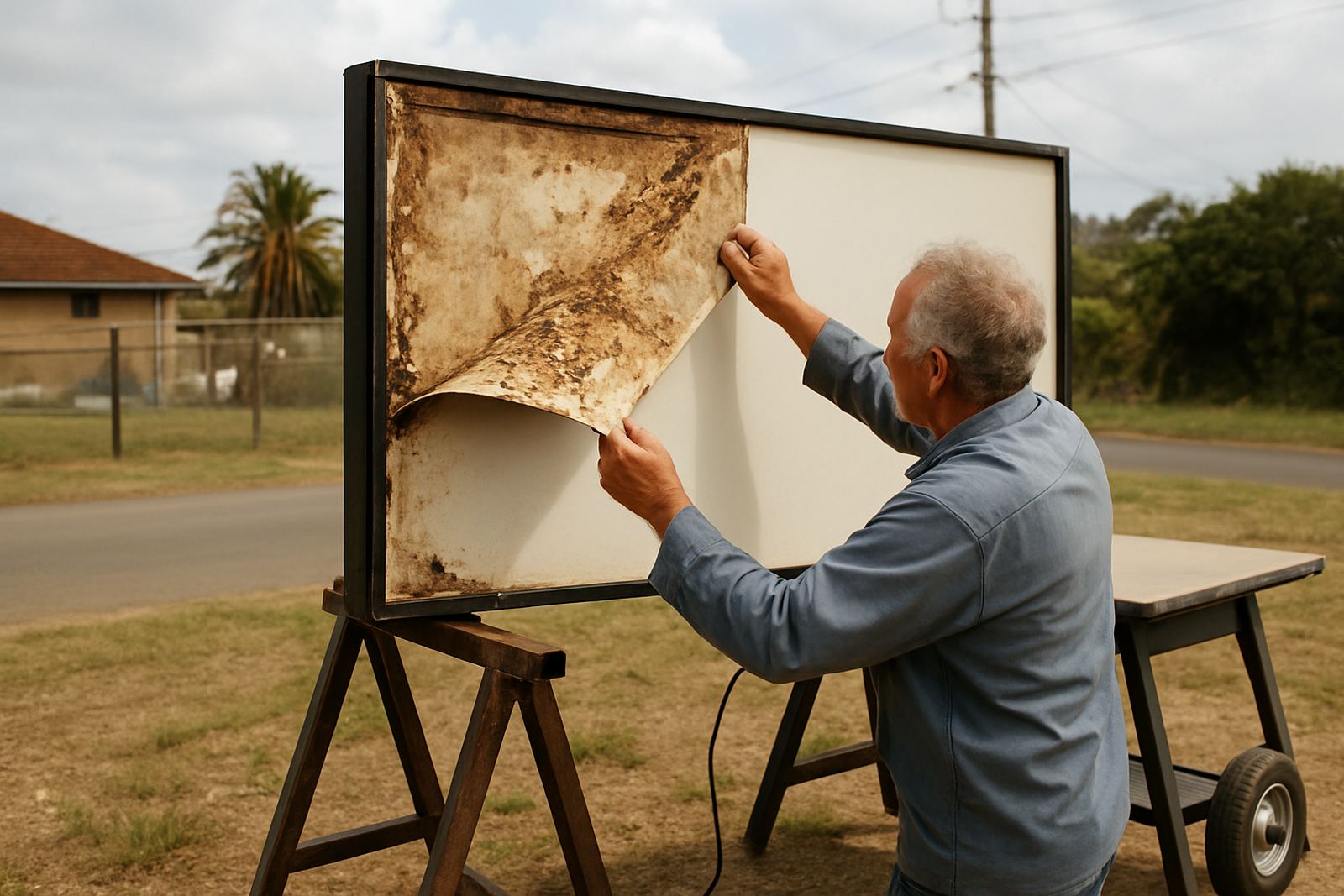
Signs take a beating in Durban. Salt air, strong sun, rain, and load shedding related power cuts can leave a light box dim, a shopfront face faded, or a pylon looking patchy after a few years. Refurbishment is the practical option when the frame is still sound but the outer finish no longer reflects your brand.
We assess the structure first, then recommend the most cost effective fix. That may mean replacing the printed face, applying new vinyl, repainting metalwork, changing Perspex inserts, or upgrading the lighting inside a box sign. If the sign is mounted well and the frame is serviceable, refurbishment can save a lot compared with a full new build.
- Faded colours, cracked vinyl, or peeling laminate
- Lettering that no longer matches current branding
- Scratches, rust spots, or weather damage
- Dim lighting in illuminated signs
What is included in a refurbishment job
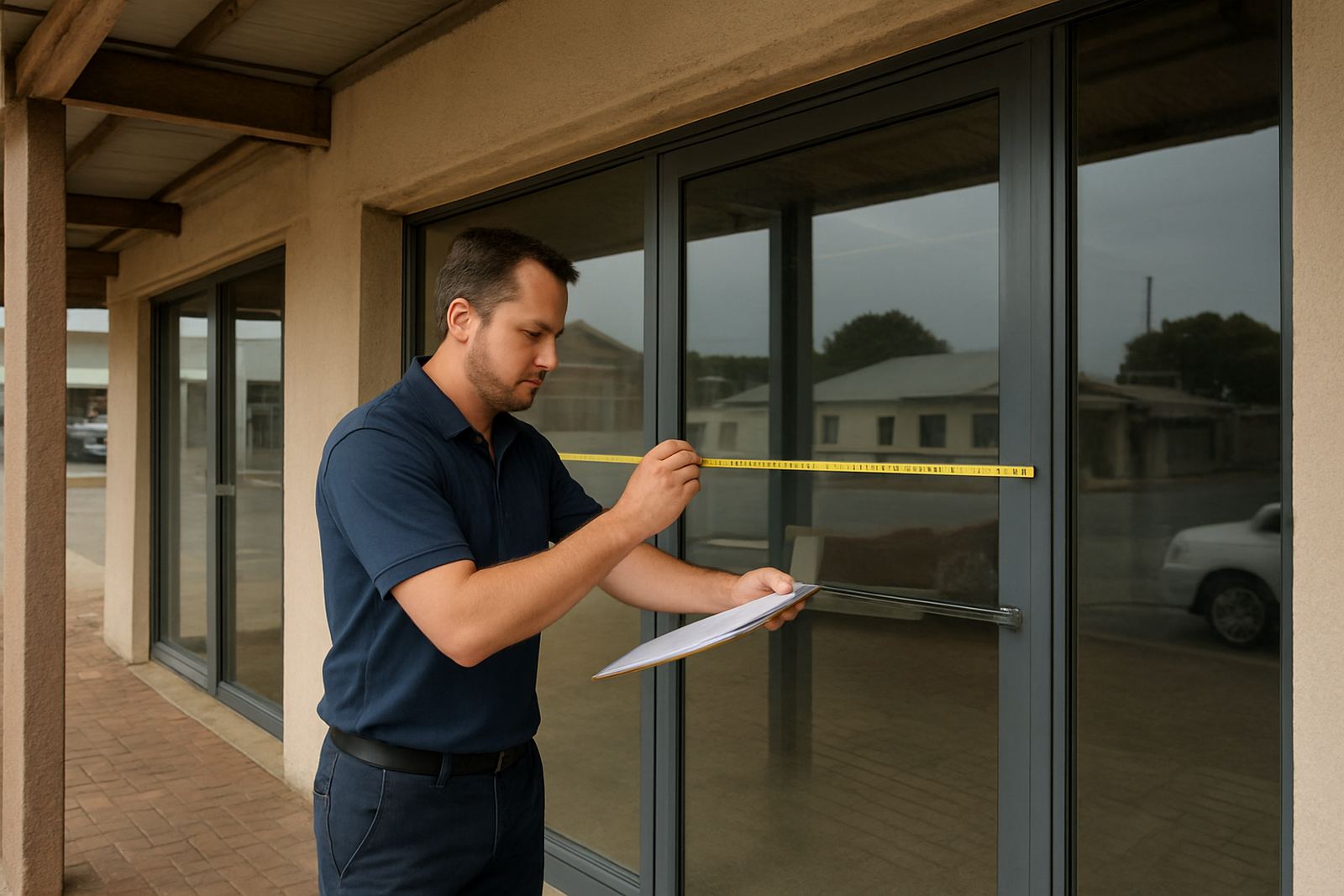
Every job starts with a site survey and a close look at the existing sign, fixings, and access requirements. For shopfronts and roadside signs, we also check whether the sign needs to stay in place while work is done or be removed and refurbished off site. That helps us plan around trading hours, traffic and municipal access rules where needed.
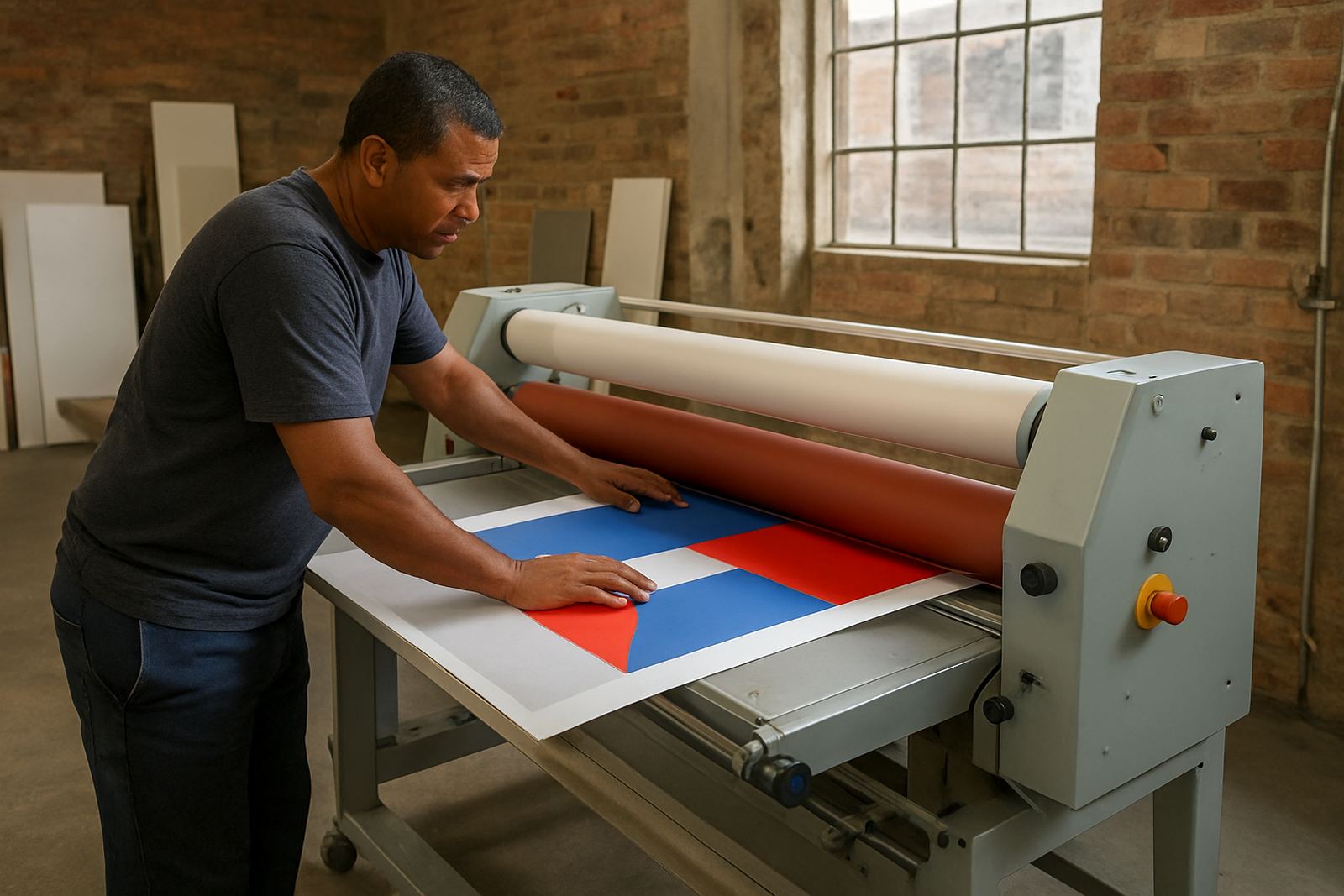
Typical refurbishment work can include new print panels, vinyl cutting and application, repainting of steel or aluminium parts, replacement of Perspex or ABS faces, LED or fluorescent lighting changes, and sign cleaning before reinstallation. If the sign includes frosted film or contra-vision on glazing nearby, we can update that at the same time so the whole frontage lines up properly.
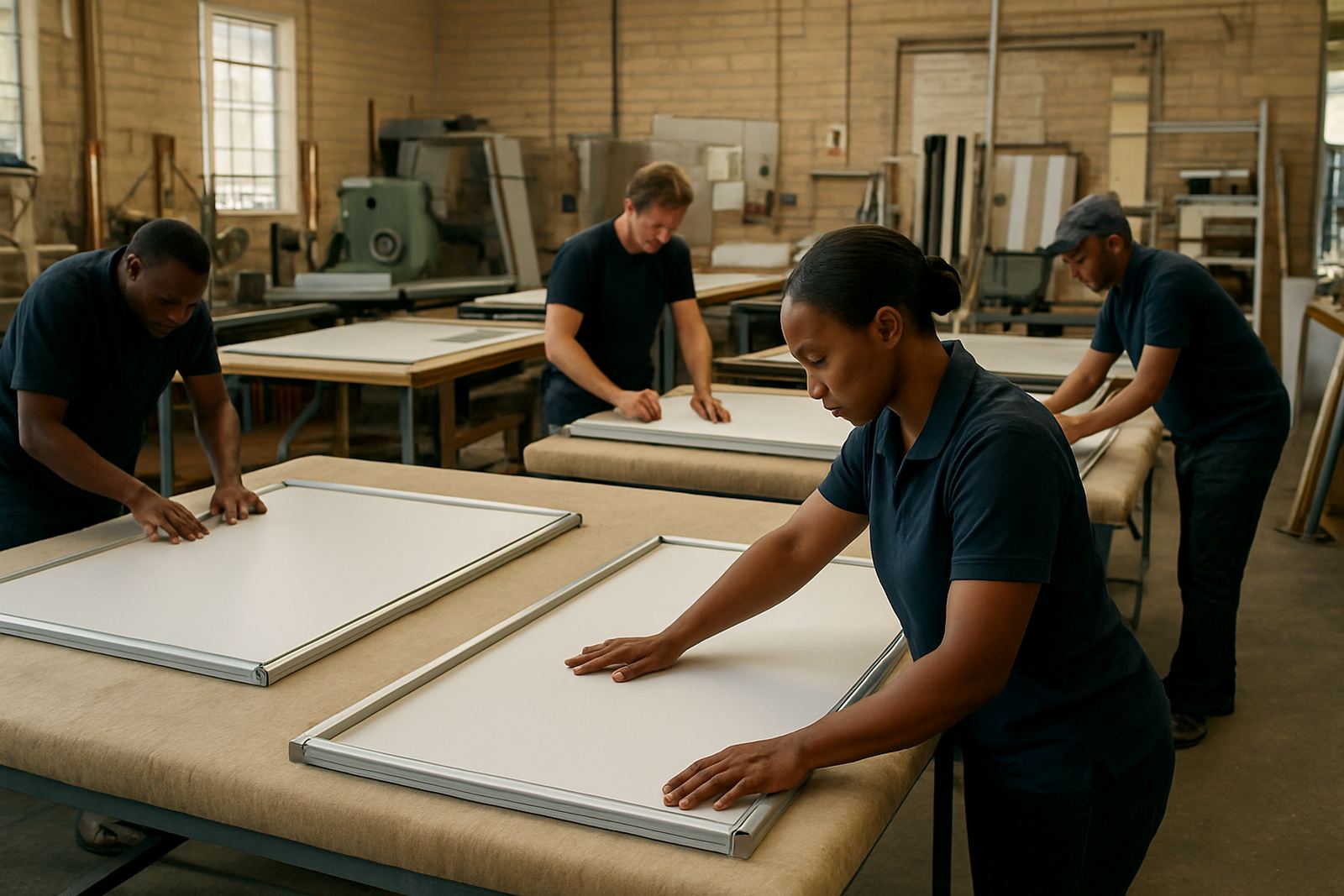
- New sign faces in ACM, Chromadek, Perspex or ABS
- Digital print, cut vinyl, laminated finishes or paint touch ups
- Electrical checks for illuminated signs
- Removal, refit and final alignment on site
How the refurbishment process works
We keep the process straightforward. After the initial enquiry through the contact form, we arrange a survey in Briardene, Durban North or at your site across eThekwini, Umhlanga, Pinetown or the North Coast. Once we have measurements and photos, we prepare the artwork or update existing files, then confirm materials and installation timing.
Most refurbishments follow four clear steps: survey, quote, production, and installation. If a sign can be repaired on site, we do that. If it needs to come down, we remove it carefully, carry out the work at our premises, then reinstall it with the correct fixings and sealants. For coastal areas we use materials and coatings suited to humid conditions so the finish lasts better near the sea.
- Step 1: Site survey and condition check
- Step 2: Artwork setup and material selection
- Step 3: Fabrication, printing or repainting
- Step 4: Reinstall, test and tidy the area
Turnaround times and what affects them
Turnaround depends on the condition of the sign, the size, and whether any electrical work is involved. A simple face change or vinyl refresh may be turned around quickly, while a full strip, repaint and rewire takes longer. If access equipment is needed, or the sign is high above ground, planning time is added so the job is done safely.
As a guide, smaller refurbishments can often be completed in a few days once the artwork is approved and materials are ready. Larger projects, especially shopfront installations or multi-panel signs, can take a week or more. We always aim to keep disruption low, and where possible schedule work outside your busiest trading times.
- Simple face or vinyl changes: usually 2 to 4 working days
- Medium refurbishments with repainting: about 4 to 7 working days
- Complex illuminated or high level signs: timing confirmed after survey
Pricing that matches the actual work needed
Refurbishment pricing is based on the real condition of the sign, not a one-size-fits-all rate. A sign with a sound frame and a new face will cost less than one that needs rust treatment, rewiring, and new mounting hardware. We price according to size, access, material choice, print method, and whether removal and reinstallation are required.
That approach keeps the quote honest and practical. If a section can be kept and reused, we will say so. If the existing structure is not worth repairing, we will advise on a replacement instead. The aim is to spend money where it gives you the best result, not just patch up a sign that will fail again soon.
- Quoted after survey so you know what is being repaired
- Separate pricing for removal, fabrication and installation where needed
- Material options to suit budget and coastal exposure
Keeping refurbished signs looking good
Once a sign has been refreshed, basic maintenance helps it stay presentable for longer. We recommend periodic checks for loose fixings, water ingress, faded print, lifted vinyl and failed lighting. In Durban and along the KZN coast, salt build up can shorten the life of exposed metal and electrical parts, so routine attention matters.
For most commercial sites, a maintenance visit every 6 to 12 months is sensible. Signs close to the coast, busy roads, or full sun may need closer inspection. If a face starts to bow, or a light box shows dark patches, it is better to deal with it early before a small issue becomes a full replacement job. It saves money and keeps the frontage looking tidy.
- Inspect fixings, seals and mounting brackets
- Check print, paint and laminate condition
- Test lighting and weatherproofing
- Plan touch ups before damage spreads
Key facts
| Service area | Briardene, Durban North, eThekwini, Umhlanga, Pinetown and the KZN North Coast |
|---|---|
| Common materials | Chromadek, Perspex, ABS, aluminium, vinyl and laminated print |
| Refurbishment types | New faces, vinyl updates, repainting, lighting changes and reinstallation |
| Access work | Shopfronts, roadside signs, wall mounted signs and illuminated boxes |
| Typical turnaround | 2 to 7 working days depending on condition and approvals |
| Maintenance interval | Every 6 to 12 months, sooner for coastal sites |