Temporary Boards That Carry the Right Project Message
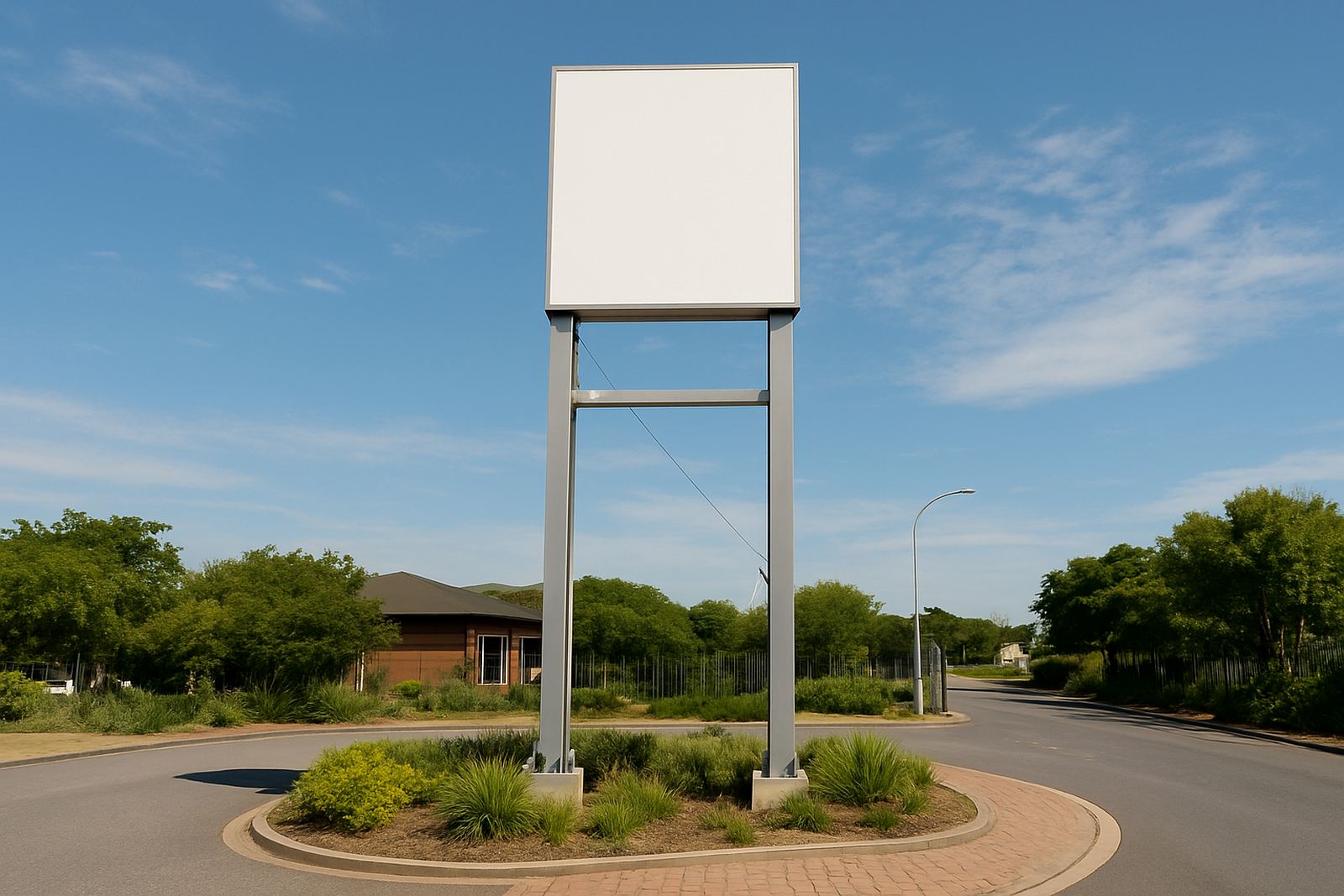
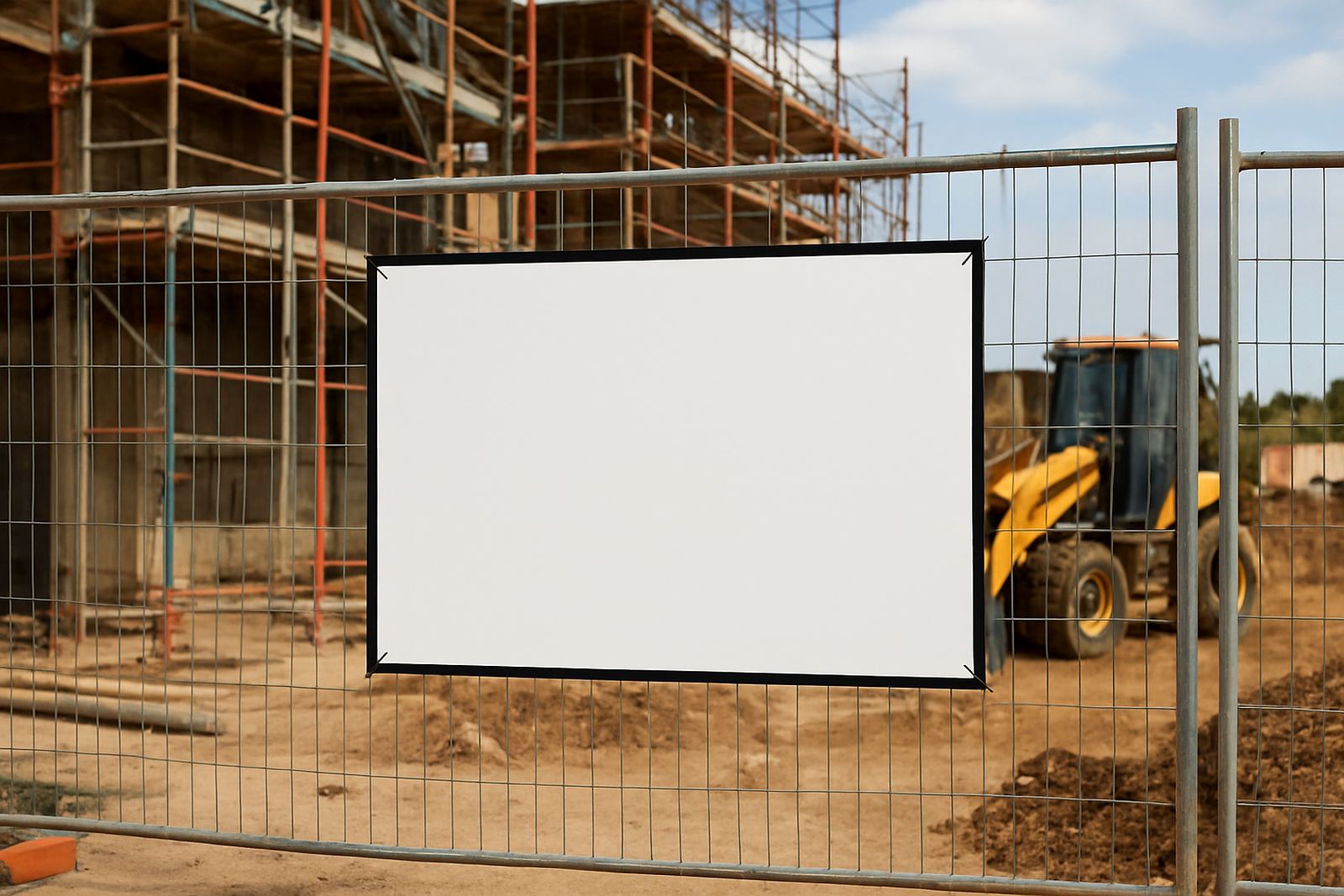
Construction boards are the temporary signs used on building sites, developments and refurbishments to show who is on site, what is being built, and who to contact for enquiries. They are commonly fixed at entrances, along boundary lines or on hoarding so the public, tenants and inspectors can see the project details from the road.
In Durban and the surrounding areas, these boards need to handle strong sun, coastal moisture and regular dust from active sites. We produce boards for short term projects and longer builds, using durable print and rigid substrate options that hold up well outdoors. If your site changes often, we can also make boards that allow for updated contractor names, phased messaging or revised approvals without replacing the full panel.
Typical uses include residential estates, commercial builds, warehouse upgrades, school projects and municipal work. The board can carry the developer name, principal contractor, architect, professional team, safety notices and branding. If needed, we can also add a QR code or simple directional message for visitors, drivers and deliveries.
- Development and construction site identification
- Contractor and professional team details
- Health and safety notices
- Project branding for public visibility
- Directional and access messaging for site traffic
Board Sizes, Materials and Print Options
Construction boards are usually made to suit the available wall, fence or hoarding area. Common sizes include 1200 mm x 2400 mm, 1500 mm x 3000 mm and larger custom panels for street-facing sites. We can also cut to fit a specific frame or boundary section if your site layout is irregular.
Material choice depends on how long the board must last and where it will be fixed. For shorter term work, lightweight printed boards can be cost effective. For stronger outdoor use, rigid sign board, Chromadek, or Perspex face panels may be more suitable. Where the site has wind exposure, we can advise on fixing points and whether the board should be mounted with a frame or direct fasteners.
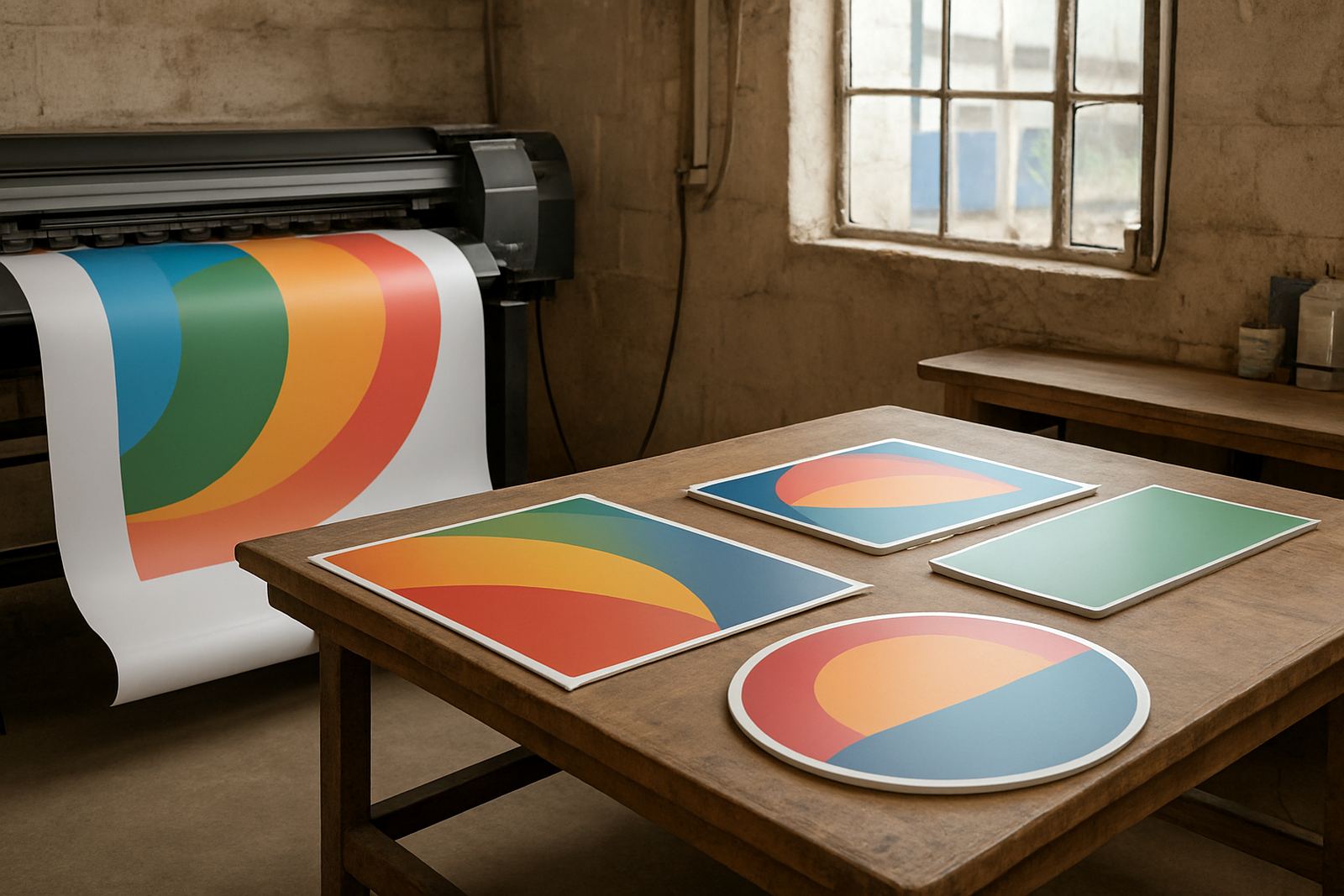
Printing is done in full colour with clear text sizing so key details remain readable from the road. Laminated finishes can be added for extra surface protection, especially where the board may be exposed to dust, sand or regular cleaning. If the board needs a clean corporate look, we can combine printed graphics with vinyl cut lettering for sharper presentation.
- Standard sizes and custom cut formats
- Rigid outdoor substrates for site use
- Full colour printing and vinyl lettering
- Optional print lamination for added protection
- Weather-friendly materials for coastal areas
Where Construction Boards Work Best
These boards suit any active site where visitors, neighbours or authorities need clear information. They are especially useful at new housing developments, office parks, retail centres, industrial upgrades and public works where a single sign needs to carry several names and messages at once.
In eThekwini, Umhlanga, Pinetown and the KZN North Coast, many sites are visible from busy roads so the board becomes part of the project’s public face. At the same time, local municipal rules and estate requirements often mean the wording must be neat, accurate and easy to update. We can help prepare the layout so it fits the space available and still stays within the allowed line of sight.
Construction boards are also practical when access is controlled. They can show security contact details, site hours, delivery instructions and safety notices for trades and contractors entering the property. For sites in windy or open locations, the fixing method matters just as much as the print, so we look at the wall condition, fence structure and any vibration or movement that may affect the panel over time.
- Residential developments and estate entrances
- Commercial and industrial building sites
- Public works and municipal contracts
- Refurbishments where branding must stay visible
- Sites with delivery control or visitor access points
Installation, Fixings and Site Power Considerations
We handle installation across Briardene, Durban North, Umhlanga, Pinetown and surrounding areas. Before fitting, we can do a site survey to check the mounting surface, board size, access and any obstructions like gates, lighting poles or uneven boundary lines. This helps avoid last-minute changes on site and keeps the board properly aligned.
Most construction boards do not need power. A printed board with rigid mounting is usually enough for standard site identification. If you want a lit sign panel, such as a light box style board or illuminated project board for night visibility, then power supply becomes necessary and the route for cabling must be planned. In some cases, we can work with existing site power, but the board position has to be checked for safe access and protection from weather.
Where gas is mentioned, it is generally only relevant if the board is part of a larger temporary structure with special lighting or site operations nearby, not the sign itself. For normal construction boards, the main needs are a suitable fixing surface, safe access for installers and enough clearance for drilling or anchoring. On coastal sites, we recommend fixings that resist corrosion because regular salt air can shorten the life of ordinary hardware.
- Site survey before fabrication if required
- Direct wall, fence or hoarding mounting
- Illuminated options need planned electrical access
- Corrosion resistant fixings for coastal sites
- Safe access for installation and future removal
Care, Cleaning and Ongoing Servicing
Construction boards are made to be practical, but they still need basic care. Dust from earthworks, overspray from nearby trades and general site grime can build up quickly, especially on boards facing traffic or open ground. A soft cloth, mild soap and water are usually enough for cleaning. Harsh solvents should be avoided because they can damage print, laminate or the surface of certain substrates.
If the project changes, the board can often be updated rather than replaced. We offer maintenance visits, sign refurbishment and sign removals when the board must come down at handover or move to another phase of the job. This is useful for developments where contractor names, approval details or completion dates change more than once during the build. It also helps keep the site looking organised, which matters when clients or inspectors visit unannounced.
If a board is exposed to strong wind, direct sun or regular vehicle movement nearby, it is worth checking the fixings every few months. Loose fasteners, bowed panels and faded graphics are signs that attention is needed. A board that is still straight and legible reflects better on the project and avoids avoidable questions at the gate.
- Clean with mild soap and soft cloth only
- Check fixings after strong wind or heavy rain
- Replace faded or damaged graphics early
- Use refurbishment where possible to save cost
- Remove boards cleanly at project handover
What To Confirm Before You Place An Order
Before ordering a construction board, it helps to confirm the final wording and the exact list of names to appear. This includes the developer, contractor, consultant team and any required approval wording. Spelling matters, and so does the order in which the names are shown. If the client wants the board to match an existing corporate look, we can work from supplied artwork or set the layout up from scratch.
You should also check the site measurements, where the board will be fixed, and whether the board must be visible from one direction or two. If there is a fence or hoarding already in place, it is useful to know the material type and height before production starts. On busy roads, higher contrast layouts often work better than a very busy design, because the information needs to be read quickly by passing traffic.
For sites in Durban North, Umhlanga, Pinetown and the North Coast, weather exposure can affect the material choice, so the location is important. Send through the board size you want, the text that must appear, and any deadline for install. That lets us plan the artwork, fabrication and fitting without delays, and it helps avoid rework later on. One clean order is always easier than a rushed reprint.
- Confirm the exact wording and spelling
- Check final board size and mounting position
- Tell us if the board faces traffic or pedestrians
- Advise on any approval or estate requirements
- Share the installation deadline early
Key facts
| Common sizes | 1200 mm x 2400 mm, 1500 mm x 3000 mm, or custom cut |
|---|---|
| Materials | Printed board, Chromadek, Perspex face, rigid sign panel |
| Print method | Full colour digital print with vinyl cutting options |
| Finish | Optional lamination for extra surface protection |
| Mounting | Wall, fence, hoarding or frame fixed |
| Use period | Short term site boards through to longer project signage |