What a partial wrap does on the road
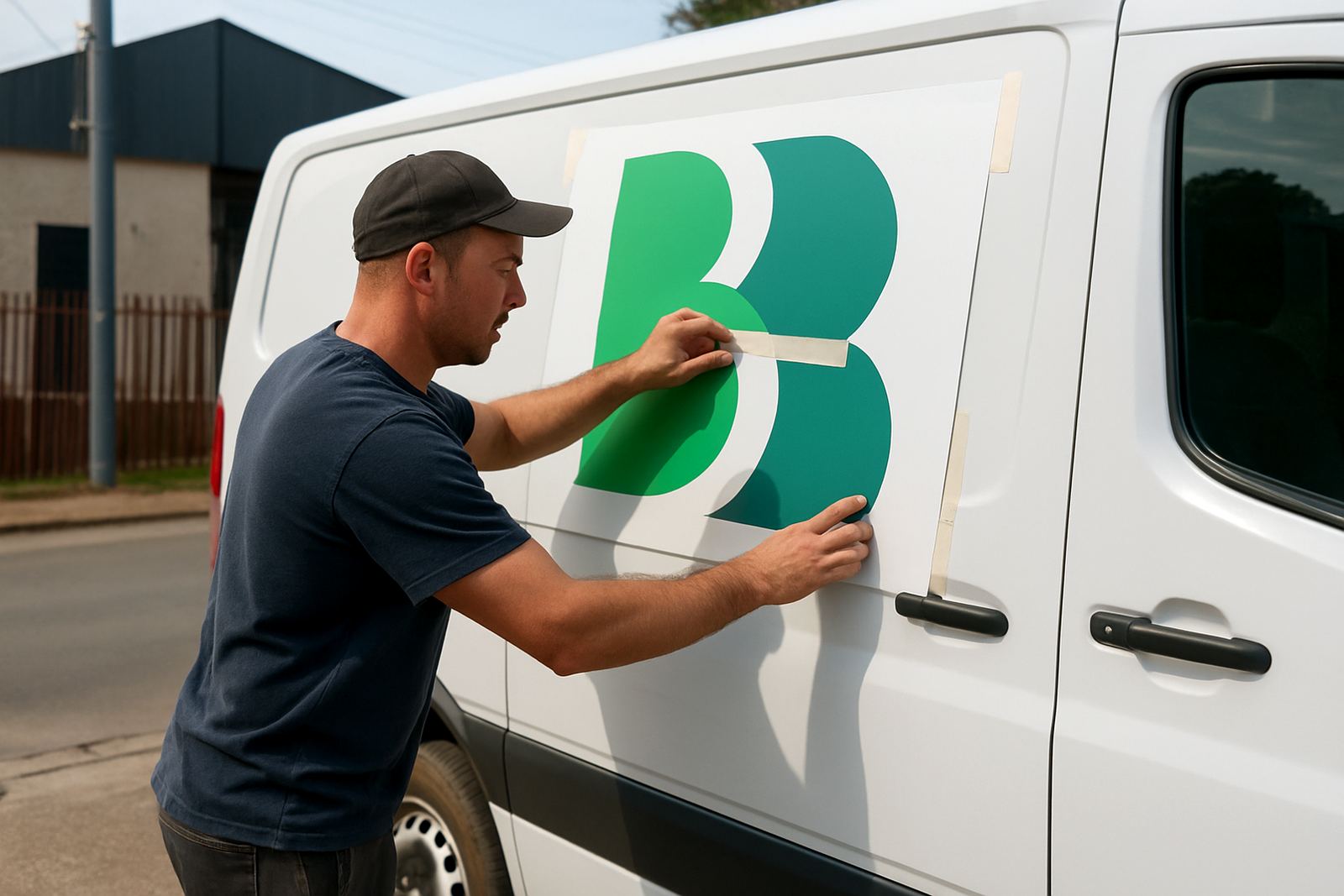
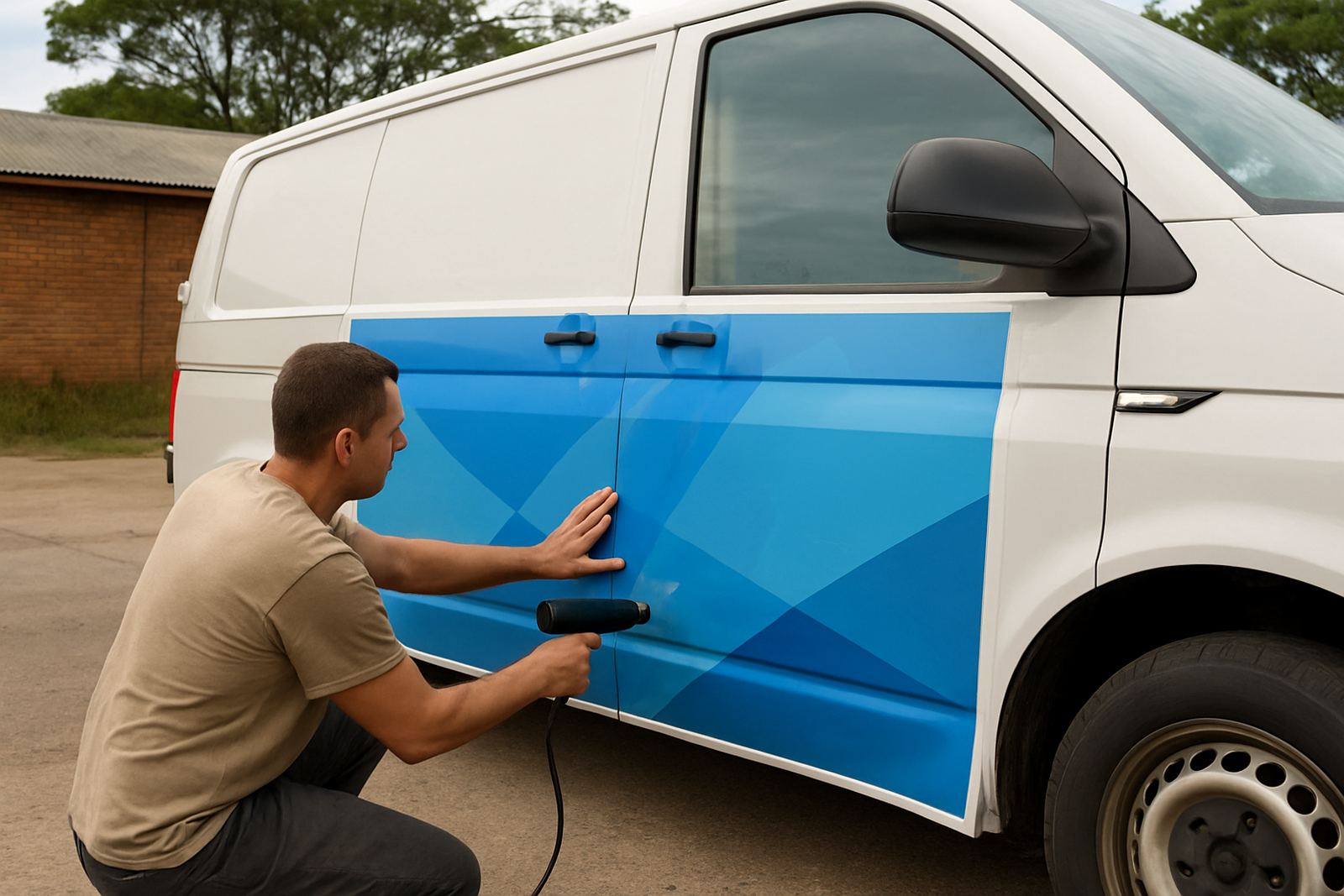
A partial wrap uses printed vinyl, cut vinyl or a mix of both to cover selected panels on a vehicle rather than the full body. Common areas include the bonnet, rear doors, side panels, tailgate, roof strips and lower sections of a bakkie or panel van. The result is a clean branded look that still lets the original paint show through in the right places.
This is a practical choice for companies that want visible branding on a working vehicle, but do not need full coverage. It is especially useful for service vehicles, sales fleets, courier vans, trades vehicles and mobile teams moving between Briardene, Umhlanga, Pinetown and the wider eThekwini area. On busy roads, a partial wrap can carry your logo, contact details and service message clearly, even when the vehicle is parked in sunlight or caught in traffic.
Because the design is built around the shape of the vehicle, it can be tailored to suit branded panels, striping, colour blocks, reflective details and cut lettering. In many cases it gives a strong visual presence for less material and less fitting time than a full wrap, which helps if you are managing multiple vehicles or rolling out branding in stages.
Sizes, panel coverage and finish choices
There is no single size for a partial wrap, since every vehicle has different panel sizes and curves. A hatchback will need a very different approach from a 1 ton bakkie or a high roof van. We work from site measurements or vehicle details and then plan the artwork around the body lines, door gaps, handles, fuel caps and glazing.
Typical partial wrap coverage can include one or more of the following:
- Rear doors or tailgate branding for delivery and service vehicles
- Side panel graphics with large logos and contact details
- Bonnet or roof accents for stronger street visibility
- Lower body wrap sections to give a fleet look without full coverage
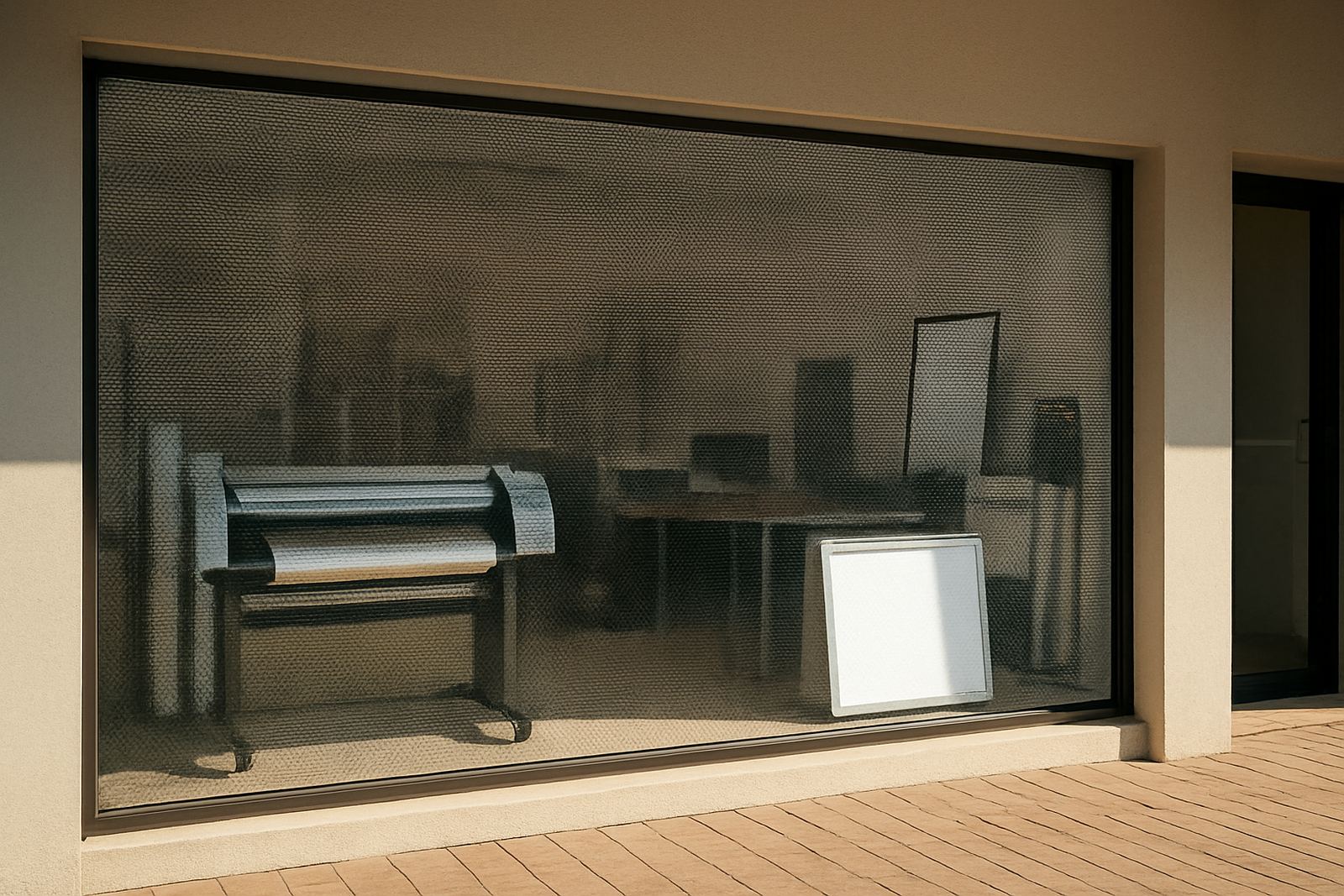
- Window graphics using contra-vision where privacy or airflow is needed
For finish options, most clients choose a gloss look for strong colour and easy cleaning, while matt can suit muted branding or darker vehicle colours. Lamination is recommended for outdoor use, especially in Durban where strong sun, salt air and frequent washing can affect print life. We can also include cut vinyl lettering, one way vision on rear windows and printed panels that match the vehicle colour. A well planned partial wrap should look intentional, not patched together.
Where partial wraps suit best
Partial wraps work well for companies that need professional branding but still want to manage costs sensibly. They are ideal when the vehicle is already in good condition and the original paint is a suitable base colour. They also work well where the brand uses a strong colour block or a simple layout that does not require every surface to be covered.
These are common uses for partial wraps across Durban North, Westville, Phoenix, Tongaat, Verulam, Ballito and nearby areas:
- Plumbers, electricians and HVAC teams with service bakkies
- Couriers and logistics operators with panel vans
- Retail and promotional fleets that need repeating brand exposure
- Real estate and field sales vehicles that need clear contact details
- Construction and maintenance vehicles that need a tidy, identifiable look
They are also useful when a company needs signage that can be applied quickly to one vehicle first, then extended across a larger fleet later. For businesses working in coastal humidity or on rougher routes, a partial wrap can be easier to maintain than heavier full coverage, especially if the vehicle is washed often or kept outdoors. The key is to match the wrap to the way the vehicle is actually used, not just how it looks in the parking bay.
Installation, scheduling and what the vehicle needs
Installation normally starts with a clean vehicle and a confirmed artwork layout. Panels must be washed, dried and free of wax, oil, polish and road dirt before fitting. If a vehicle has fresh paint work, it should be fully cured before wrapping so the film can bond properly. Door seals, trim and panel edges are checked before application, and the vehicle is usually booked in for fitting in a clean, dry work area.
Most partial wraps do not require power or gas from the client. The fitting team works with measured film, application tools and heat where required for shaping around curves and edges. If the vehicle has existing badges, decals or old graphics, these may need to be removed first. We can also handle sign removals and refurbishment if you are updating an older fleet. For businesses that operate during load shedding or long delivery days, planning the fitting time matters, so we usually arrange the work around access to the vehicle and your operating hours.
Some installs are straightforward and can be completed in a day, while larger vans or multi-panel wraps may take longer, especially if there is printed lamination, contour cutting or window film involved. A proper site survey or vehicle check helps avoid delays and keeps the job neat from the start.
Caring for the wrap after fitting
A partial wrap will last longer if it is cleaned with care. Regular washing is fine, but avoid harsh solvents, strong degreasers and abrasive brushes. A soft cloth or sponge, clean water and a mild car wash soap are usually enough. If the vehicle is heavily used on dusty roads or in coastal conditions, more regular cleaning helps prevent build-up along the edges and seams.
Points to keep in mind after installation:
- Do not pressure wash too close to lifted edges or joins
- Avoid scraping the film with hard tools or rough cloths
- Park in shade where possible to reduce heat stress on the vinyl
- Check corners, handles and lower panels for early lifting after long trips
- Book maintenance visits if the vehicle gets regular wear from deliveries or site work
If a section is damaged, it can often be repaired or replaced without redoing the whole vehicle. That is one of the advantages of partial coverage. The wrap can be refreshed in stages as the business changes, which is useful when a fleet grows or a phone number, logo or service line is updated.
What to confirm before you order
Before ordering, it helps to have the vehicle details, photos and the exact areas you want covered. We look at make, model, body size and panel condition, then confirm the best graphic approach. A partial wrap should be planned around your actual business use, whether that means a clean rear-door message, branded side panels or a stronger full side presence with limited colour block coverage.
Please check the following before signing off the job:
- Vehicle type, year and body style
- Which panels should be wrapped and which should stay exposed
- Brand colours, logo files and wording for contact details
- Whether you need lamination for extra outdoor durability
- Whether windows, badges or trim must be included or excluded
- If the vehicle has existing damage, peeling paint or old graphics
It also helps to think about where the vehicle will be seen most often. A van used in Umhlanga traffic may need a different layout from one that spends the day on industrial routes in Pinetown or long runs up the North Coast. That is why partial wraps work best when the design is matched to the route, not only the vehicle shape.
Key facts
| Product type | Partial vehicle wrap for selected panels and branded sections |
|---|---|
| Common vehicle sizes | Hatchbacks, sedans, bakkies, panel vans, SUVs and light commercial fleets |
| Material options | Printed vinyl, cut vinyl, reflective details and contra-vision for windows |
| Finish options | Gloss or matt with print lamination for added protection |
| Typical use areas | Sides, rear doors, tailgates, bonnet strips, roof accents and lower body sections |
| Installation needs | Clean, dry vehicle access; no client power or gas required |