
Start with a site walk and a simple route map
Before any sign is made, walk the site from the visitor entrance to the final destination. Note where people arrive, where they hesitate, and where vehicles and pedestrians split. A proper wayfinding plan should show every main route, visitor parking, reception point, lift lobby, staircase, corridor junction and building entrance.
At Briardene, Umhlanga, Pinetown and across the North Coast, sites often have a mix of old and new buildings, different floor levels and several access points. That is where confusion starts. A good route map should follow the path a first-time visitor would take, not the path staff use every day.
- Mark every entrance, gate and parking bay used by visitors
- List the destinations people look for most often
- Note blind corners, long corridors and shared driveways
- Check where signs will be seen in daylight and at night
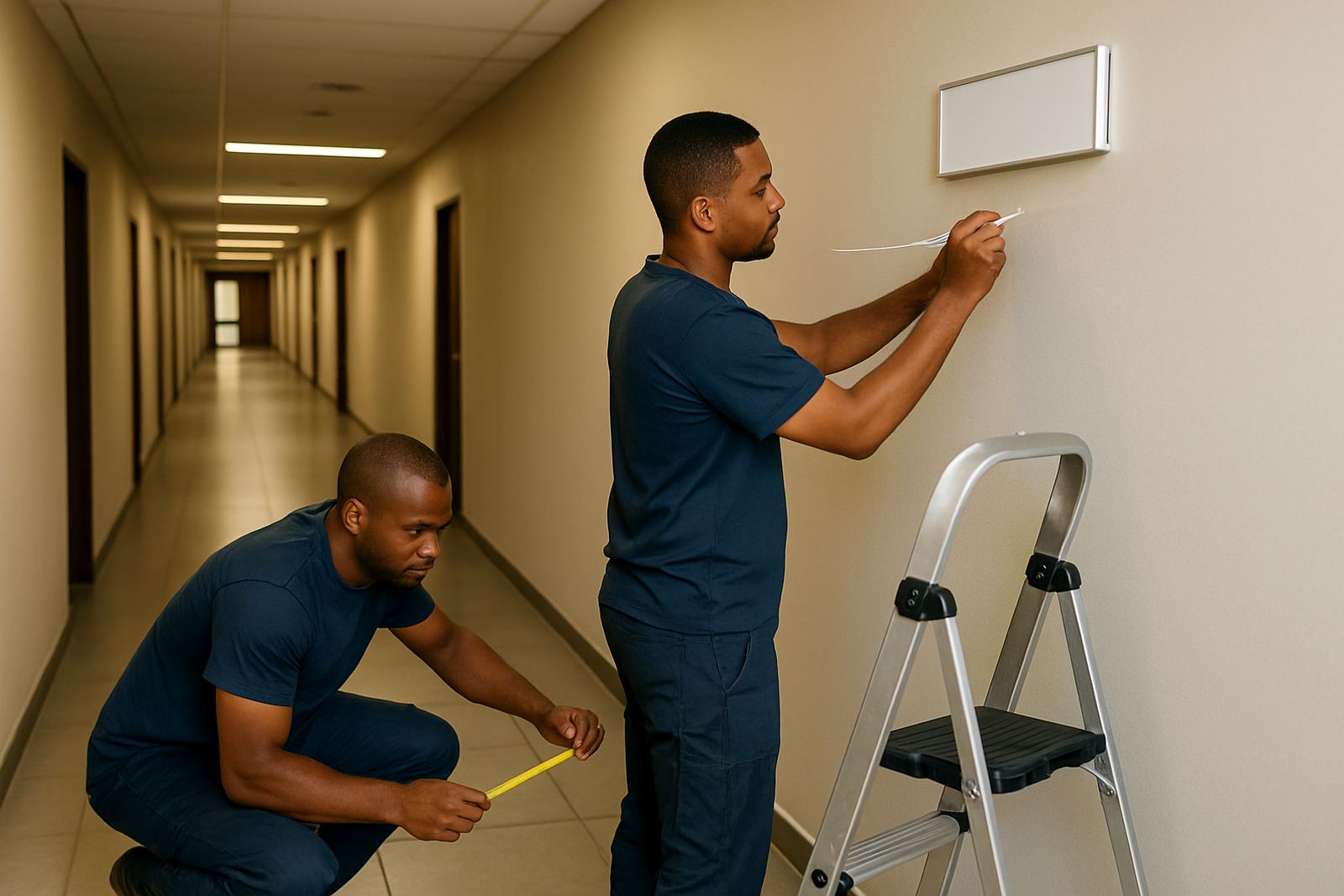
If the site is large, a survey should include measurements, wall surfaces, ceiling heights and mounting points. That helps avoid guesswork later and keeps the sign sizes practical for the space.
Group destinations by journey, not by department
Wayfinding works best when it follows the visitor journey. Start with the broad destination first, then narrow down to the exact room or office. For example, a sign should guide a person to the correct building, then the correct floor, then the correct room. If every sign says too much, people stop reading and the system loses its value.
Keep wording short and consistent. Use the same term for the same place across all signs, maps and room labels. If you call a space the admin office on one sign and reception on another, visitors will second-guess themselves.
- Use one naming system for buildings, floors and rooms
- Keep arrow directions consistent across the whole site
- Limit each directional sign to a clear list of destinations
- Separate public areas from staff-only areas where needed
For multi-tenant properties, include business names only where approved and keep the layout clean. On shared sites in eThekwini, that can prevent confusion at entrance roads, lifts and passage junctions.
Choose sign types that match each decision point
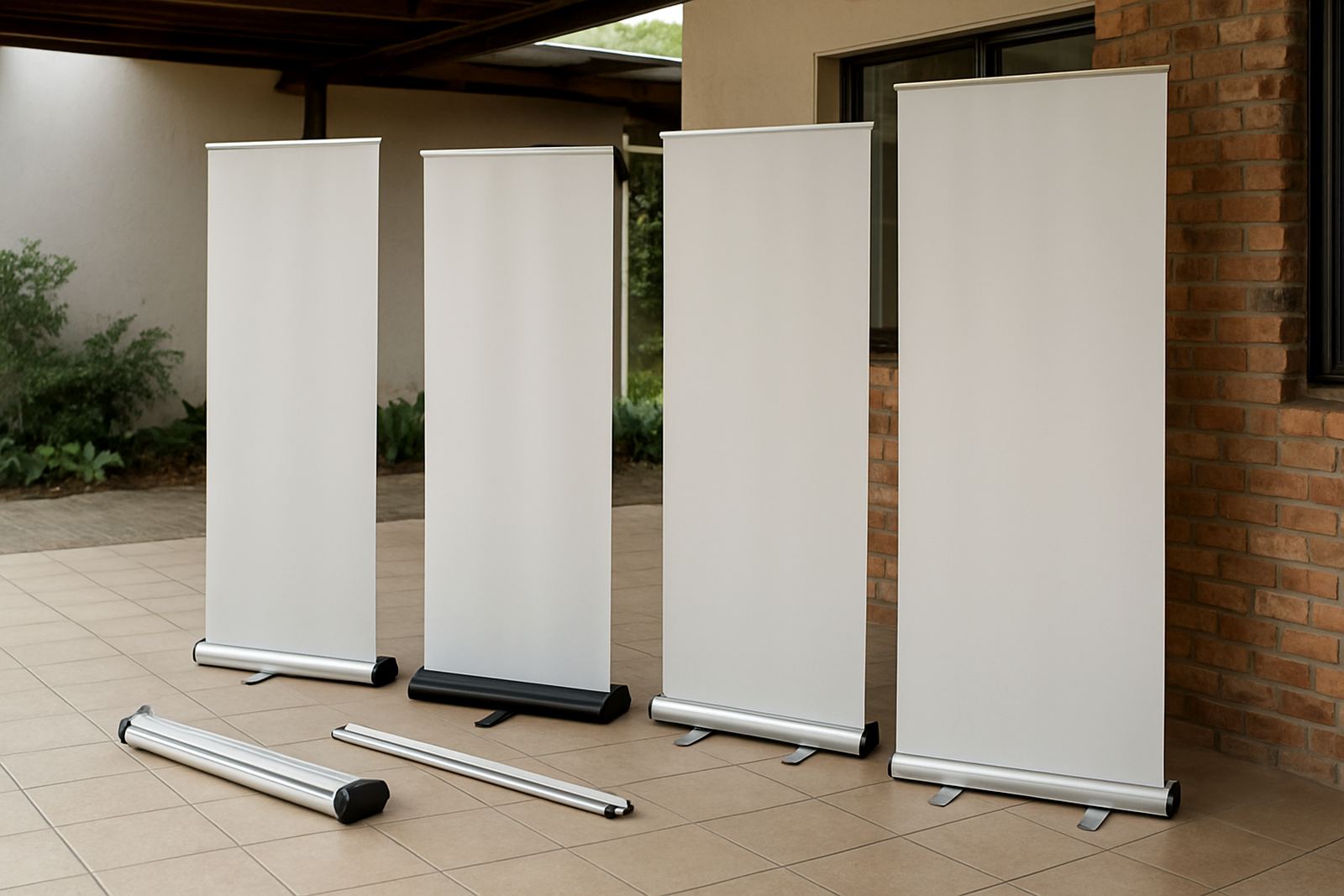
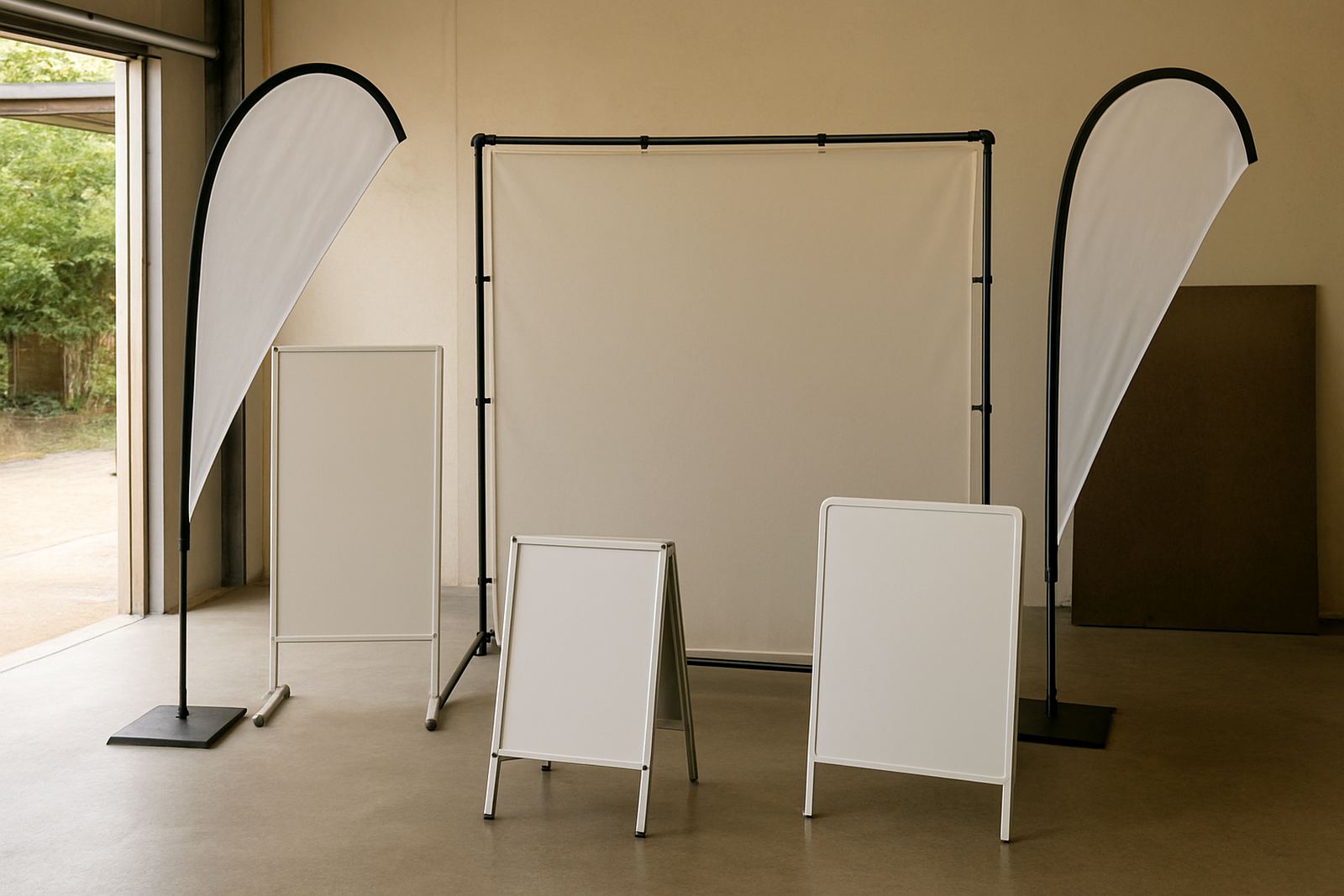
Different parts of the site need different sign types. A large external sign can guide visitors from the road, while smaller internal signs can handle room numbers and corridor turns. If the site has a lot of foot traffic, use clear wall signs, suspended signs or directional panels where people naturally pause.
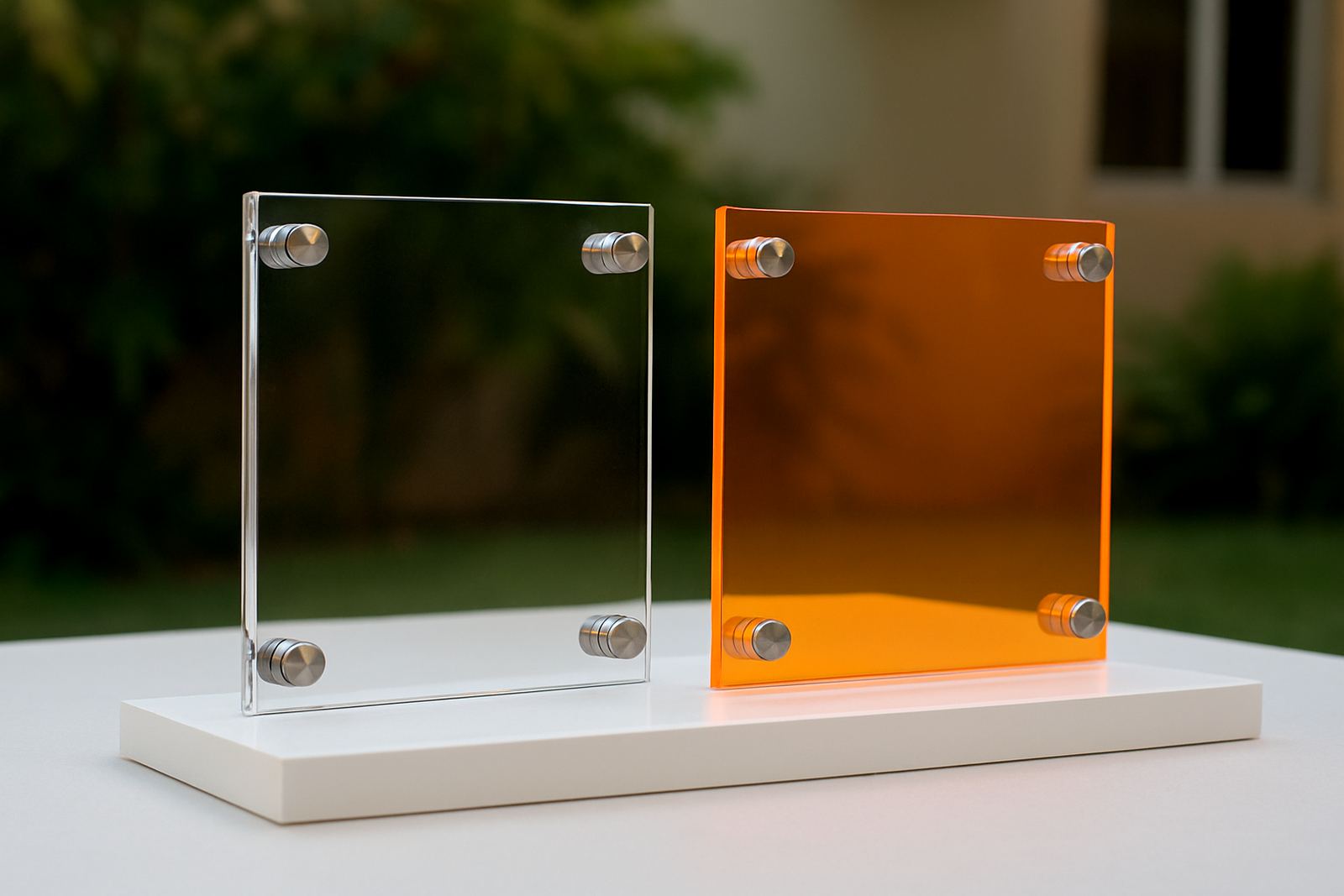
Materials should suit the environment. In Durban North and along the coast, salt air and strong sun can wear down poorly made signs faster than expected. For outdoor directional signs, durable printed panels, coated boards, Perspex faces, Chromadek sheets and properly fixed posts are all common choices depending on exposure and budget.
- Entrance signs for the first point of contact
- Directional arrows for parking, reception and lifts
- Room identification signs for offices, classrooms and consulting rooms
- Floor directory boards for multi-storey buildings
- Safety and access signs where staff and visitors must not cross
For sites that need visibility after dark or during load-shedding, light boxes or reflective elements may be useful. If a sign has to be read from a moving vehicle, size and contrast matter even more.
Plan for mounting, power and local conditions
Sign placement is as important as the artwork. A directional sign placed too high can be missed, while one set too low can be blocked by vehicles, furniture or people. For external areas, check wind exposure, mounting strength and whether the surface can carry the sign safely.
In coastal parts of KZN, moisture and salt can affect fixings and printed faces over time. That means the installation method should be chosen carefully, especially near the coast or in open parking areas. On sites with generator changeovers or regular outages, illuminated signs should be planned with a realistic power arrangement, not just assumed to work all the time.
- Check wall type before choosing plugs, screws or stand-offs
- Allow for cleaning access around the sign
- Keep signs clear of sprinklers, security beams and opening doors
- Test visibility from the actual walking or driving angle
For fast-moving sites like retail centres, medical buildings and office parks, maintenance access should be part of the plan from day one. If a sign face needs future replacement, make sure it can be reached without removing half the installation.
Use the right message hierarchy and branding balance
Good wayfinding is practical first. Branding matters, but it should not overpower the message. The visitor must see the direction, the destination and the distance or floor level if needed. A sign that is too busy can look attractive but still fail its job.
Keep the hierarchy simple. The biggest text should be the action or destination, the second line should support it, and smaller text can carry room numbers or department names. Use colours that contrast well and stay readable in bright sunlight. In Durban, pale backgrounds with low-contrast text are often hard to read outdoors.
Wayfinding systems often include:
- Directional arrows for movement through the site
- Identification signs for rooms, blocks and offices
- Confirmation signs that tell visitors they have arrived
- Regulatory signs for access control and safety
When the same logo, font style and arrow format are used across all signs, the site feels organised and people learn the system faster. It also makes future additions easier to match.
Check the system before full roll-out
Before the full set goes up, test the plan on a small section of the site. Walk it with someone who has never been there before and watch where they stop or turn back. If they ask a question at the wrong point, the sign at that junction needs work.
It is also worth checking for changes that happen after the original plan, such as moved offices, renamed rooms or new access control points. Sites change often, and directional signage should change with them rather than stay frozen in place. A short review every few months can save a lot of confusion.
- Walk the route as a first-time visitor would
- Check spelling, arrows and room numbers carefully
- Make sure temporary signs do not conflict with permanent ones
- Update maps and directories when departments move
If a sign is removed, leave no stale arrows behind. One forgotten arrow can send people to the wrong block and create avoidable frustration.
Keep a simple maintenance plan after installation
Wayfinding is not a once-off job. Dust, weather, cleaning chemicals and day-to-day knocks can all wear signs down. A maintenance plan should include regular inspections, cleaning and quick repairs so the system stays legible. On busy sites in Phoenix, Verulam, Westville, Tongaat and Ballito, this matters more than many people expect.
Keep a record of every sign type, size and location. That makes replacements easier if a panel is damaged or if the site expands. When new rooms are added, it is best to update the whole route logic rather than just add one extra arrow and hope for the best. That usually leads to clutter.
At BP Signs in Briardene, Durban North, our work covers site surveys, artwork setup, large format printing, vinyl cutting, sign fabrication, installation and maintenance visits across eThekwini and the KZN North Coast. For a site with multiple buildings or rooms, that full process helps keep the wayfinding plan clear from the first gate to the final door.