Start With the Event Layout and Viewing Distance
The best sign mix starts with the site plan, not the artwork. At a sports day, expo, store opening or corporate function, people need different messages at different points: direction at the gate, branding at the entrance, sponsor boards at the photo point and a clear back wall behind the stage or display table.
Before ordering, walk the site if you can. Measure the main approach routes, the height where signs will hang or stand, and the distance from which people must read them. A banner that reads well from 5 metres is not enough if drivers need to spot it from the road. For outdoor events in Durban North or along the coast, also think about wind, salt air and damp ground after summer rain.
- Check the main entrance, exit and parking flow
- Mark viewing distances for pedestrians and vehicles
- Note any walls, fences, poles or marquees available for fixing
- List any municipal or venue rules on fixing, size or placement
Choose the Right Sign Type for Each Job
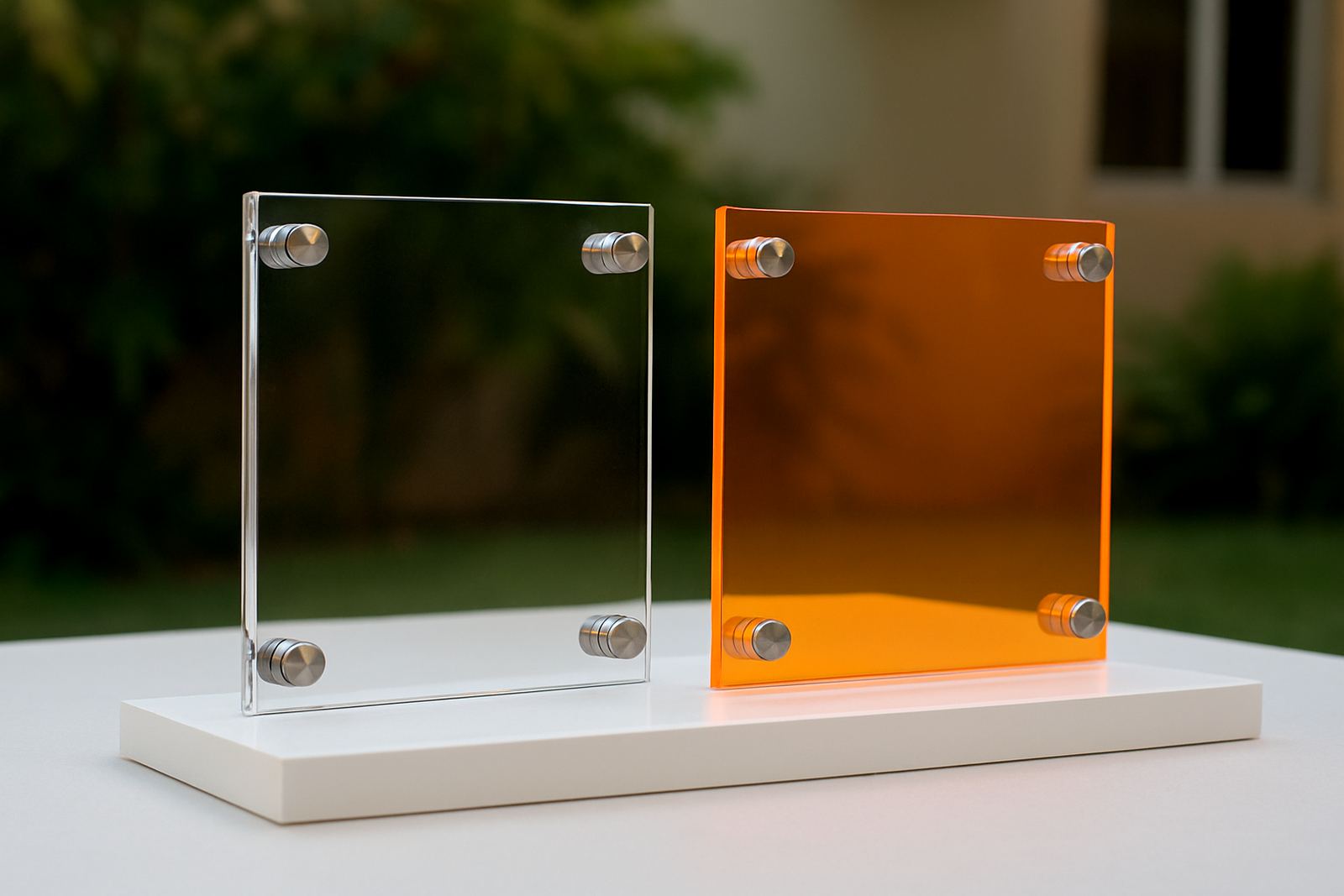
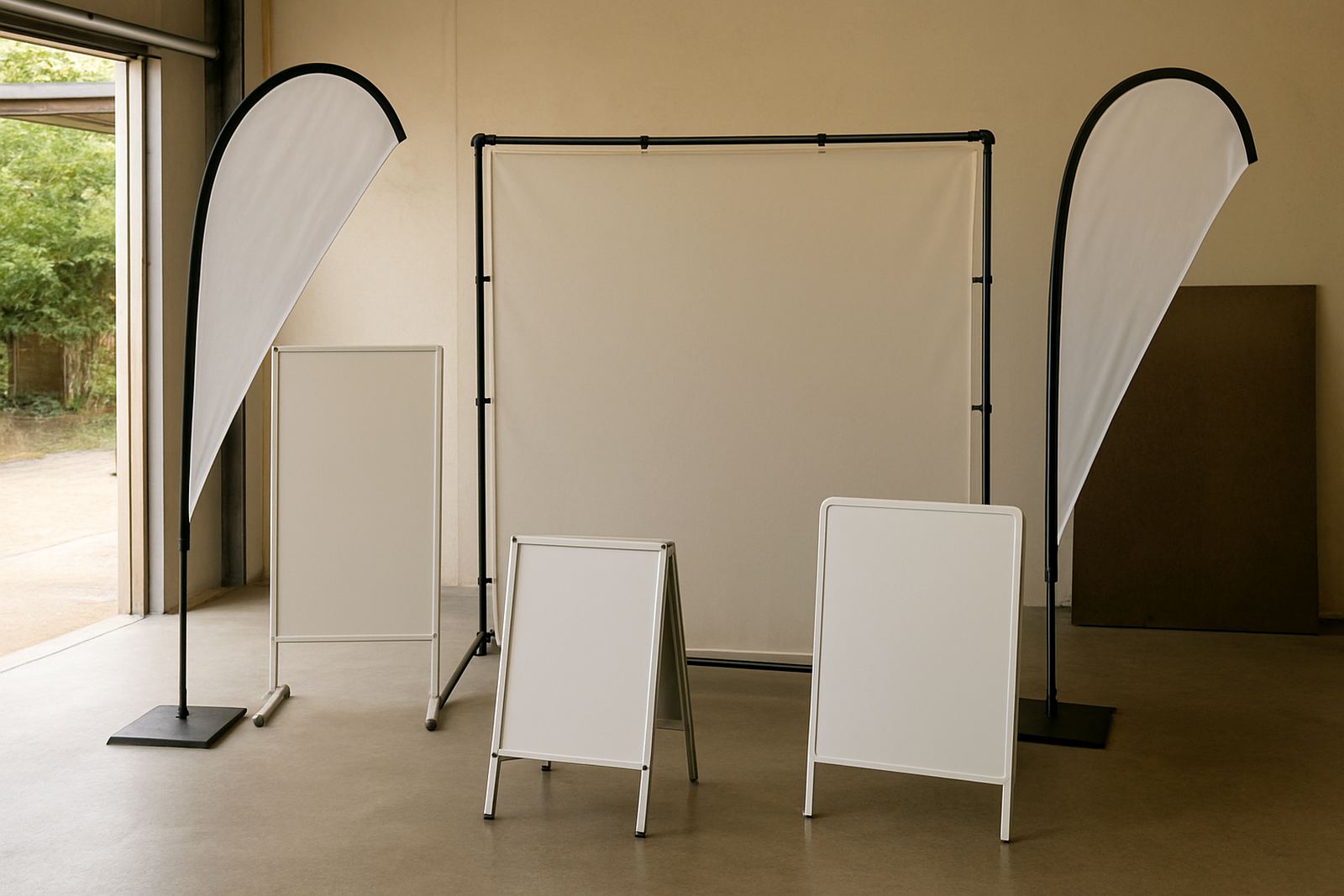
Different materials serve different jobs. Vinyl banners suit short to medium term use and are good for sponsor lists, welcome messages and stage branding. Flags work well where you need movement and height, especially on roadside sites or open fields in the KZN North Coast. Rigid boards such as Chromadek, Perspex or ABS are better when you want a neater finish at an entrance or registration area.
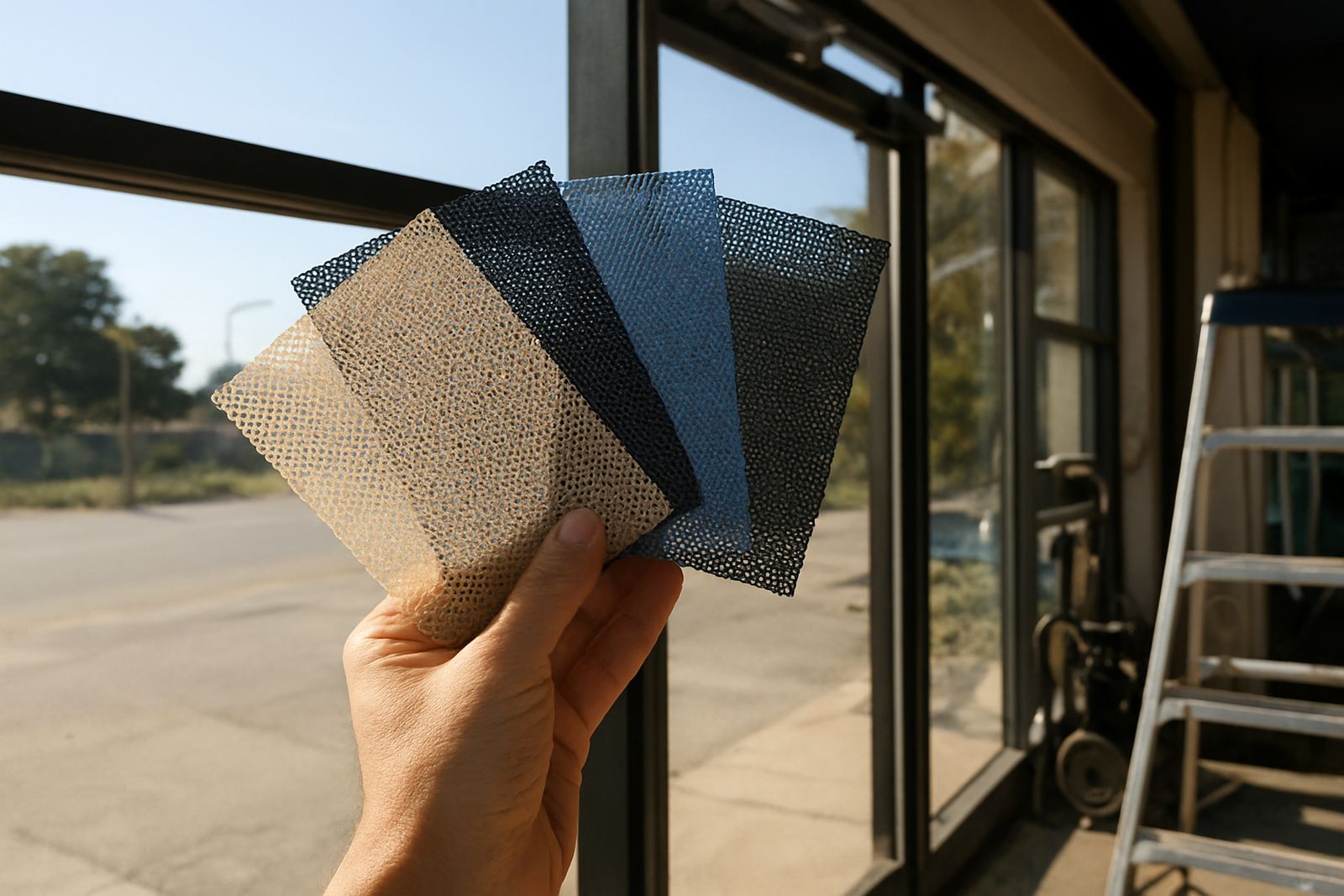
Light boxes help when the event runs into the evening or when the site is shaded. Roll-up banners are useful for foyers, indoor expos and quick counters displays. For windows or glass partitions, frosting and contra-vision keep the space looking tidy while still carrying branding. If the event is in a mall, school, church hall or office park, that mix can save time and keep the layout clean, no fuss.
- Use banners for large messages and sponsor runs
- Use flags for height, movement and roadside visibility
- Use rigid boards for entrances, stages and repeated use
- Use roll-up units for reception points and indoor queues
Match the Material to Durban Weather and Site Conditions
Durban weather can change fast, and event signs must cope with sun, moisture and wind. Near the coast, light materials can flap too much if they are not fixed properly, while heavy rain can soften weak ground fixings. If the event runs over two or three days, ask for stronger finishing, proper hemming on banners and solid bases for freestanding units.
Load-shedding also matters. If the venue uses temporary power for lighting or digital screens, keep your signs readable in daylight without relying on illumination. In shaded halls, use strong contrast and larger lettering so people do not have to come close. For signs that will be used again, ask about protective lamination and storage advice, especially if the items must move between Durban, Umhlanga and Ballito.
- Choose wind slits or stronger fixing where the site is exposed
- Use lamination for signs that may be handled often
- Keep colour contrast high for low light areas
- Ask for weather proof fixings on outdoor frames and posts
Plan Artwork, Branding and Message Order Early
Good event signage is not only about looks, it is about information order. The main message should be seen first, then the date, then the venue details and sponsor line. If too much goes onto one board, people will read none of it properly. Keep the wording short and let the sign do the heavy lifting.
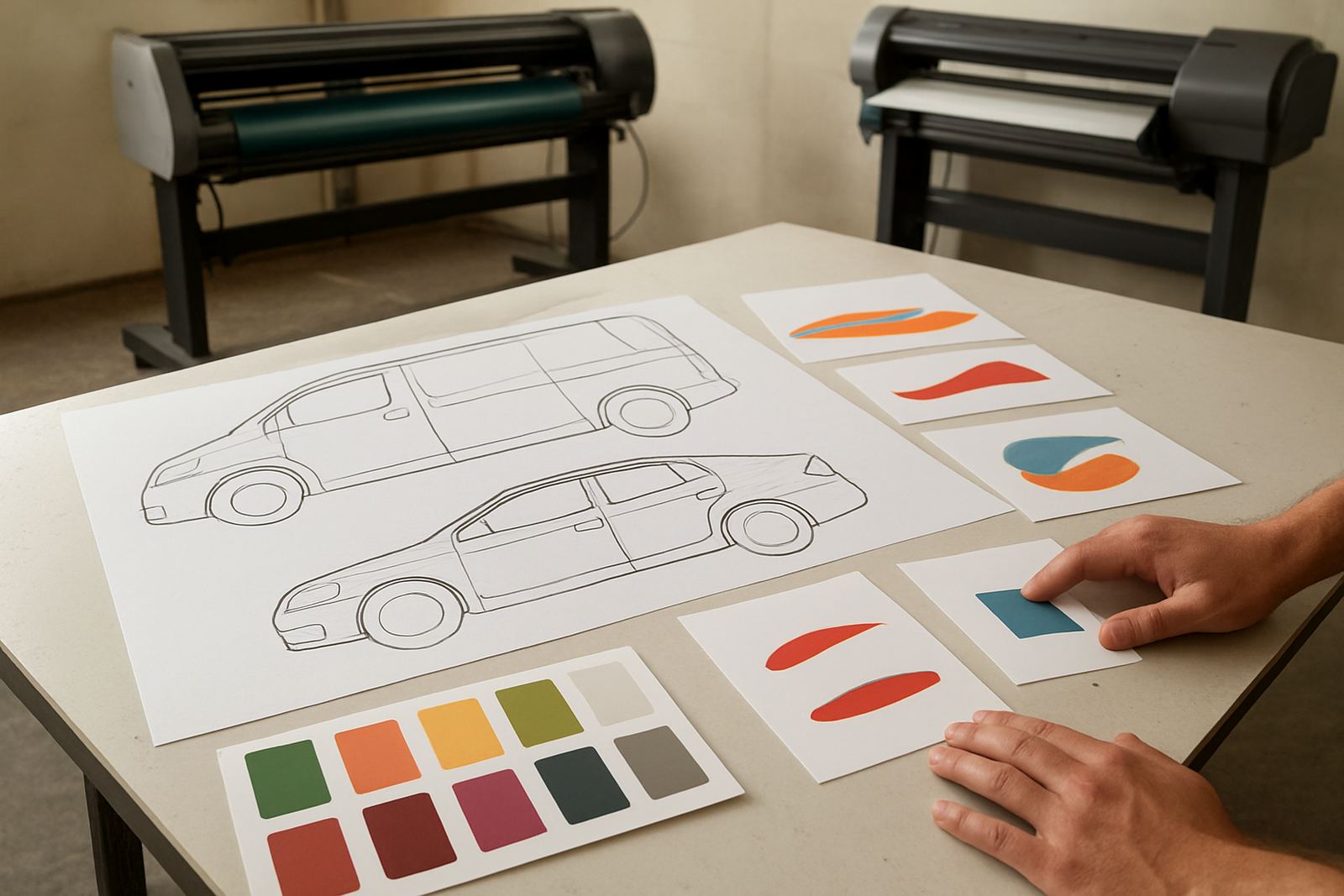
For trade events, weddings, school functions or community activations, use the same colours and fonts across all pieces so the setup feels planned. Send logos, text and size requirements early so artwork can be checked before print. If the event includes multiple zones, such as registration, food, stage and kids area, label each one clearly. A tidy artwork pack saves time on site and prevents last minute changes that can throw the whole set out.
- Confirm logo files and spellings before print
- Keep sponsor logos in the correct order and size
- Use short, direct wording for wayfinding signs
- Group signs by area, not by design preference only
Use Signs to Control Movement and Queueing
At busy events, signs are not just branding, they are traffic control. Directional boards help people move from parking to registration, from registration to the main hall and then back out again. When queue lines are long, simple arrows and zone names stop confusion and reduce pressure on staff. That is useful at launches, community events, fundraisers and expo days where crowds arrive in bursts.
Place signs where people have time to react. A turn arrow hidden too late will not help, and a board placed too high may be missed by families with prams or older visitors. For drive-in or load-in zones, larger boards are often needed because drivers are watching the road, not your branding. We often see events in eThekwini where the right directional set saves the client from having to send staff out to point people around every few minutes.
- Use arrows and zone names for all approach routes
- Keep queue signs simple, with one instruction per board
- Repeat key signs at decision points, not only once
- Make sure temporary signs do not block exits or access roads
Check Installation, Removal and Reuse Before Event Day
Installation can make or break the job. Even a well printed sign will fail if it is fixed to the wrong surface or placed where wind catches it. Site surveys help confirm wall type, floor space, access times and the safest fixing method. For shopfront events, we check glass, brick, cladding and available fixing points before the crew arrives. That saves time and avoids damage to the property.
When the event is done, plan removals and storage as part of the order. Some items can be used again for monthly activations or annual functions if they are removed carefully and kept dry. If the signage must move between branches or venues in Durban North, Phoenix or Westville, label each piece clearly so setup is faster next time. A little planning here saves money, and it keeps the signs looking proper for the next use.
- Confirm access times for installation and takedown
- Ask for fixings suited to the wall, fence or frame
- Separate reusable items from single use items
- Store boards and banners flat, dry and out of direct sun