What contra vision is and where it works best
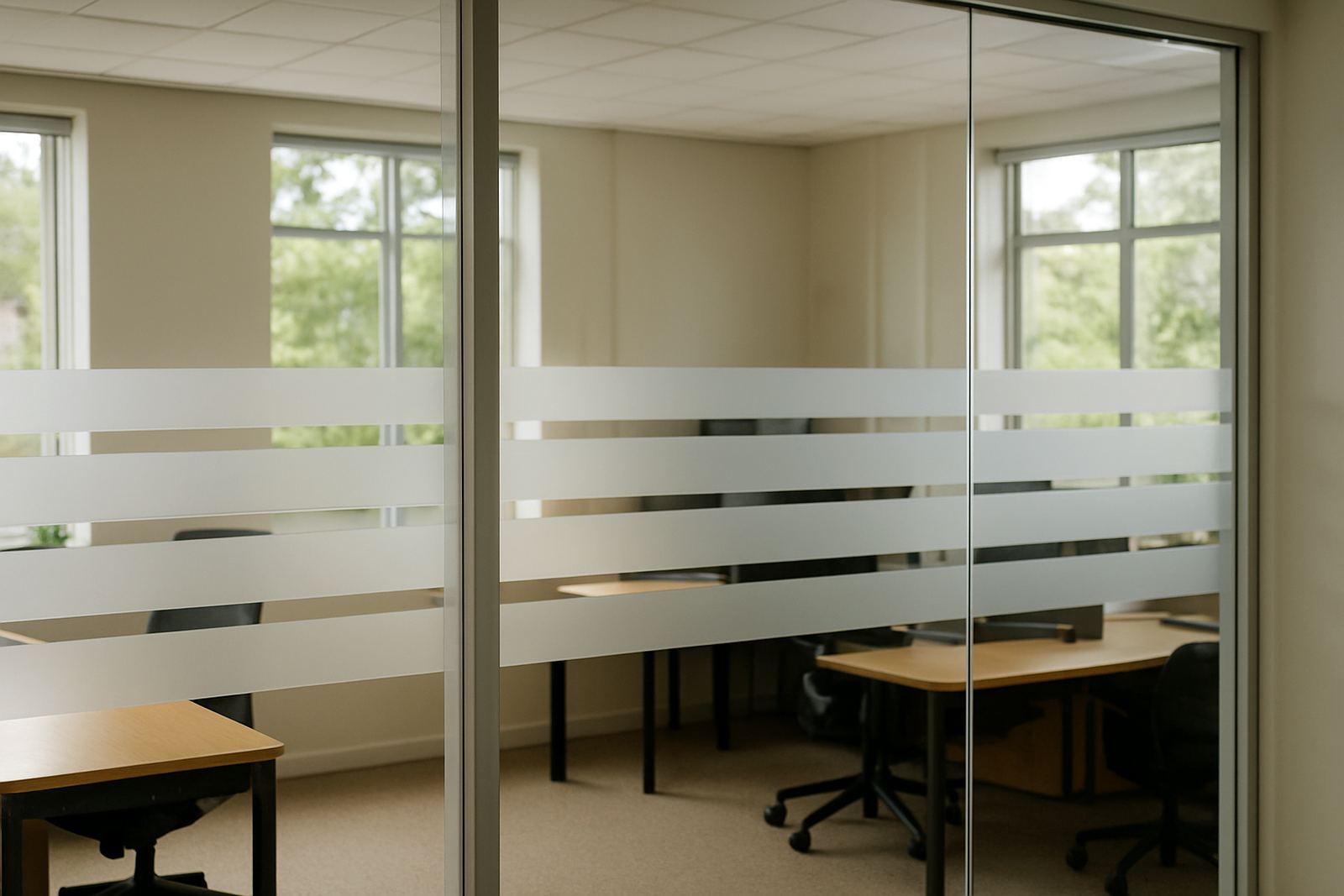
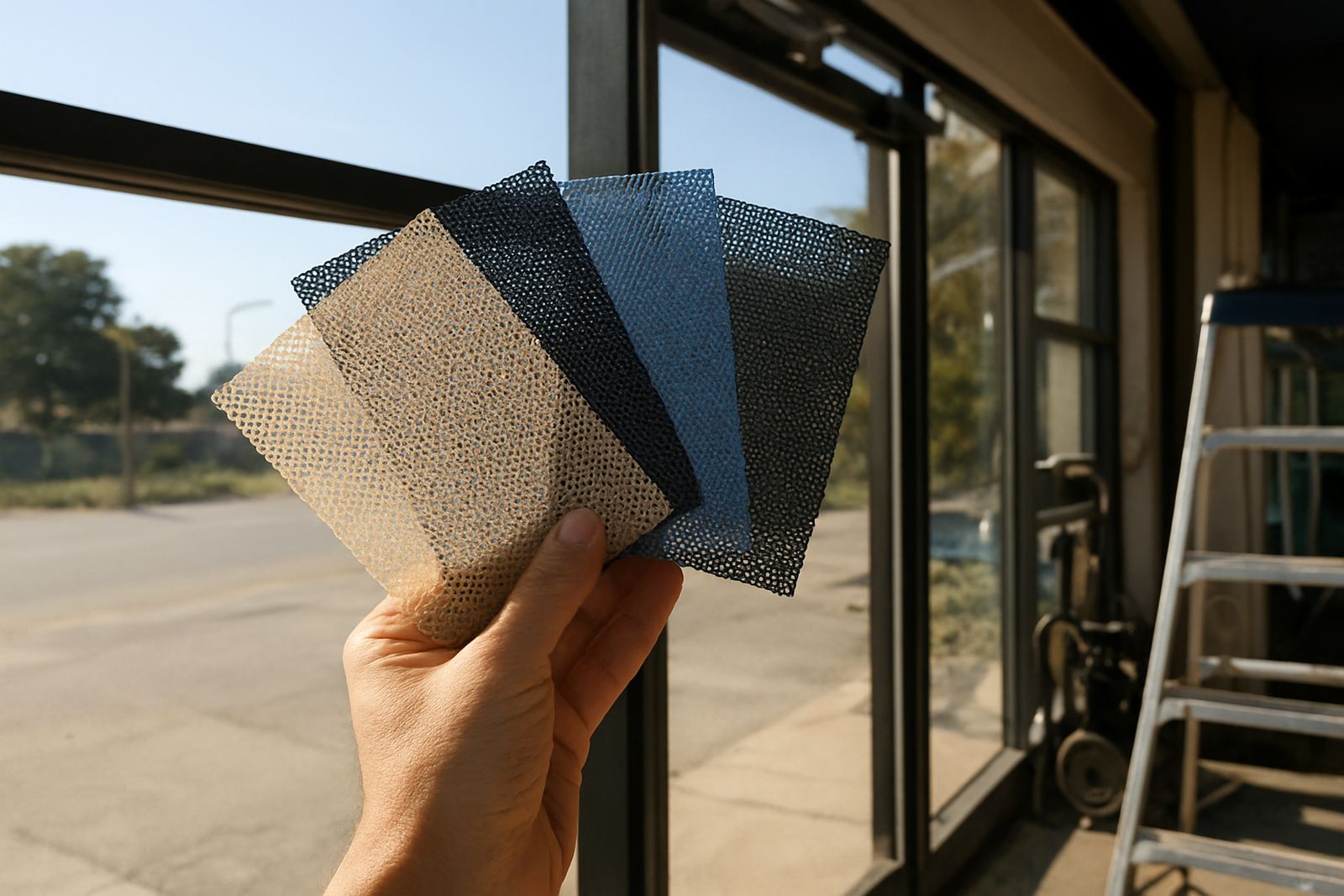
Contra vision, also called perforated window graphics, is a printed film with tiny holes that lets people inside see out while showing a full-colour image from the outside. It is commonly used on retail windows, office glazing, fleet vehicles and service vans where the glass has to work harder than just looking neat. In Durban and along the coast, it is a useful option because it gives shade, branding and a bit of privacy without turning a glass front into a dark wall.
The effect depends on light. In daylight, the printed outside face is the stronger image. At night, if the inside is lit and the outside is dark, the view reverses. That is why we always ask where the window faces, how the space is lit, and whether the graphics must read clearly after hours. It also matters whether the glass is flat or slightly curved, because that affects fitting and the final finish.
For shops in Briardene, Umhlanga or Pinetown, contra vision can carry promotions, trading hours, services and brand imagery on large panes. On vehicles, it is often fitted to rear windows so the driver still has visibility. It can also help with glare and reduce direct views into stock or tools, which is handy for deliveries and service crews moving around town.
Choose the right film, size and message first
Before artwork starts, decide what the graphic must do. If the main goal is privacy, the print can be more solid with stronger coverage. If the goal is to keep as much light and visibility as possible, the design should use more open space and lighter coverage. The smaller the holes are in relation to the printed area, the stronger the image reads from the outside, but the less open the view can feel from inside.
For retail and vehicle use, measurements need to be accurate. We check the exact pane sizes, the position of frames, handles, tail lights, wipers, and any safety markings already on the glass. On shopfronts, we also look at local conditions such as wind, sun exposure and how often the glass is cleaned. A good sign lasts longer when it is matched to the site properly, not just cut to a rough estimate.
- Confirm the purpose: branding, privacy, promotion or all three
- Measure every pane separately, do not assume they match
- Check inside lighting and outside lighting at different times of day
- Allow for frames, rubber seals, vents, rear window curves and safety film
- Decide if the design should cover the full glass or leave clear borders
For businesses in eThekwini, this planning step saves money later. It avoids reprints, trimming on site and graphics that look fine on a screen but fail on actual glass. A proper site survey also helps us judge whether extra lamination is needed for weather, cleaning or long-term use.
How the print should be prepared for Durban conditions
Durban humidity, strong sun and frequent handling can punish poor-quality graphics. Contra vision should be printed with outdoor use in mind and sealed properly so the image does not crack or fade too quickly. For long runs on shopfronts, we usually suggest lamination where the design and application need extra protection. It helps against cleaning marks, abrasion and some of the wear from coastal weather.
The artwork itself should be simple enough to read from a passing car or pavement. Small text, thin lines and busy detail can disappear at distance, especially on perforated material. Darker blocks and bold lettering usually perform better. If the glass is for a van or bakkie, the message should be clear from a few metres away, because most people only have a second or two to see it.
Colour choice matters too. High contrast helps the outside face stand out, while the inside should still feel usable for staff or drivers. If the window is heavily tinted already, we test whether the printed result will still work before production. That is a simple step, but it avoids the common mistake of fitting a graphic that looks dull once installed, which is frustrating for everyone.
What a clean installation should look like
Good fitting starts with clean glass, correct alignment and patience. Dust, salt residue, oil and old adhesive must be removed before installation, especially in coastal areas where fine grit clings to the surface. The panel has to be positioned squarely, with the print matched to the edge lines and the viewing holes kept in the right direction. A rushed install shows quickly, because bubbles, lift lines and crooked margins are easy to spot on large windows.
At BP Signs, our installation team handles shopfronts, vehicle windows and internal office glazing across Durban North, Umhlanga, Pinetown and the North Coast. We also manage removals and replacement work when old graphics need to come off before new ones go on. For tenant sites, we can coordinate with the building rules and access limits, which is often needed in malls, business parks and roadside premises.
- Glass cleaned and dried before application
- Edges aligned to frames or safe visual guides
- No trapped dust, bubbles or lifting corners
- Driver visibility checked on vehicle windows
- Final wipe-down after fitting
If a pane needs to be wrapped around corners or cut around fittings, the installer should work slowly and know the material. On vehicles, especially, one bad cut can spoil an entire rear window. That is why site experience matters more than just having the print in hand.
Retail use: store visibility, promotions and privacy
For shops, contra vision can do three jobs at once. It can advertise special offers, reduce direct views into stock areas and keep the shopfront looking active instead of bare. This works well on street-facing windows, salon fronts, showrooms, takeaway counters and service receptions. If the window is close to the road, it can also soften harsh afternoon sun without needing blinds that block the branding space.
Retail owners should think about what customers see first. A clean call to action, clear opening hours and one strong message usually work better than too much information. If the glass is near the entrance, leave enough clear area for passers-by to look in and feel welcome. Too much coverage can make the front feel shut, which is not the point.
For landlords and tenants, it is also worth checking municipal and building rules before fitting. Some centres have limits on colours, coverage or illuminated areas. If the sign needs to be changed later, a removable finish and proper maintenance plan will save time and avoid damage to the glass. A quick refit is much easier than repairing a scratched pane after a poor removal.
Vehicle use: visibility, safety and road presence
On vehicles, contra vision is usually fitted to rear windows, and sometimes side windows where visibility rules allow it. The aim is to keep the driver’s line of sight workable while turning the vehicle into a moving advert. Delivery vans, service bakkies and sales vehicles are common candidates because they spend the day on the road and parked at client sites. A clean rear-window graphic can bring attention without adding bulk to the bodywork.
Safety has to come first. The graphic must not block mirrors, reversing visibility or any legal markings required for the vehicle. We check the layout before print so the design stays practical. For fleets, consistency also matters, especially when different vehicles have slightly different window sizes or tint levels. A one-size approach usually creates problems, and the result can look untidy across the fleet.
- Keep key sight lines open for the driver
- Check tint level before choosing print density
- Leave space for number plates, lights and legal markings
- Use durable material for daily road exposure
- Plan for replacement if the vehicle is repainted or rebranded
For businesses working across eThekwini and the KZN North Coast, vehicle graphics are often the cheapest moving media on a per impression basis. The finish has to hold up to washing, sun, rain and daily use though, so proper print, fitting and upkeep are worth the effort.
How to keep perforated graphics in good condition
Contra vision needs gentle care. Harsh scrubbing, high-pressure water close to the edge, and aggressive chemical cleaners can shorten the life of the film. Regular cleaning with a soft cloth and mild detergent is usually enough. On coastal sites, salt build-up should be wiped away before it crusts into the film or edges. On vehicles, cleaning around the rear window seal helps prevent dirt from building up where you can’t easily see it.
If a graphic starts lifting, fading or scratching, it should be repaired before the damage spreads. Small edge lifts can often be corrected early. Once water gets under a corner, the problem can grow quickly. For tenant sites, maintenance visits are useful when you need to keep the front looking fresh without replacing everything. It is better to treat graphics as part of the premises upkeep, not a once-off job.
When you are planning a new install, keep the cycle in mind: survey, artwork setup, print, fit and check again after a few days. That simple process helps the sign last longer and keeps the finish looking sharp in real Durban conditions, not just on the day it was fitted.