What ABS signs are used for in Durban interiors
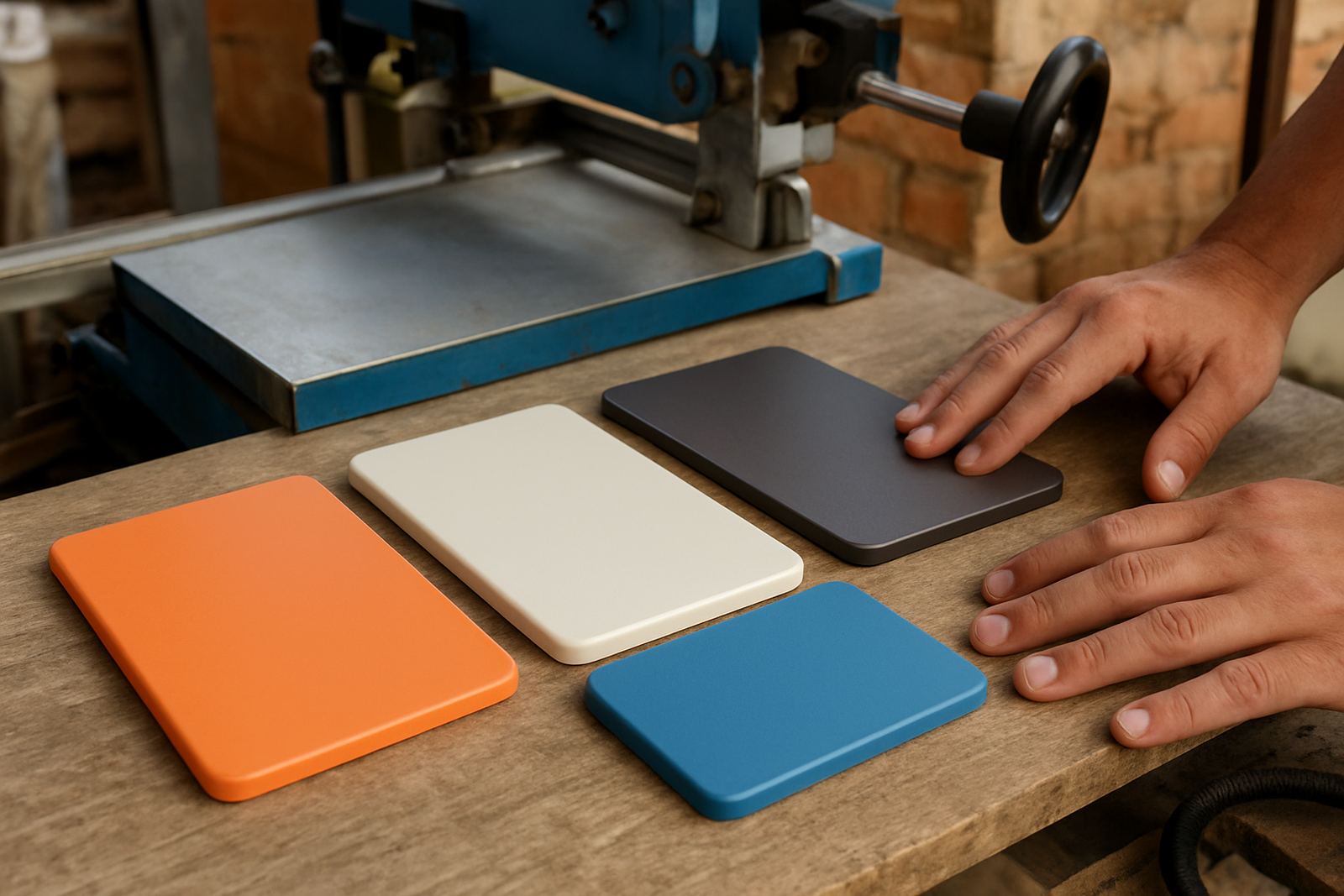
ABS is a light plastic sheet used for indoor sign panels, labels and simple direction signs. It is often chosen for office passages, reception areas, staff rooms, storerooms and building directories because it is easy to cut, shape and mount on walls or doors.
In Durban and the wider eThekwini area, ABS is useful where you want a tidy finish without the weight of metal or the cost of thicker rigid materials. It also works well in buildings with regular changes to room use, because a sign can be replaced or updated without much disruption.
When ABS is the right material
ABS suits indoor use best. It is not the first choice for harsh sun, heavy rain or long coastal exposure, so for external signs we usually recommend other materials. For interiors though, it does the job well where the sign will not be handled roughly or exposed to moisture every day.
Choose ABS when you need a sign that is light, neat and cost-effective. It is a good fit for:
- Room numbers and door labels
- Directional signs in passages or lifts
- Clinic and reception notices
- Warehouse section markers
- Temporary internal notices that may change later
A simple sizing and layout checklist
Good signage starts with readable sizing. For a small door label, keep the wording short and use clear letter heights. For wayfinding, larger text helps people read the message from a few metres away. If the passage is busy, use plain wording and keep the layout uncluttered.
Before production, check these points:
- Measure the wall or door area accurately
- Confirm the viewing distance
- Keep the message brief and direct
- Allow a clean border around the text
- Use consistent fonts and colours across the site
- Check spelling, suite numbers and room names twice, small mistakes are costly
For multi-floor buildings in Durban North, Umhlanga or Pinetown, a matching set of signs makes navigation easier for visitors and staff. It also helps when several contractors work in the same building and the signage needs to stay consistent.
Finishing options that improve durability
ABS can be finished in a few different ways depending on the look you want. Printed face graphics are useful for coloured panels and branded office labels. Cut vinyl works well for simple text, arrows and numbering. In some cases, a combination of print and cut lettering gives the cleanest result.
For sites with cleaners, high traffic or frequent touch points, a protective laminate can help the sign last longer. This is especially useful in hospitals, schools and public buildings where surfaces get wiped often. A matte finish can reduce glare from bright interior lighting, which is handy in reception areas and corridors.
If the sign needs to stand slightly off the wall for a stronger visual effect, spacers can be used. Where a flat fit is better, direct mounting keeps things neat and simple.
How BP Signs handles ABS sign projects
BP Signs works from Briardene, Durban North and installs across eThekwini, Umhlanga, Pinetown and the KZN North Coast. The process usually starts with a site survey so the sign size, fixing method and position are correct before fabrication begins.
From there, the team can assist with artwork setup, large format printing, vinyl cutting, print lamination, sign fabrication and installation. If the project includes multiple room markers or a full wayfinding set, it helps to list the locations in order so the final signs follow the same naming style throughout the building.
Our team includes Bongani Patrick Zulu, Nokuthula Mkhize, Sashen Naidoo, Anele Dlamini, Priya Govender and Lindokuhle Khumalo. That mix of production, installation and sales support helps keep the job moving from the first measure-up to final fitting.
Care, maintenance and when to replace
ABS signs are easy to maintain. Wipe them with a soft cloth and mild soap solution, then dry them straight away. Avoid strong solvents or abrasive pads because they can dull the finish. In humid coastal areas like Durban and Ballito, keeping edges dry is important if the sign is close to doors, kitchens or wash areas.
Replace the sign if the lettering has faded, the panel has warped or the wording is no longer correct. If your business changes office numbers, tenant names or departmental labels, it is often better to update the whole set at once so the site stays consistent.
- Check signs quarterly for damage or loose fixing
- Clean after renovation dust or paint work
- Keep spare labels for fast tenant changes
- Record the final wording before ordering replacements
For buildings with load-shedding backups or regular access control changes, it is wise to keep the signage simple and clear so staff and visitors can still find the right room even when conditions are not ideal.