Start with where the sign will be seen
The first question is not what it looks like, but where people will read it from. A shopfront in Umhlanga Ridge needs a different light box to one mounted above a street-facing entrance in Pinetown or a forecourt in Tongaat. Measure the viewing distance, the mounting height and whether the sign will compete with street lights, moving traffic or other shop signs.
For eThekwini sites, also think about wind, salt air and early evening moisture. A sign that looks fine indoors can lose impact quickly outdoors if the face is too small, the lighting is uneven or the frame is not sealed properly.
- Measure the distance from road or pavement to the sign
- Check whether the sign is read by pedestrians, drivers or both
- Note any shade from trees, canopies or adjacent buildings
- Allow for coastal humidity and salt spray near Durban North and the North Coast
Choose the right face material and frame finish
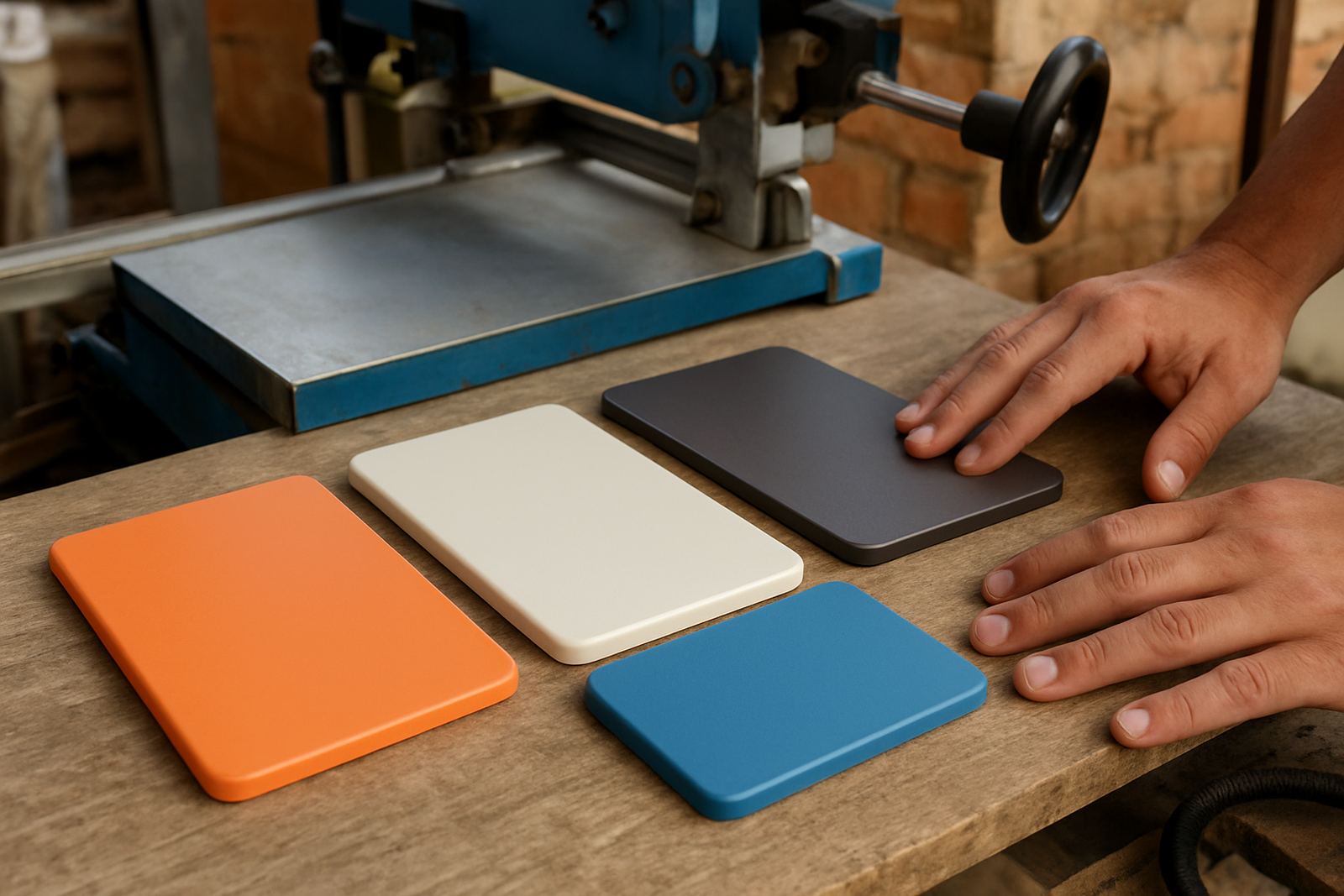
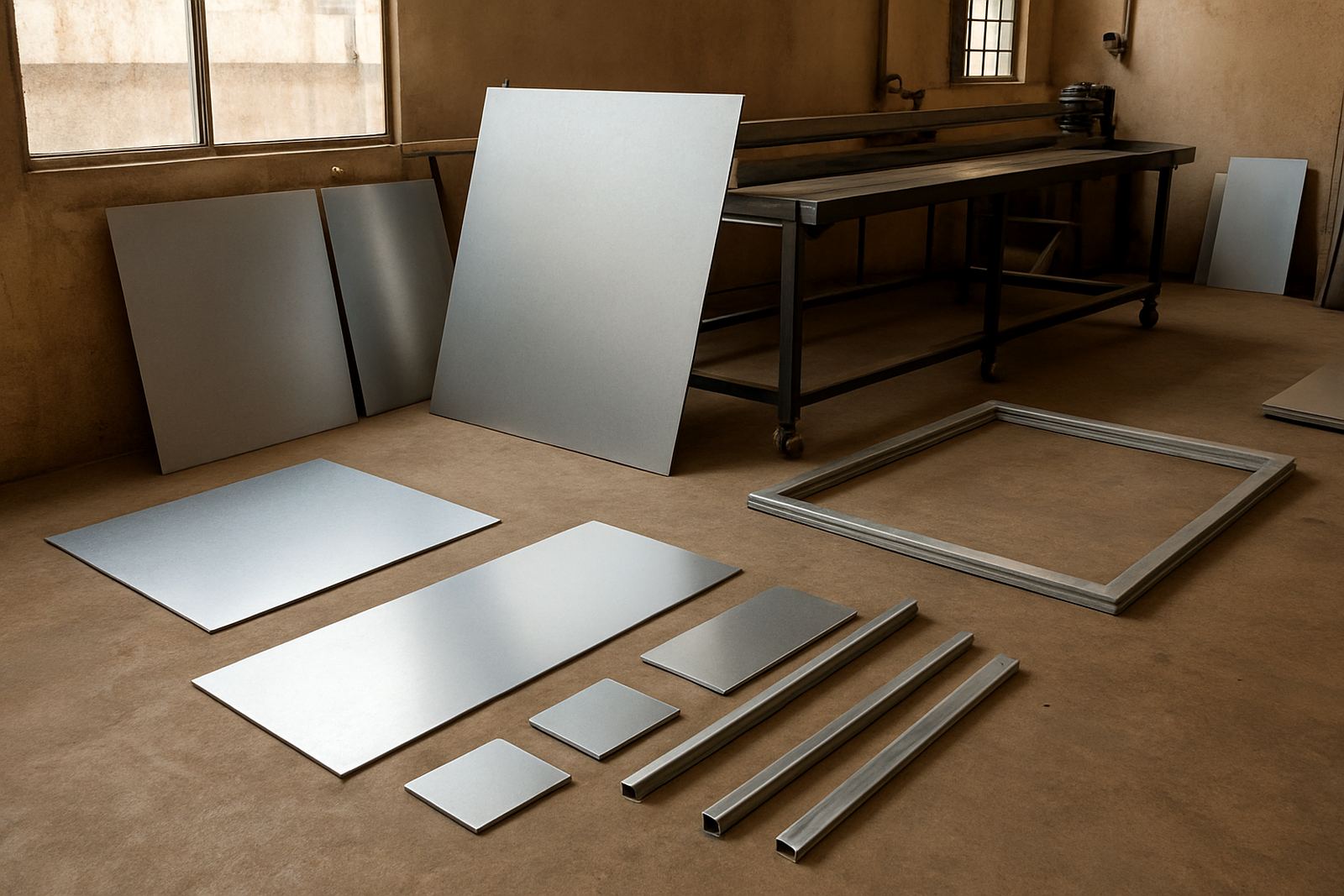
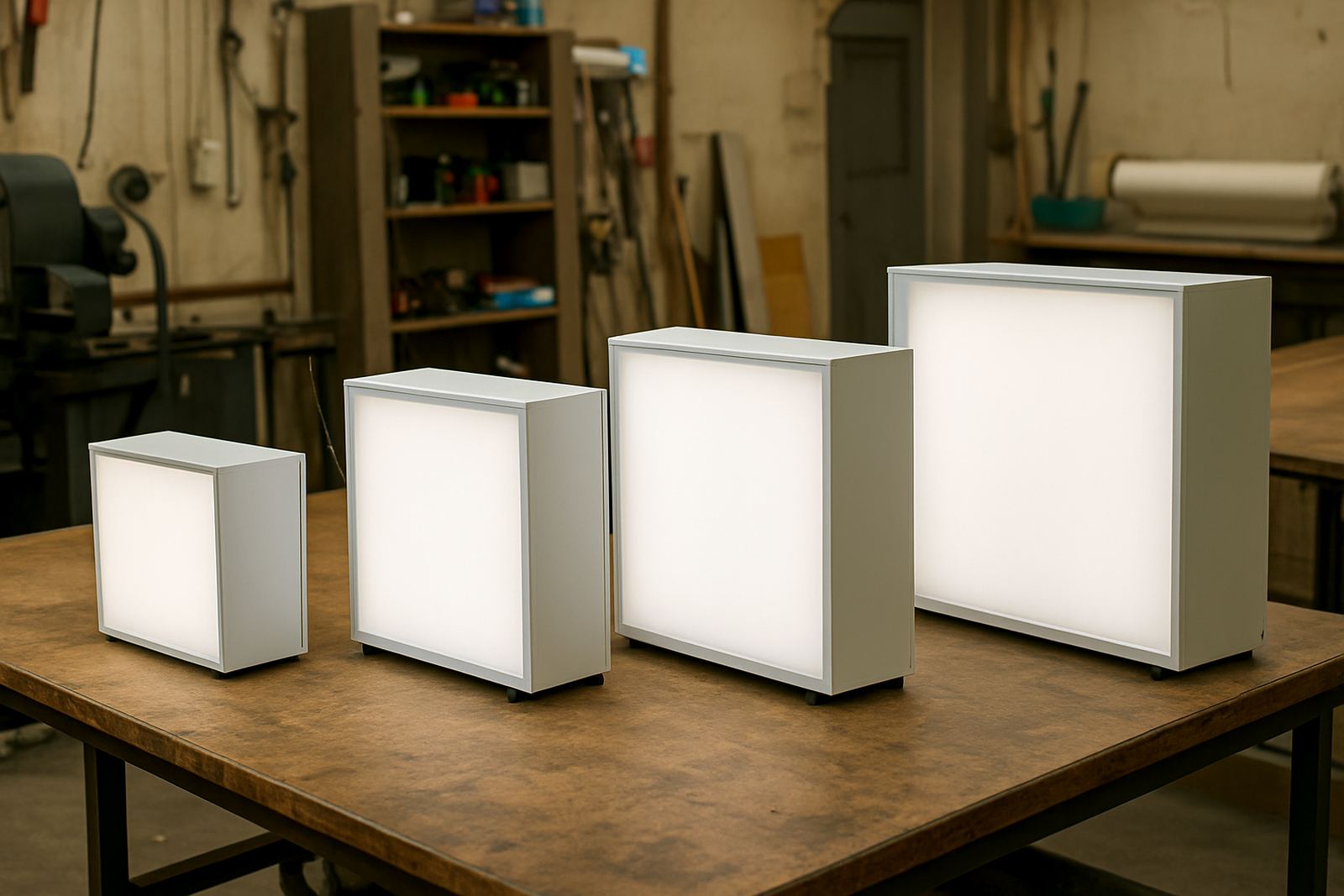
Light boxes are usually built with an aluminium frame and a printed face or translucent panel. The face material affects how much light passes through, how the colours appear and how often the sign needs cleaning or replacing. For long term use, ask how the panel is fixed, whether the edges are sealed and if the frame allows quick access for maintenance visits.
Perspex faces can give a neat finish for illuminated branding, while fabric-style tension systems may suit larger displays that need even lighting across the full panel. The frame must be rigid enough to stay straight in wind and heat. In coastal areas, a poor finish can corrode at corners and joints, so powder coating or another weather resistant finish is worth checking.
- Ask how the face is removed for lamp or LED access
- Confirm the frame is suitable for outdoor use in humid conditions
- Check whether the face will yellow, warp or fade over time
- Make sure the edge trims and seals are neat and water resistant
Check brightness, evenness and colour accuracy
Good illumination is not only about brightness. A strong sign with patchy light can look untidy at night and make the text harder to read. The goal is even light across every letter, logo and border. That matters for pharmacies, retail entrances, estate offices and building identifiers where people need to find the place quickly after dark.
LED systems are commonly used because they draw less power and handle frequent switching better than older lamp systems. Still, the layout must be planned properly. If the LEDs are spaced badly, the centre may look bright while the edges fall away. If the colour of the face is too dark or the print uses poor contrast, the message will still struggle.
- Look for even light with no dark corners or hot spots
- Use high contrast text and simple artwork for night readability
- Ask how the sign performs at dusk, not only in full dark
- Confirm the colour on the face stays true when lit
Match the sign to municipal and site rules
Before fabrication starts, check the site conditions and any rules from the landlord, centre management or local authority. In busy commercial areas, there may be limits on sign projection, brightness, height or fixing points. A sign on a shopfront in Westville may need different approval steps to one on an industrial unit in Briardene. Getting this right early can save rework and delays.
It also helps to plan the installation method. Some walls take standard fixings easily, while others need reinforcement. If the sign will sit above a glass frontage or near a public walkway, the bracket design, access method and cable route all matter. A proper site survey makes these details clear before production starts.
- Check landlord or centre approval requirements first
- Confirm wall strength, fixing points and cable access
- Allow for safe installation over pedestrian areas
- Find out whether local rules affect size or lighting level
Plan for power use, load-shedding and upkeep
A light box is only useful if it stays on when customers need it. In South Africa, that means thinking about power interruptions and the cost of running the sign through the evening. Ask whether the system can work with timers, backup supply or low power LED options. For sites that trade late, especially on the KZN North Coast, dependable evening visibility matters a lot.
Maintenance should be simple too. Dust, coastal grime and insects can reduce brightness over time. A sign that opens easily for cleaning and part replacement will cost less to keep in service. If the installation is high or awkward, agree on a maintenance plan from the start rather than waiting for a fault.
- Ask for expected power usage and running cost
- Check whether the unit can handle regular switching
- Plan cleaning for dust, salt and moisture build-up
- Keep a record of access points for future servicing
Use a practical checklist before you order
When comparing quotes, do not look at price alone. Compare the full scope from artwork setup to sign fabrication, installation and aftercare. A lower quote can hide weak lighting, thin materials or a sign that is difficult to service later. Clear measurements, a correct print file and a proper site survey make the final result much more reliable.
For shops, offices and sites across Durban North, Umhlanga, Pinetown and Ballito, the best light box is the one that fits the location and stays readable after dark. If the sign is going on a shopfront, inside a foyer or above a roadside entrance, use the same checklist every time and you will avoid costly mistakes.
- Viewing distance confirmed
- Size and proportions agreed
- Face material and frame finish selected
- Lighting type and brightness checked
- Installation method and power access confirmed
- Maintenance access planned