
Guest Movement That Had To Work On Day One
The client was a hospitality property in Durban serving overnight guests, event visitors and day visitors, with parking spread across more than one access point. The brief was simple on paper: make it easier for guests to find reception, rooms, parking bays and shared facilities without asking staff for directions every few minutes. In practice, the site needed a full wayfinding plan that matched the building layout and coped with coastal weather.
The property wanted signs that looked neat, carried the brand properly and were readable from a moving vehicle as well as on foot. Reception branding also had to feel welcoming without overcrowding the entrance area. We worked from a site survey, confirmed key traffic points and mapped the guest journey from gate to parking to reception and then through the rest of the property.
- Client type: Hospitality lodge
- Town: Durban, eThekwini
- Project scope: Wayfinding, parking notices and reception branding
The Brief, Constraints And Coastal Conditions
The biggest challenge was the environment. Salt in the air, summer heat and sudden rain can shorten the life of poor quality signage, especially on exposed walls and posts. The property also had a mix of pedestrian areas and vehicle routes, so some signs had to be placed high enough to stay visible while not causing clutter. A few zones had limited fixing points, which meant we had to choose materials and installation methods carefully.
There was also a timing constraint. The lodge could not have areas closed off for long, because guests were already on site. We scheduled the work in stages so reception branding could go up first, then the directional signs and finally the parking notices and smaller room markers. That approach kept operations moving and reduced disruption for staff and visitors, no one likes a half-finished entrance during check-in.
- Exposure: Coastal humidity and salt air
- Operational need: Keep guest access open during installation
- Visibility need: Readable from vehicle and pedestrian distances
Materials And Sign Types We Supplied
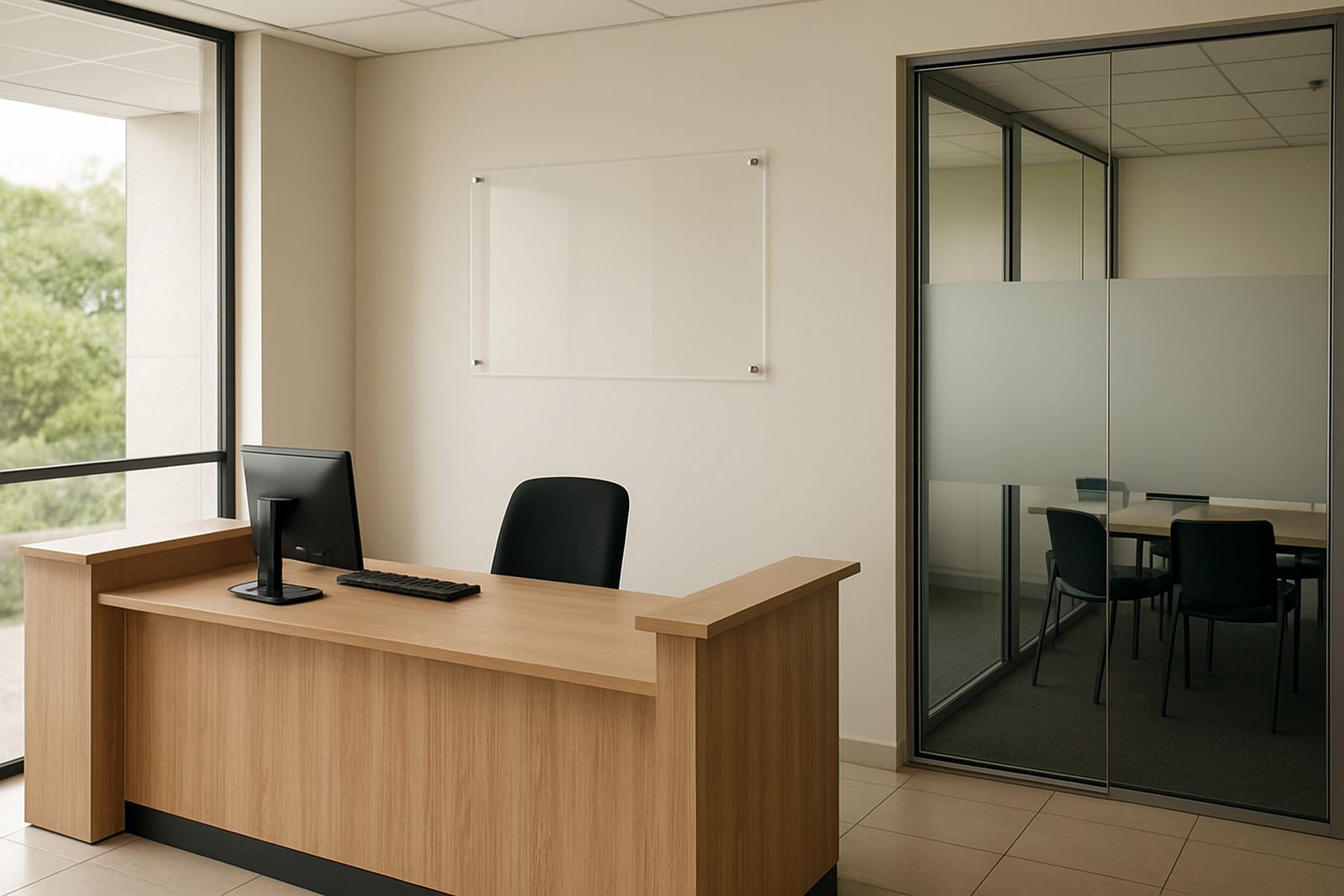
For the reception area we supplied a clean branded sign panel with raised presence, using durable flat sheet material and print finish suited to indoor use. For exterior wayfinding, we used weather-tough signage combinations that could handle direct sun and regular cleaning. The parking notices were made for quick recognition, with simple wording and clear arrows so guests could make decisions fast. We also produced room and facility markers to tie the whole site together.
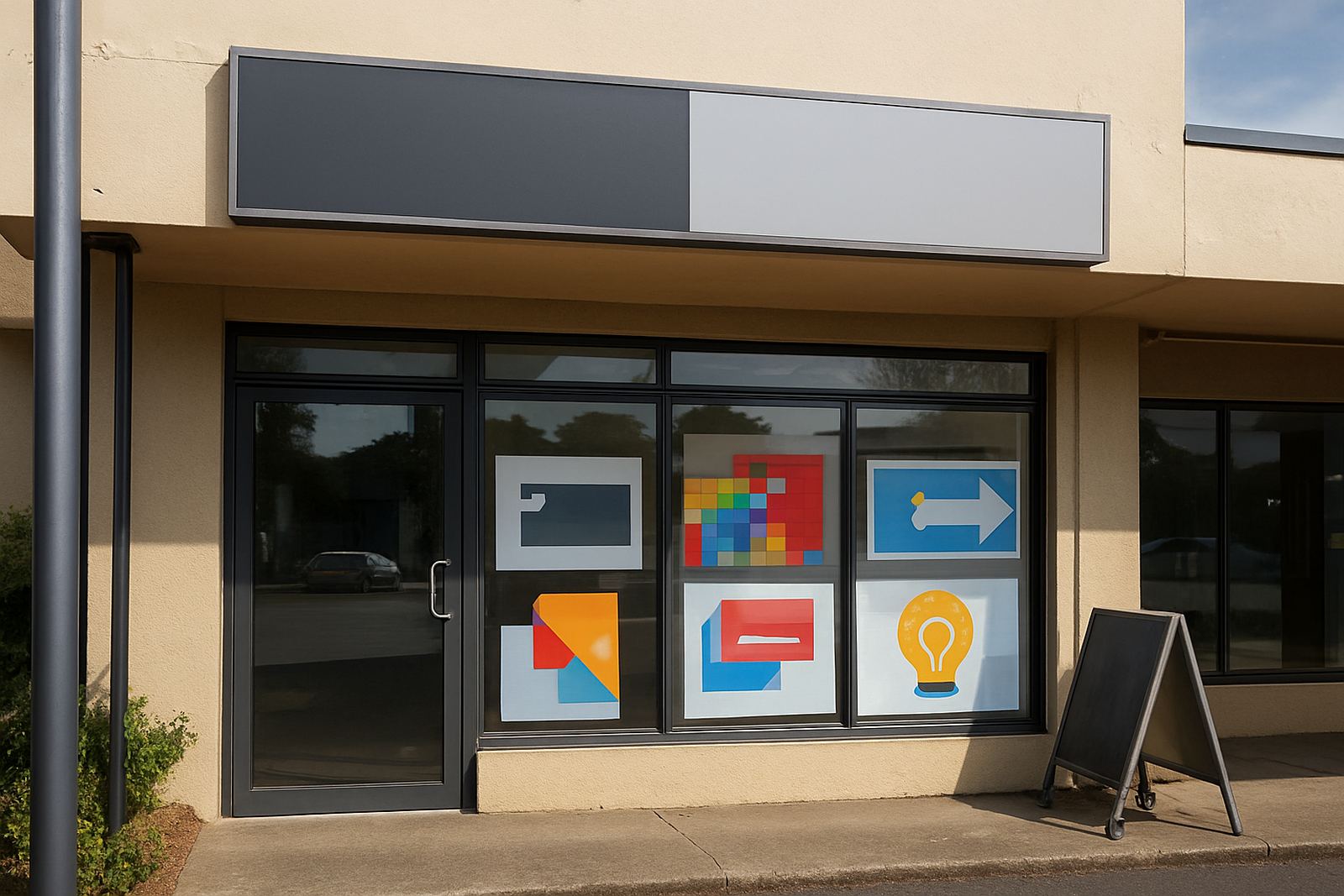
To suit the setting, we selected a mix of vinyl graphics, printed panels and fabricated signs. Where glare could be a problem, we chose finishes that reduced reflection. Where staff needed the signs to stay legible in low light, we increased contrast and used strong directional symbols. The result was a set of signs that looked consistent across the property and did not feel pieced together.
- Reception branding panel
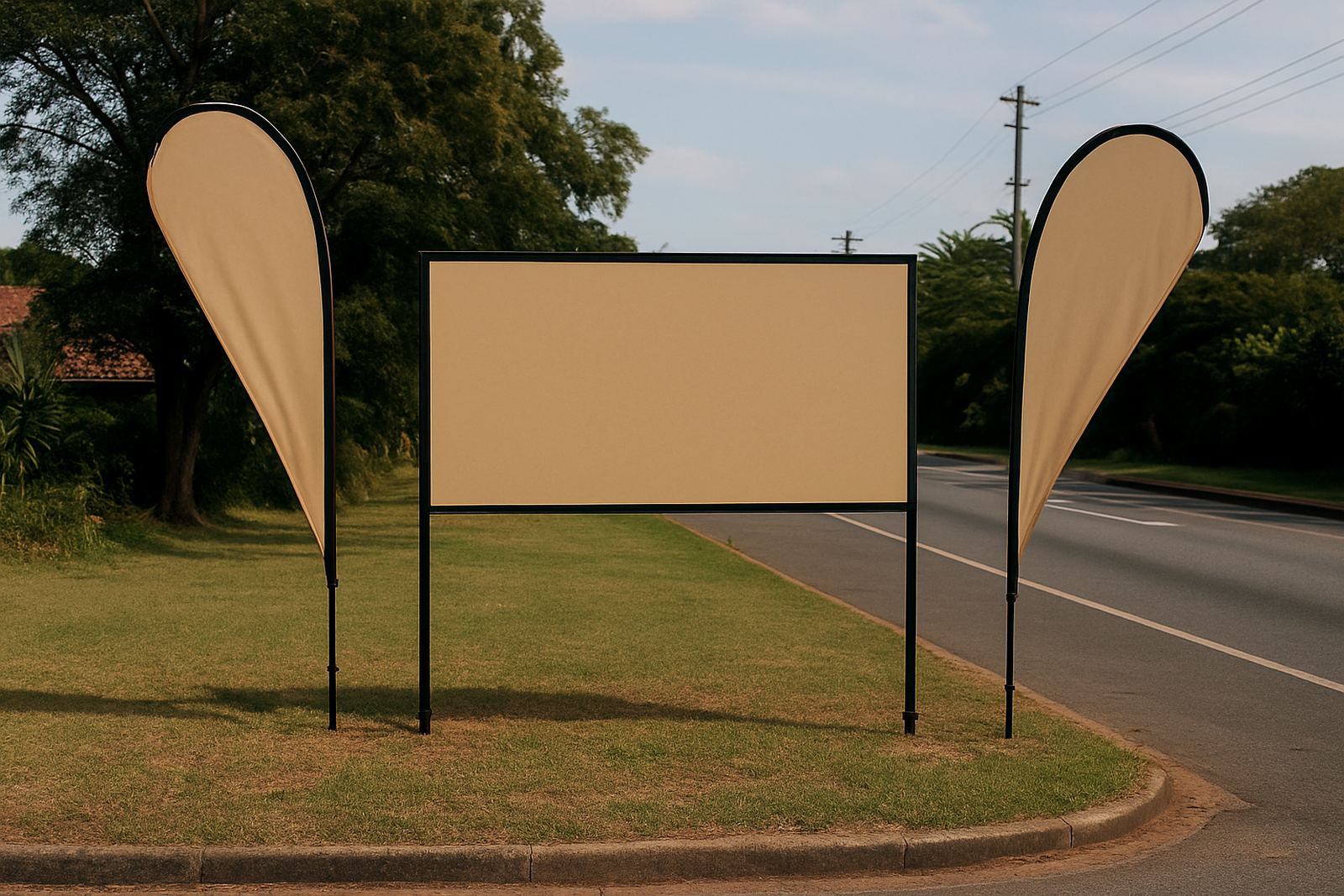
- Directional wayfinding signs
- Parking notices and access markers
- Room and facility identification signs
Fabrication, Artwork Setup And On-Site Installation
Once the survey was complete, our team prepared artwork layouts and checked the sign sizes against actual wall spans and viewing distances. Priya Govender handled the graphic setup, while Sashen Naidoo supervised production and material preparation. Bongani Patrick Zulu signed off the final direction with the team, and Anele Dlamini led the installation crew on site. This kept the work moving in a controlled sequence from layout to print to fitment.
The installation included fixing signs to exterior walls, aligning markers along walkways and placing parking signs where drivers would see them before turning. We also checked height, spacing and visibility from several approach points. That sounds simple, but in a busy hospitality site a few centimetres can change how well a sign reads from a car window or at night. The final fixings were selected for long term hold in humid conditions and regular use.
- Artwork setup and proofing
- Large format printing and vinyl cutting
- Sign fabrication and site fitment
- Final position checks for sightlines and access
Timeline From Survey To Handover
The project ran over 3 weeks from the first site survey to final handover. Week one covered assessment, measurements and sign placement planning. Week two was production, including print prep, fabrication and quality checking. Week three covered installation, minor adjustments and sign-off with the client. Because the site was active throughout, the work had to be staged and tidied each day before guests moved through the area.
That timeline worked well because the lodge did not need a long shutdown or major re-routing of guests. We kept communication direct through the enquiry process and used the confirmed site plan to avoid delays. By the end of the third week, the property had a clearer guest flow and a reception entrance that matched the rest of the branding better.
What Changed After The Signs Went Up
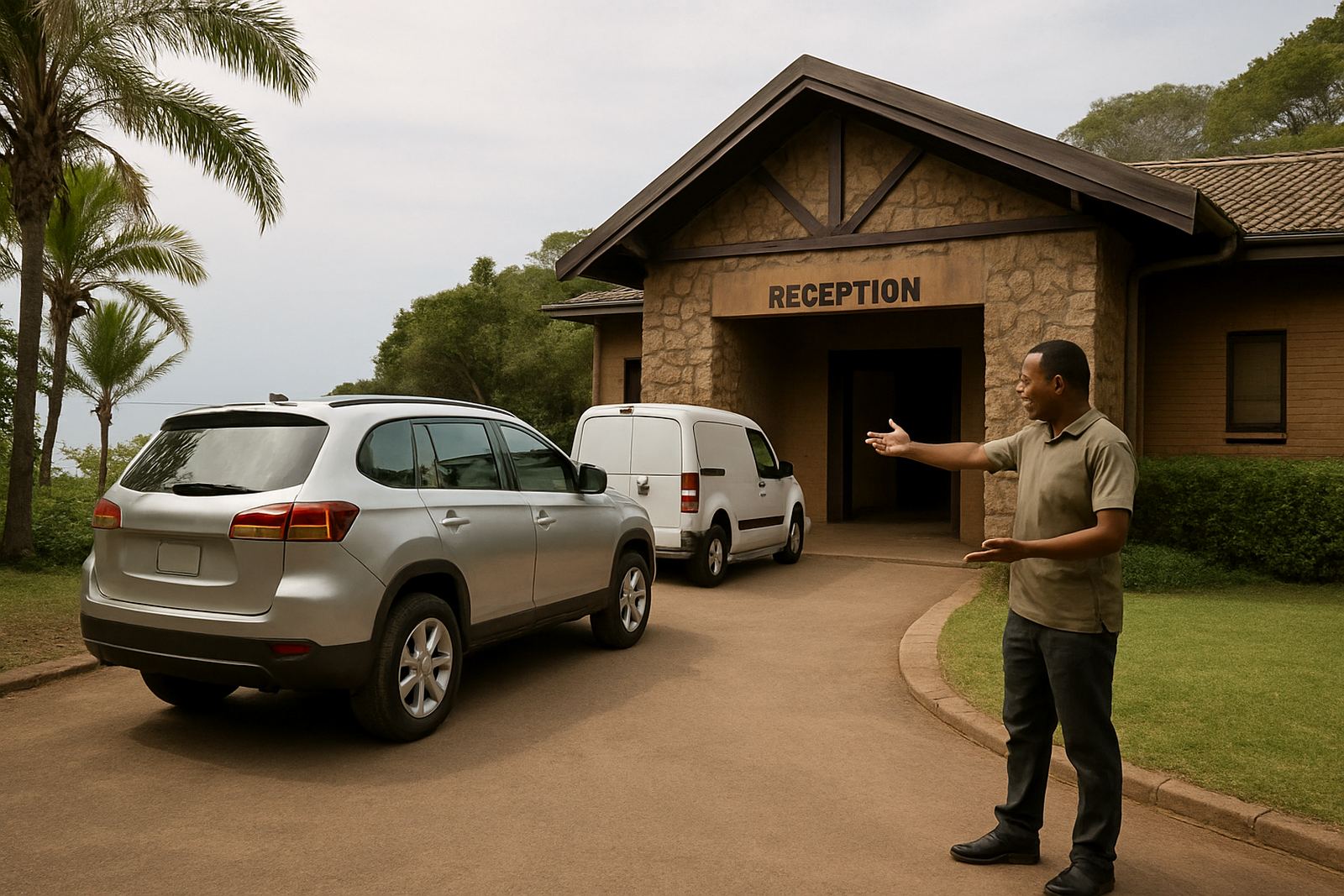
The main result was reduced confusion at arrival points. Guests could identify parking areas faster, find reception without stopping in the driveway and move through the site with less prompting from staff. That saved time at check-in and helped the front-of-house team focus on service instead of repeating directions. The reception frontage also looked more organised, which is important in hospitality because first impressions happen before the key is even handed over.
From our side, this was a good example of how practical signage can improve everyday movement without needing a full redesign of the property. The signs were simple, clearly placed and built for the local environment. If we were doing this project again, we would use the same staged installation method, keep the contrast high and allow extra time for a final walk-through at dusk to catch any visibility issues that only show up in lower light.
- Clearer arrivals and guest circulation
- Less staff time spent giving directions
- Reception frontage looked more professional
- Signs suited the coastal setting and daily cleaning
Key facts
| Project type | Hospitality wayfinding and reception branding |
|---|---|
| Location | Durban, eThekwini |
| Timeline | 3 weeks from survey to handover |
| Main products | Directional signs, parking notices, reception branding, room markers |
| Materials | Printed panels, vinyl graphics and fabricated sign components |
| Install method | On-site fixing with weather-suited fasteners and alignment checks |