Start With What Your Customer Sees First
Before you choose colours or materials, stand across the road and look at your frontage the way a passing motorist would. In Briardene, Umhlanga, Pinetown or along the North Coast, many customers only have a few seconds to notice your store, so your sign must work from a distance and at street speed.
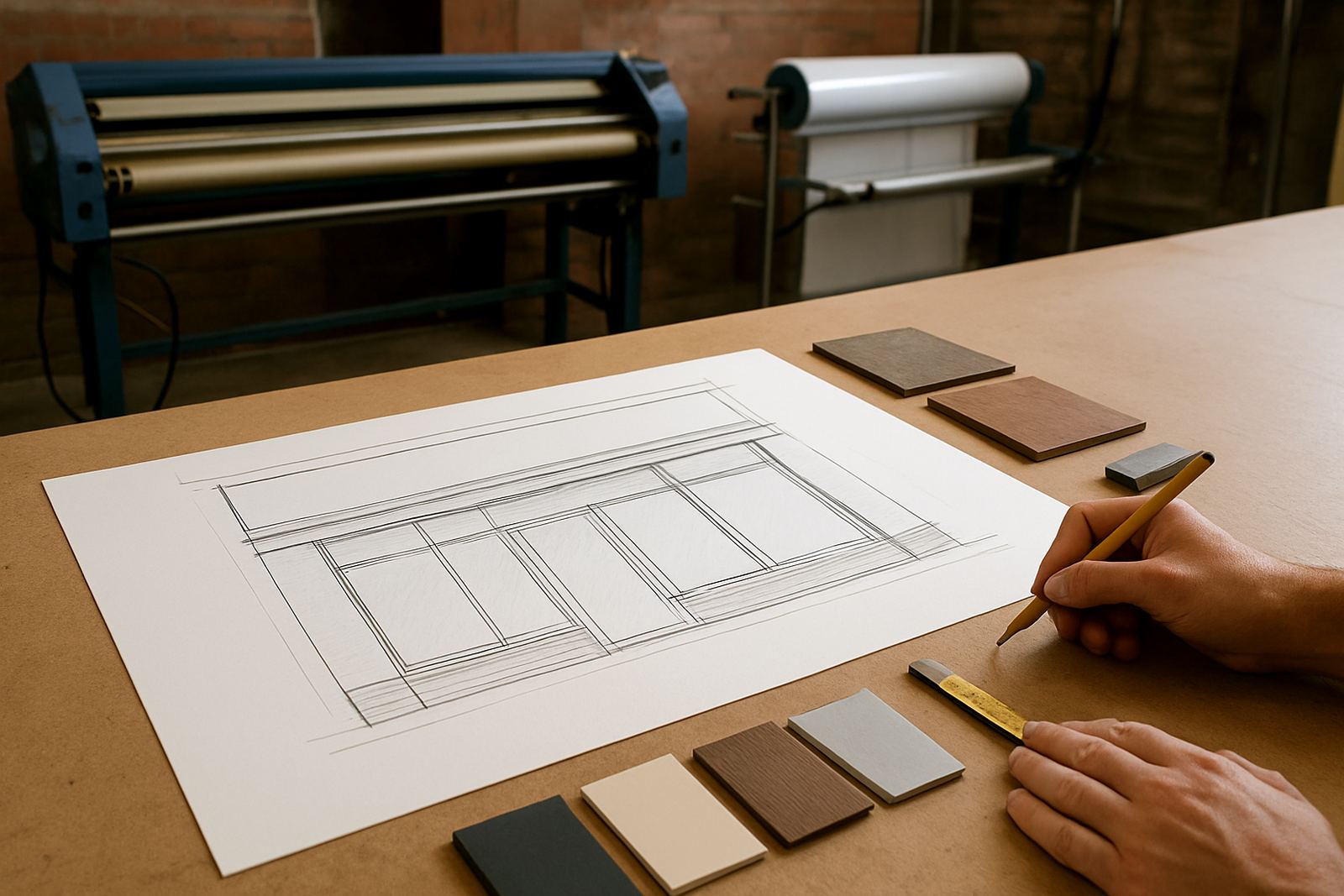
Begin with the building face, traffic direction, parking access and any trees, poles or balconies that block sight lines. A sign that looks fine at ground level can disappear once it is mounted above a roller shutter or behind a busy forecourt. At this stage, a site survey helps confirm where the main sign, side sign and window graphics should go, and whether the landlord or body corporate has size limits.
- Check viewing distance from both directions of traffic.
- Note any awnings, downpipes, lights or security grilles in the way.
- Measure the usable wall space in metres, not by eye.
- Confirm whether your frontage needs one main sign or a full sign package.
Choose The Right Sign Type For The Job
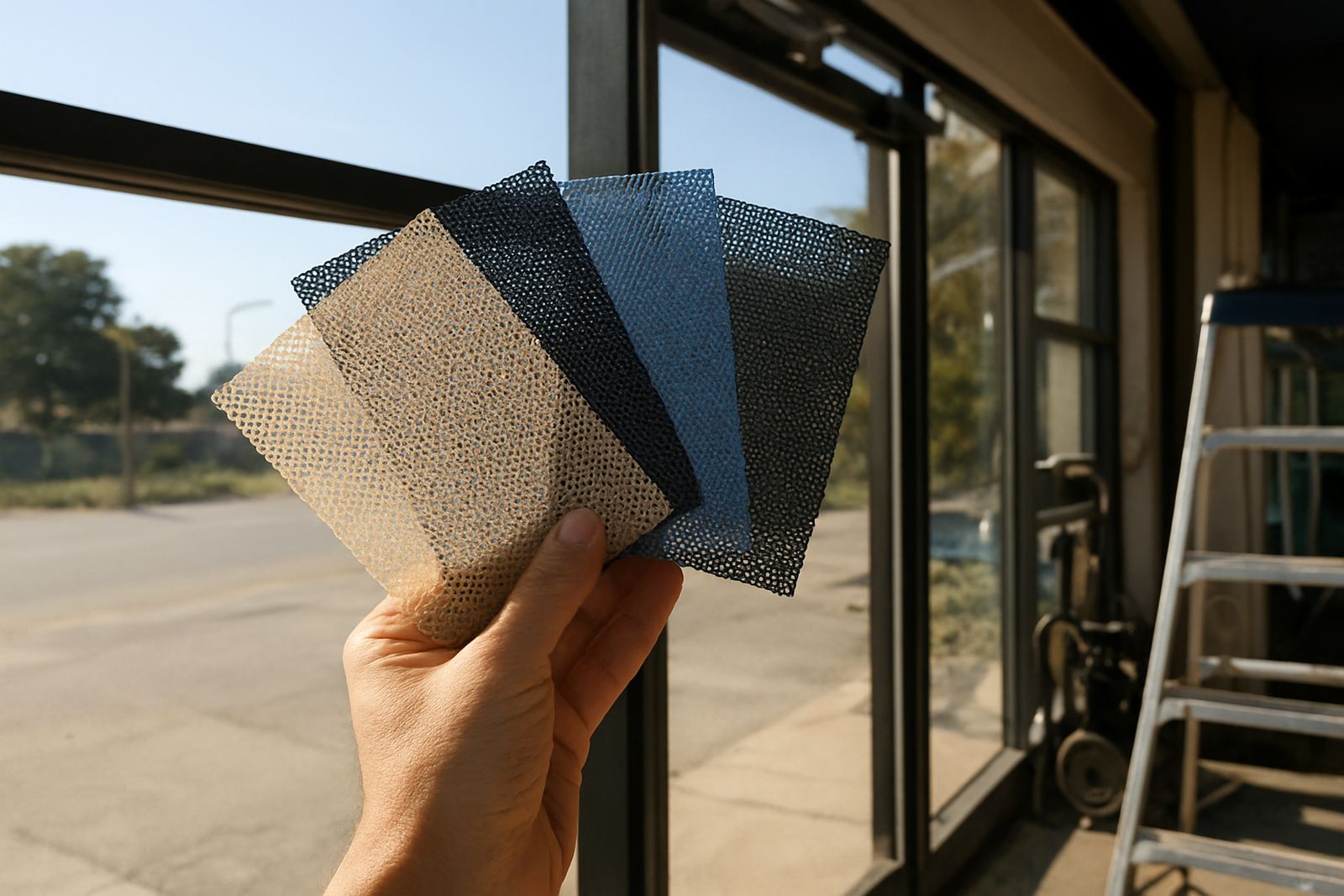
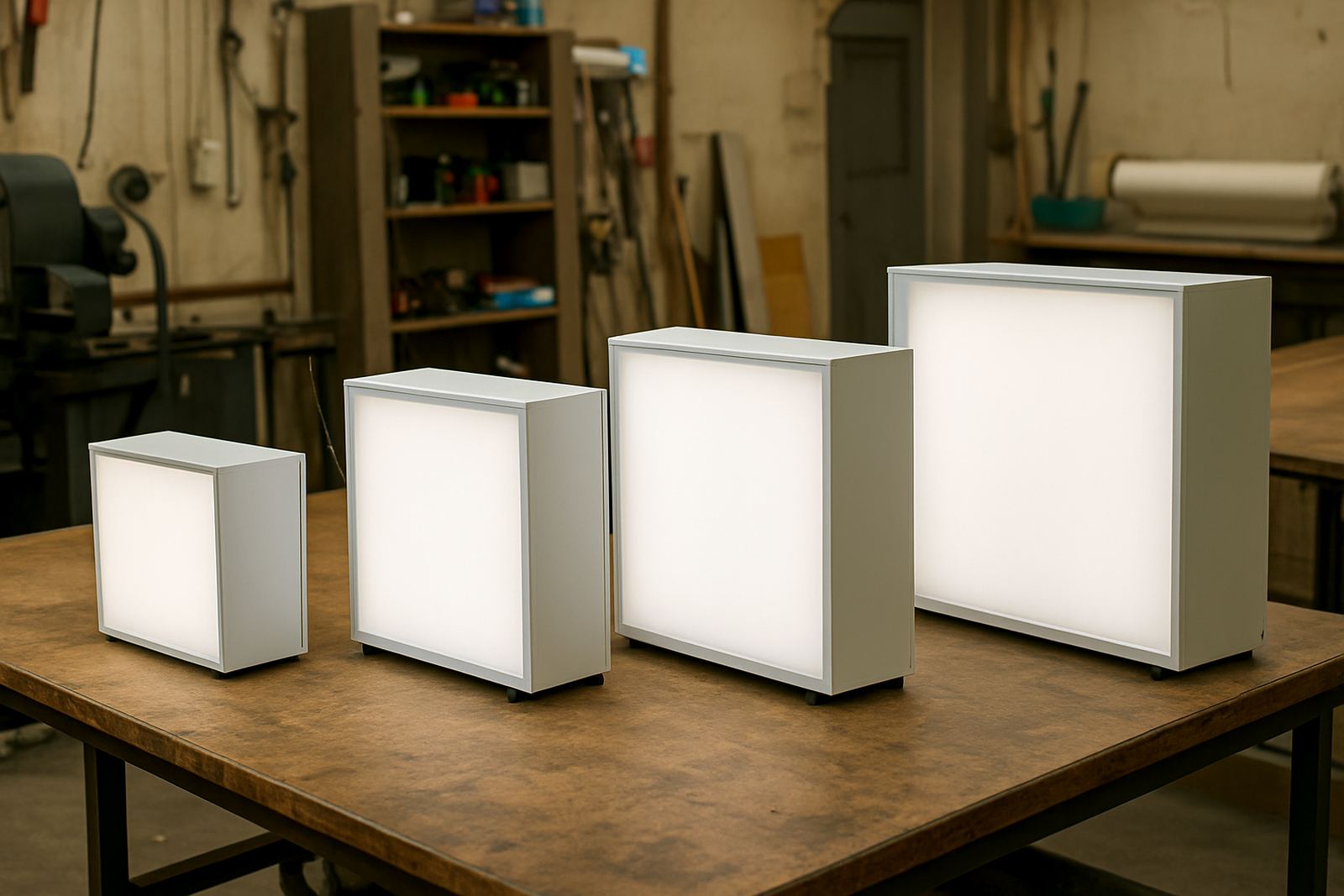
Different parts of a storefront need different materials. A fascia sign can carry the main name, while light boxes help after dark and window frosting gives privacy without shutting out light. If your premises are in a retail centre or along a busy road, you may need a mix of rigid signage and applied graphics to keep the frontage clear and balanced.
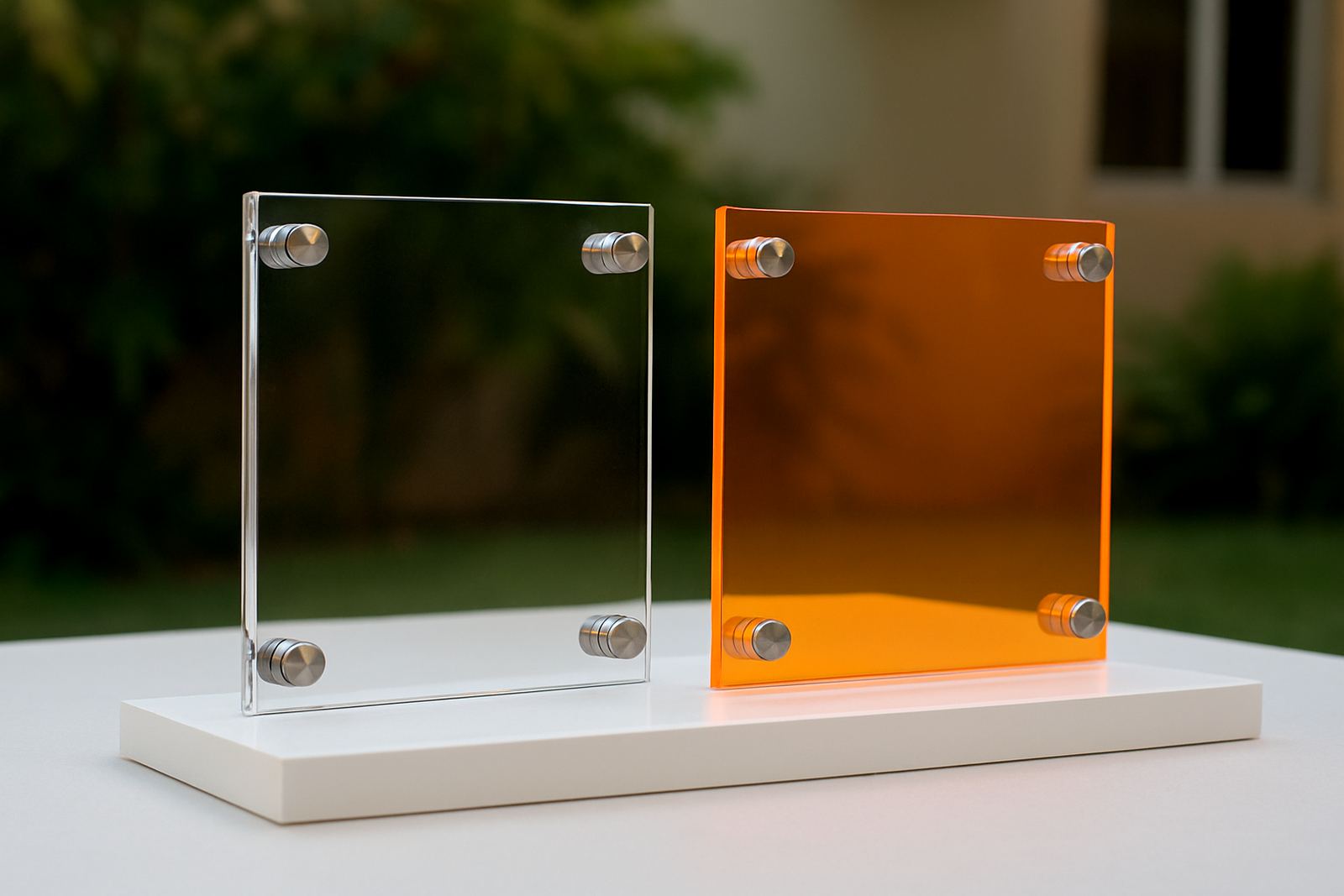
For outdoor use in Durban, weather resistance matters. Chromadek works well for flat panels and shopfront fascia signs. Perspex suits clean illuminated faces, while ABS is often used for shaped lettering and durable raised elements. Vinyl cutting is useful for crisp wording, trading hours and logos on glass or smooth panels. Digital printing is better when you need full colour images, promotions or a more detailed graphic finish.
- Chromadek: good for flat exterior panels and long service life.
- Perspex: suitable for illuminated faces and clean modern styling.
- ABS: useful for formed letters and shaped features.
- Vinyl and print: ideal for windows, promotions and applied branding.
Plan For Light, Power And Durban Weather
Shopfront signs in coastal KwaZulu-Natal take a fair beating from sun, moisture and salt in the air. If a sign is going above a doorway or under a canopy, think about corrosion, drainage and how water will run off the wall after heavy rain. Fixings should be suited to the substrate, whether that is masonry, cladding or aluminium framing.
Illuminated signs need extra planning. A light box should be positioned so it is visible after dark but not washed out by nearby street lights. With load-shedding, it also helps to think about whether your business still needs daytime visibility when power is off. Some clients choose non-illuminated fascia signs paired with reflective or high-contrast window graphics so the shop remains easy to identify even during outages.
Do not leave electrical routing until the end. If you want lighting, confirm the power point, cable route and access for maintenance before fabrication begins. That avoids ugly surface cabling later, which can spoil an otherwise neat frontage.
- Use weather-tolerant materials and fixings for coastal areas.
- Ask how the sign will be sealed against rain and dust.
- Plan cable routes before manufacturing starts.
- Consider visibility during load-shedding and early evening trading.
Get The Artwork Right Before Production Starts
A sign can only look as good as the artwork behind it. Keep the message short and readable. The business name, main service and contact route should do the heavy lifting, not a crowded block of text. If your shopfront has multiple panels or windows, the same style should carry through the whole frontage so customers recognise you at a glance.
Good artwork setup also prevents problems at fabrication stage. Text needs to be correctly sized, colours must suit the material, and logos should be supplied in a format that prints sharply. A proper proofing step catches spelling errors, alignment issues and line thickness problems before cutting or printing starts. That saves time and avoids redoing panels, which is costly on larger signs.
- Keep wording simple and easy to read from the street.
- Check spelling, spacing and contact details before sign-off.
- Use strong contrast between text and background.
- Make sure the design suits both daytime and night visibility.
Installation Access And Site Rules Matter
Even a well-made sign can cause trouble if the installation plan is poor. Shopfront work may need ladder access, scaffold, lift equipment or after-hours installation if the pavement is busy. In shopping centres, landlord rules can affect work times, waste removal and how long a lift or loading bay can be used. In some areas, municipal bylaws also affect sign size, projection and illumination.
Before installation day, clear the area and confirm who is responsible for access, keys, power shutdowns and opening up the site. If old signs are coming down first, factor in removal time and possible repairs to the wall or glazing. In coastal suburbs and industrial areas alike, a tidy install often comes down to planning the sequence properly, not rushing the team on site.
- Confirm access times with the landlord or centre management.
- Allow time for sign removals and wall repairs.
- Check whether parking or loading space is available for the crew.
- Make sure the frontage is clear of stock, displays and vehicles.
Build A Maintenance Plan That Protects Your Spend
Once the sign is up, it still needs attention. Dust, sea spray and UV can dull a finish over time, while vibration, wind and rain can loosen fixings. Window frosting may need cleaning, printed graphics may need replacement after promotion periods, and illuminated signs should be checked if a section goes dim. A small maintenance visit can prevent a larger repair later.
It is also worth planning for future changes. If you expect a tenant change, menu change or rebrand, ask how easy the sign is to refurbish or remove without damaging the frontage. Businesses in Durban North, Westville, Phoenix and Verulam often need practical sign systems that can be updated as trade changes, without rebuilding the whole facade.
At BP Signs in Briardene, Durban North, the team handles site surveys, artwork setup, large format printing, sign fabrication, shopfront installation, refurbishments, removals and maintenance visits across eThekwini, Umhlanga, Pinetown and the KZN North Coast. Bongani Patrick Zulu leads the business with the support of Nokuthula Mkhize, Sashen Naidoo, Anele Dlamini, Priya Govender and Lindokuhle Khumalo, giving clients one point of contact from first measure to final fit-off.
- Schedule periodic checks for loosened fixings and faded panels.
- Clean signs with suitable products, not harsh abrasives.
- Keep artwork files for future updates or replacements.
- Plan for refurbishment if your branding may change later.